
3 Minutes
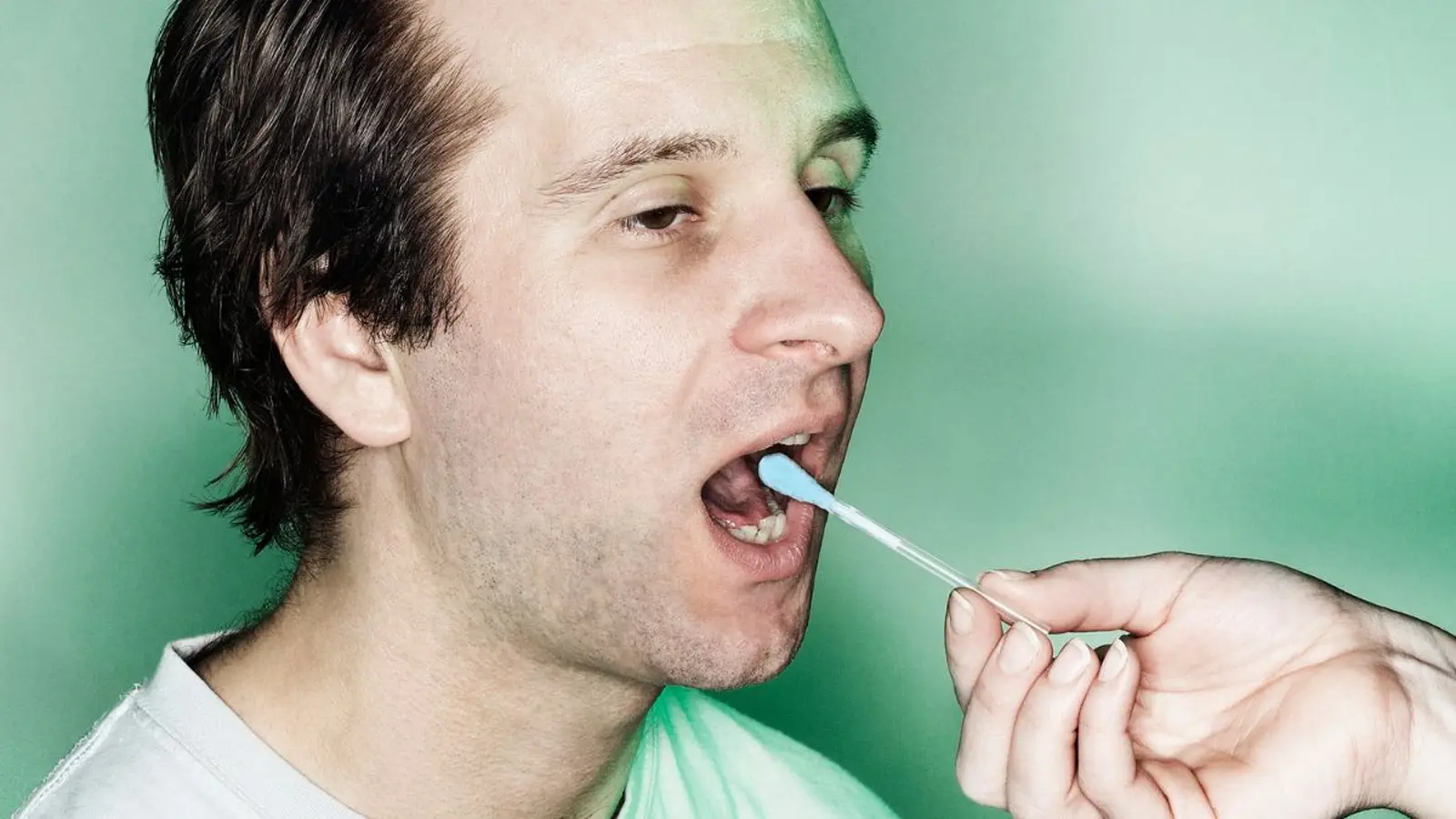
Picture this: a single, painless brush along the inside of the cheek, and an answer arrives within the hour. No scalpel. No stitch. No long wait for results.
Oral cancer is often overlooked until it’s advanced. Persistent sores, white or red patches on the tongue, gums or inner cheek—these can mean nothing, or they can mean everything. Traditionally, confirming which is which requires a biopsy: invasive, uncomfortable and sometimes repeated. Many patients skip follow-ups because they dread the procedure.
Now, an international team of researchers from the UK and India has tested a simpler path. Their tool is the quantitative Malignancy Index Diagnostic System, or qMIDS. Clinicians use a soft brush to collect surface cells from a suspicious spot, and a second swab from a healthy site serves as a control. The samples are then analyzed for the expression of four specific genes whose activity flags malignancy.
The study enrolled 545 people with potentially cancerous oral lesions. The outcome? The qMIDS test returned results in under an hour and correctly identified cancerous versus benign lesions about 95.5% of the time, with both false positives and false negatives under 5%—numbers the authors say rival small tissue biopsies.
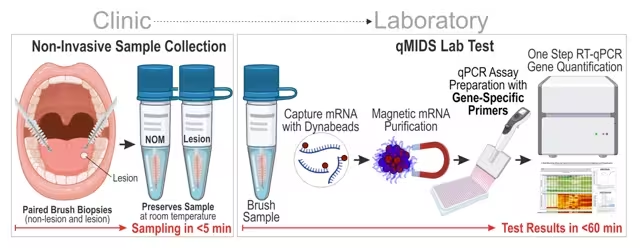
An overview of how the new qMIDS test works to detect oral cancer.
'We were genuinely astonished,' said lead clinical author Muy-Teck Teh, an oral oncologist. He and colleagues found that even the shallow, exfoliated cells collected by a brush carry a robust biological signal from those four genes—strong enough to distinguish malignant change without cutting into tissue.
Why does that matter beyond convenience? Because this test is repeatable. Low-risk patients can avoid unnecessary wounds; high-risk patients can be monitored regularly with a tool that’s cheap, quick and gentle. That repeated surveillance could catch malignant transformation at a much earlier, more treatable stage.
It also arrives at a worrying backdrop: global oral cancer cases and related deaths have more than doubled since 1990. Tobacco and alcohol remain leading culprits, but sugary drinks and human papillomavirus (HPV) infections are increasingly implicated. A bedside-friendly test could shift screening patterns, especially in clinics where access to surgical biopsy is limited.
The research team is moving toward commercialization and suggests the assay could become clinically available within roughly two years. The results were published in Biomarker Research in 2026, and if broader rollout follows, dentists and primary-care clinicians might soon offer a brush and a quick test instead of a scalpel and a wait.
Simple. Fast. Repeatable. The question now is whether health systems will adopt a technique that could quietly change how we catch oral cancer.











Leave a Comment
Comments
No comments yet. Be the first.