
4 Minutes
A tiny, naturally occurring mouse virus can create damage that looks eerily like Parkinson's — and the harm hangs around long after the infection is gone.
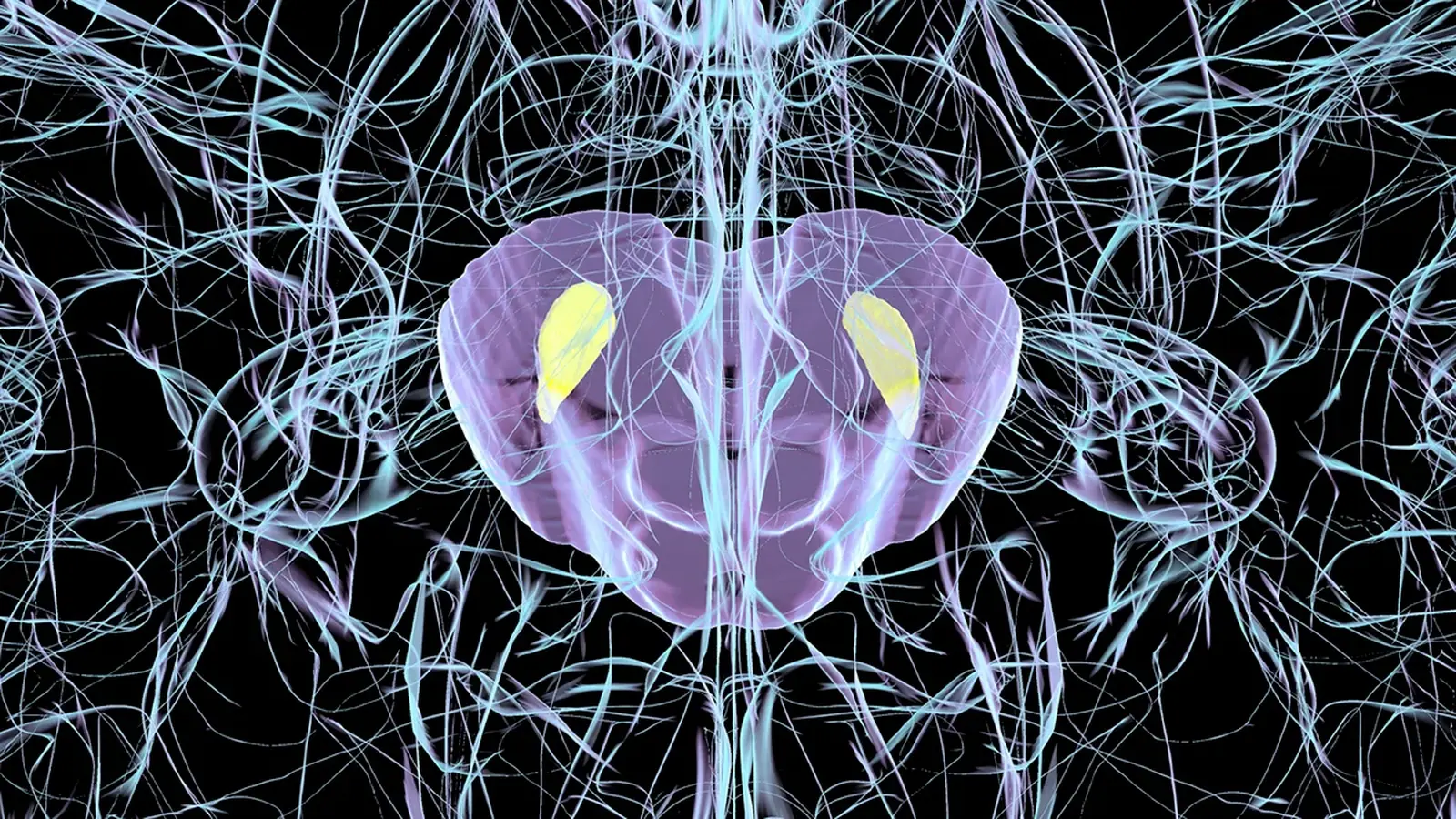
Researchers at Texas A&M used Theiler's murine encephalomyelitis virus, or TMEV, to probe a question that has nagged neurologists for decades: can a viral hit to the brain set the stage for chronic movement disorders? What they found was blunt and unsettling. The virus infected and destroyed dopamine-producing neurons in the substantia nigra, the same cell population whose loss underpins Parkinson's disease.
One week after injection, the team confirmed a local loss of dopaminergic neurons. Then they watched the mice for 20 weeks, running them through motor and gait tests designed to mimic the tremor, slowness, and coordination problems clinicians recognize in Parkinson's patients. The infected animals performed worse across multiple measures, including time to descend a pole and gait stability. And crucially, these deficits persisted after the virus itself had been cleared from the brain.

The mice in the study were put through a series of motor control tests.
Short-term infection. Long-term consequence. It sounds simple. It isn't. Neurodegeneration is messy, with genes, environment, and immune reactions all tugging at one another. But this model shows how a single pathogenic strike could deliver lasting collateral damage, leaving neural circuits impaired in ways that other risk factors might later exploit.
'This indicates that the motor coordination loss due to the effects of dopaminergic neuron loss is replicated by TMEV injection in our model, and these effects continue to be observed chronically following the initial injection of the virus,' the authors report in Brain, Behavior, and Immunity – Health. They suggest the approach could become a practical tool to unravel the complex etiology of Parkinson's disease.
Most mouse models today force dopaminergic decline through genetic tricks or by dousing the brain in toxic chemicals. Those methods are valuable for studying certain mechanisms. But they do not always mirror how disease begins in people. Not everyone exposed to environmental toxins develops Parkinson's. Genetics and immune history matter. Viruses, it seems, could be another missing piece.

Across multiple measures, including the time taken to descend a pole, the mice with the viral infection performed worse.
Think of the brain like a delicate clockwork. One cog chips away, and timekeeping falters. Could a viral nick in early life accelerate wear and tear enough that aging or other insults tip the system into clinical disease? The new TMEV model doesn't answer that entire question, but it offers a cleaner way to study a virus-initiated trajectory: infection, neuron loss, persistent motor impairment.
There are important caveats. TMEV is a mouse virus; people cannot catch it. The study does not prove that human viral infections cause Parkinson's. What it does provide is experimental evidence that viral damage to the substantia nigra can outlast the infection and produce Parkinson's-like motor deficits in a living brain.
'Viruses are known to cause entirely different diseases based on a person's genetics,' notes geneticist Candice Brinkmeyer-Langford. Epstein-Barr virus can trigger mononucleosis in one person and contribute to autoimmune disease or cancer in another. SARS-CoV-2 targeted lungs in most patients but harmed hearts and brains in some. The implication is clear: pathogens can leave varied and durable footprints depending on host biology.
This TMEV mouse model offers a new, biologically plausible route to study how infections might prime the brain for long-term neurodegeneration.
Why should the public care? Parkinson's affects more than 10 million people worldwide and is rising as populations age. If infections can create a vulnerability that other factors later exploit, then prevention, surveillance, and treatment strategies may need broadening beyond genetics and toxin exposure to include infectious and immune history.
The study is not a verdict on human disease. But it opens a door. Follow the trail inside that door and we might finally learn how some cases of Parkinson's begin — and, eventually, how to stop them before movement is lost.


Leave a Comment
Comments (2)
Hmm is this even true? TMEV only infects mice, so how far can we stretch conclusions to humans. Useful model, but cautious on headlines.
wow didn't expect a mouse virus to mimic Parkinsons so closely... scary that damage lingers after clearance. curious how immune genetics shape this