
3 Minutes
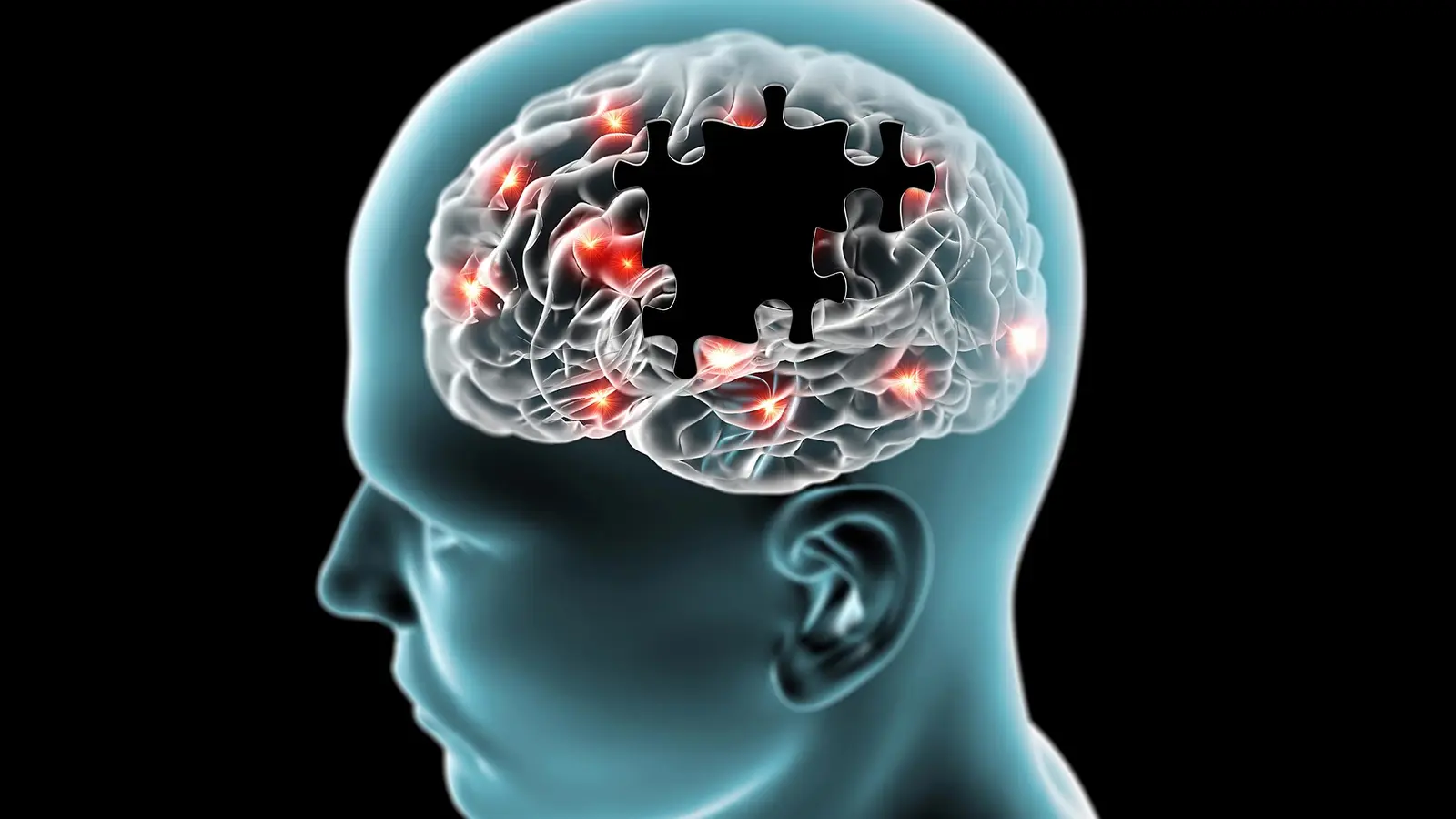
Think Alzheimer’s always starts with forgetting names and places? That’s the story we tell. New work from Texas A&M Health complicates the picture.
In a series of experiments on 5xFAD mice—animals bred to develop the same amyloid-beta plaques seen in human Alzheimer’s—researchers found a surprising early sign: an impaired ability to change strategies when the rules change. Simple, everyday flexibility. Not memory. Not yet.
Researchers trained the mice on a reversal learning task. First, one behavior earned a reward. Then the rule flipped. Young, healthy animals updated their choices. The Alzheimer’s-model mice did not. They kept returning to the old move, even after it stopped paying off. At the same time, the same animals showed normal performance on spatial memory tests. Two abilities. Two different trajectories.
Jun Wang, a neuroscientist at Texas A&M, summarizes it plainly: this kind of executive function faltered before spatial memory declined. Executive function is the brain’s traffic cop—planning, switching gears, stopping an automatic response and trying something new. When it starts to wobble, people don’t necessarily forget facts; they get stuck. Routines harden. Adapting becomes costly.

Why does this happen? The team traced the problem to a hyperactive neural highway connecting the medial prefrontal cortex and the striatum—two regions central to flexible, goal-directed behavior. In the Alzheimer’s models, that pathway ran hot. At the same time, cholinergic interneurons—cells that normally help tone down and coordinate learning—were quieter than expected. The imbalance resembles a motor left on full blast while the brakes fail.
There’s an ugly feedback loop built into that imbalance. Overactive neurons can drive more amyloid-beta production. Amyloid-beta in turn makes neurons more excitable. The more excitable they become, the more amyloid-beta accumulates. A runaway cycle emerges. Wang calls it a chicken-and-egg problem: which comes first, the firing or the plaques? The experimenters tried turning the volume down on that overactive pathway to see what would happen.
The intervention was precise. Think of it as dimming a light rather than cutting electricity. Quieting the prefrontal–striatal circuit improved the mice’s flexibility. They learned the new rule more quickly, and their brain activity shifted toward a healthier pattern. Amyloid-beta buildup fell. Critically, the gains persisted beyond the period of intervention—suggesting the circuit had been nudged back toward balance rather than merely silenced.
All of that raises a tempting possibility: what if a drop in cognitive flexibility could serve as an early alarm for Alzheimer’s risk? Tests that probe adaptability—how well someone learns a new rule or changes a habit—might reveal dysfunction before conventional memory assessments do. They wouldn’t replace scans or biomarkers, but they could add another layer to early detection, a behavioral bell that rings sooner.
Caveats are essential. These results come from mouse models. Human brains are more complex, and people’s lives are messier than laboratory cages. Still, the study nudges scientists to broaden their view: memory loss is not the whole story. Changes in judgment, planning, and the ease of switching tasks may be the first tremors of disease.
If future studies in people echo these findings, clinicians could gain a new window for intervention—an opportunity to act while neurons are still savable. For now, the research points to an intriguing target: calm the overactive circuits, and you might slow a process that otherwise accelerates out of control.
It’s a small shift in perspective, but one that could change how we listen for the earliest signs of Alzheimer’s.

Leave a Comment
Comments
No comments yet. Be the first.