
4 Minutes
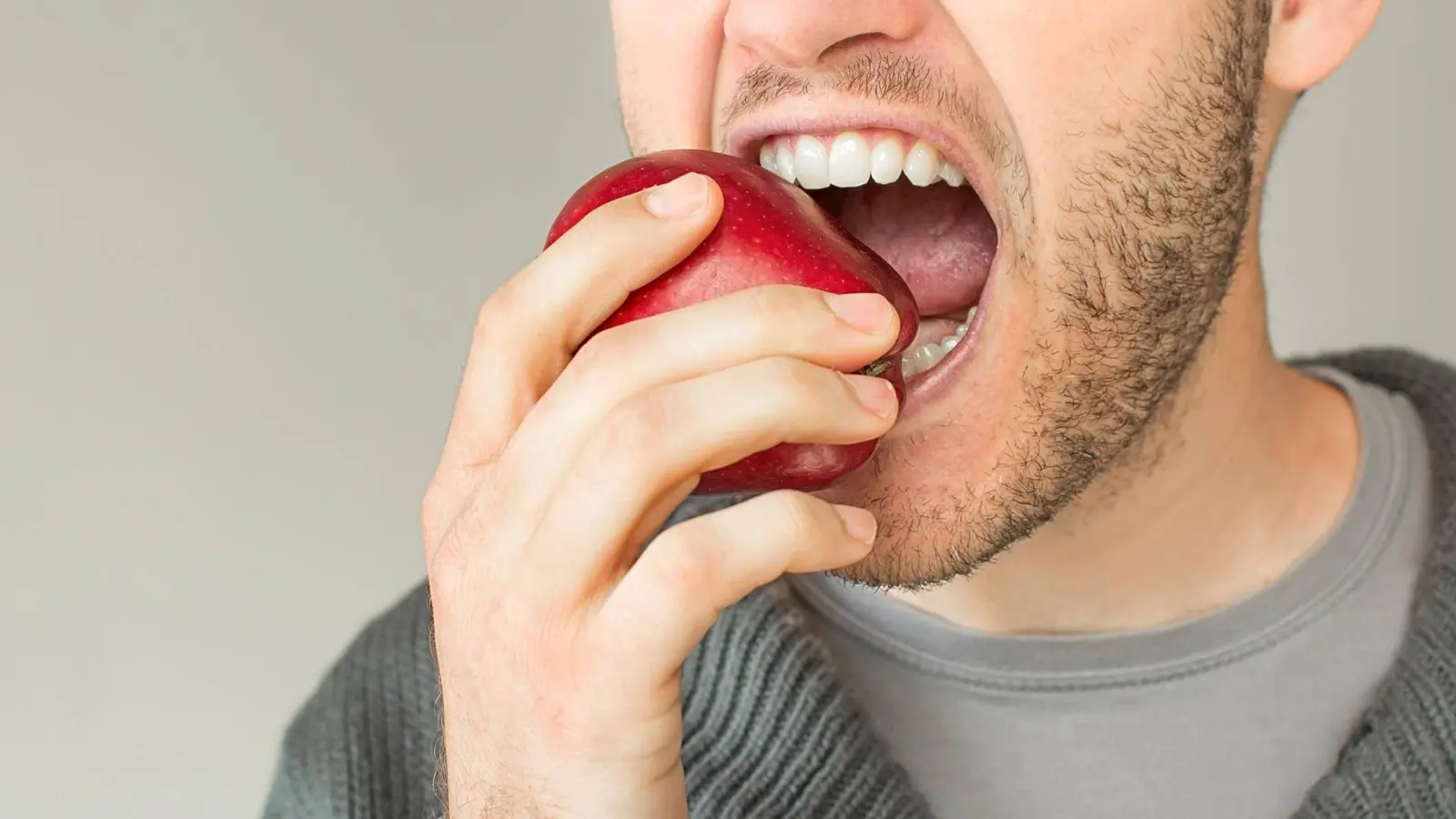
Horace Fletcher once chewed a scallion 722 times before swallowing. He believed food should be almost liquid before it slid down the throat. Ridiculous? Maybe. But his obsession points to a deeper truth: chewing is more than mechanical—it's biological choreography.
Scientists have begun to listen to that choreography. They find that the simple act of breaking food into smaller pieces initiates a cascade of signals that affect digestion, appetite and even brain function. Chewing increases saliva and digestive enzymes, primes the gut and pancreas, and makes nutrients more accessible. It also buys the body time to register fullness. The result can be better absorption, greater satiety and fewer calories consumed without deliberate dieting.

How does that work in practice? In one experiment volunteers chewed small amounts of almonds 10, 25 or 40 times. Those who chewed longer excreted less fat, implying up to a one-third gain in usable energy from the same nuts. In another study, participants who chewed a bite of pizza 40 times reported reduced hunger and showed hormonal changes: higher levels of CCK and GIP, which help digestion, and lower ghrelin, the hormone that stimulates appetite.
Why chew slowly if your goal is weight control? Because hormones need time. The brain waits roughly 20 minutes to receive messages of fullness. Fast gulping doesn’t give that window. Slow chewing stretches the moment, nudging appetite signals to arrive before you’ve overfilled your plate. No magic number of chews will save you—experts say chew until it feels ready to swallow—but texture matters: whole fruits and grains force more chewing than smoothies and thus help register satiety earlier.
Beyond digestion lies a more surprising connection: chewing and cognition. Epidemiological studies tracking tens of thousands of adults over years show a link between dental health, chewing ability and performance on memory and language tests. Older adults who keep more of their natural teeth, or who can chew well, tend to do better on cognitive assessments than those who struggle with chewing. Is it correlation or causation? Researchers are now running interventions replacing missing teeth with implants to see whether restoring chewing can actually improve thinking—and whether MRI scans will show changes in white-matter lesions associated with vascular health.


There are plausible mechanisms. The jaw is wired to regions of the brain involved in attention and memory, notably the hippocampus. Chewing also appears to boost cerebral blood flow in some studies. Imagine your jaw as a tiny pump: rhythmic chewing increases circulation to brain regions that benefit from oxygen and nutrient delivery. Chew a piece of gum and your alertness might rise by about 10 percent during a task, according to multiple small trials. The effect is modest and often short-lived—fading after 15–20 minutes—but consistent enough to suggest a real physiological link.
Chewing can also mellow you. In stressful moments people often chew unconsciously. Trials show that regular gum chewing can reduce self-reported stress and lower salivary cortisol in certain settings. Nurses preparing for exams and patients facing elective surgery sometimes report less anxiety when they chew. The evidence is mixed—studies differ in design, and some find no benefit—but it is hard to deny that the texture, flavor and ritual of chewing influence mood.

None of this makes Fletcherism a prescription. Most researchers reject the idea of a universal, mystical chew-count. Instead they emphasize mindful eating: slow down, savor the texture, and let digestive and satiety signals do their job. Evolutionary biology offers context. Our early ancestors evolved large jaws and big teeth to process tough seeds and nuts. As cooking, tools and agriculture softened diets, our chewing time fell dramatically; chimpanzees spend several hours a day chewing, while modern humans average under an hour. Yet the ancient neural links between mouth and brain remain.
There are practical takeaways. Favor foods that require more chewing—whole fruit, nuts, fibrous vegetables and whole grains—over pureed or highly processed options. If you want to curb appetite, make mealtimes slower. If you’re curious about cognitive benefits, maintain good oral health: losing teeth appears to correlate with cognitive decline, and restoring function is an active area of clinical research.
Chewing is ordinary. But ordinary things can be powerful when you look closely. Sometimes the smallest rhythms—bit by bit, chew by chew—shape how we digest, how we feel and perhaps even how our minds age.

Leave a Comment
Comments (2)
Saw this in real life, my aunt got implants and started eating slower. She said she felt less hungry and sharper, weird but maybe real. short followup needed tho
Hmm is this even true? Chew 40 times and absorb more fat from almonds... feels fishy, could be study quirks, sample size? Also 20 min satiety rule sounds neat but maybe ppl vary.