
4 Minutes
Mike G. reimagines the 2CV as a premium retro-modern EV
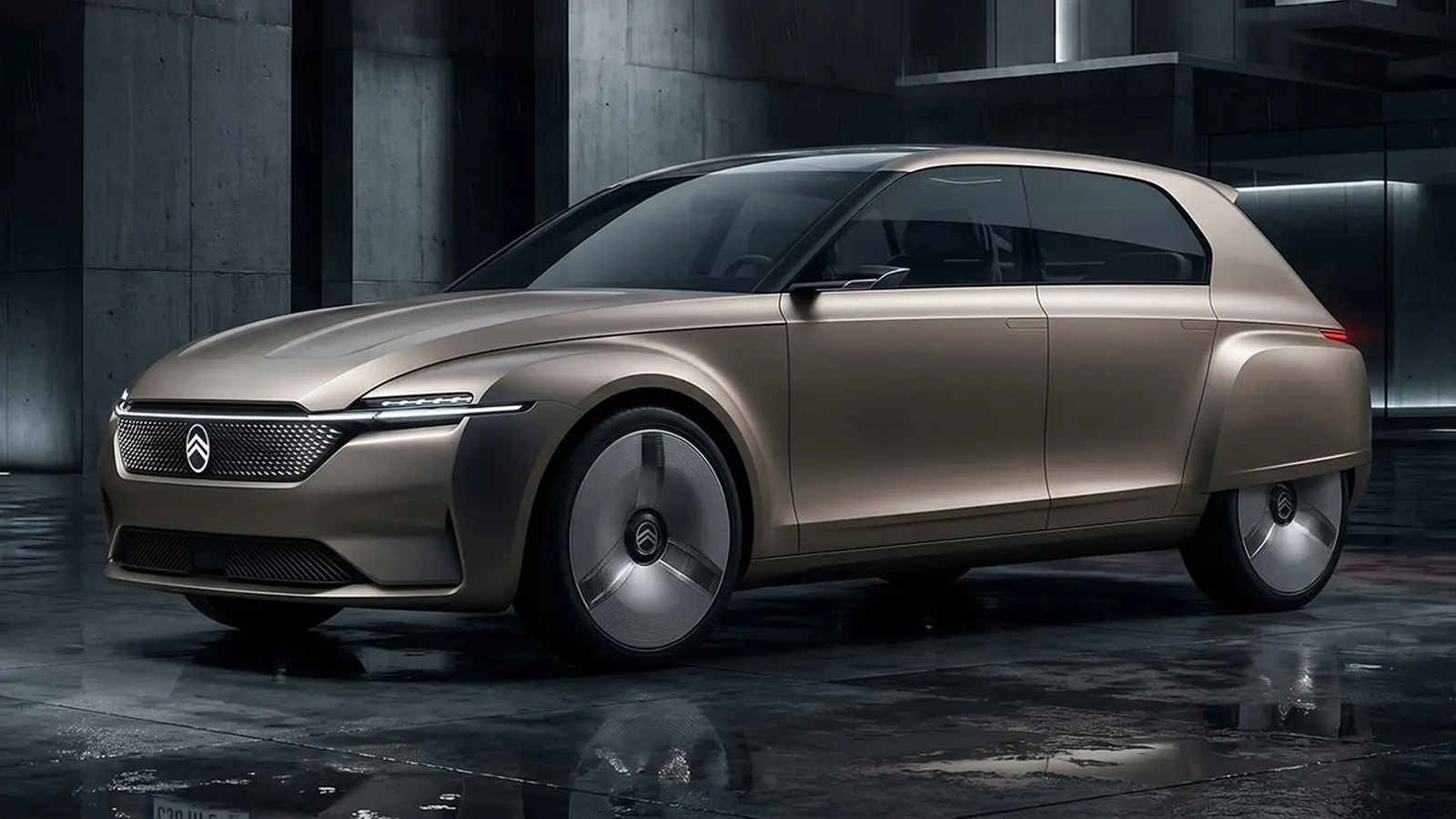
Mike G., the creative force behind mike.g.concepts, has released fresh renderings that rework the iconic Citroen 2CV into a retro-modern, slightly upscale interpretation — a vision that deliberately moves away from the original car’s ultra-affordable spirit. While Stellantis publicly explores an all-electric revival of the 2CV aimed at democratizing city mobility, these CGI designs choose elegance and contemporary details over strict cost-led simplicity.
A brief history: why the 2CV matters
The Citroen 2CV (from the French "deux chevaux", or two taxable horsepower) debuted at the 1948 Paris Motor Show and remained in production until 1990. Built as a practical, low-cost car for farmers and families, its air-cooled engine, minimalist engineering and unmistakable styling turned it into a symbol of post-war French mobility. Today, that cultural cachet is exactly why automakers repeatedly mine heritage models for fresh, retro-modern reinterpretations — think Ford Bronco, Toyota Land Cruiser 250 and the Renault 5 E-Tech revival.

Stellantis has signaled plans to present an electric interpretation of the 2CV at the Paris Motor Show in October 2026, promising a simple, accessible EV that echoes the original’s focus on affordable mobility. That direction aligns with Stellantis’ stated goal of expanding mass-market electric vehicles across its brands.
How Mike G.’s concept differs
Rather than delivering a stripped-back, budget-focused EV, Mike G.’s renderings flirt with premium cues. The concept keeps the core, charming proportions of the vintage 2CV/Dyane family but wraps them in modern surfaces and upscale details. The result is neither a faithful recreation nor a purely practical city car — it’s a design exercise that imagines how Citroen’s heritage could be translated into a refined, boutique offering.

Highlights of the render include:

- Sleek LED lighting and reinterpreted grille treatments that nod to the original while looking contemporary.
- Camera mirrors and flush, hidden door handles for a cleaner profile.
- A restrained, premium interior with higher-quality materials and a pared-back layout that emphasizes simplicity and comfort.
- A hatchback silhouette closer to the Dyane than the original two-door 2CV, marrying utility with poise.
Dyane revival: an alternative route
Mike G. suggests it might be time to consider a comeback for the Citroen Dyane — the 1967–1983 sibling of the 2CV that featured a more modern shape and a practical rear hatch. In these renderings the new-age Dyane would enter the market not as a budget crossover but as a sleeker, more elegant competitor to cars like the Renault 4 E-Tech. Instead of leaning on crossover cues, this interpretation opts for premium simplicity.

Market positioning and strategic choices for Stellantis
There are clear strategic choices for Stellantis if it wants to exploit Citroen’s heritage:
- Democratized 2CV EV: a low-cost, compact electric city car positioned against the Renault 5 E-Tech and the upcoming Ford Fiesta EV. Prioritize affordability, simple tech and a modest battery pack for urban range.
- Premium Dyane-inspired model: a slightly larger, better-equipped model that offers more comfort, refined materials and distinctive design to target buyers seeking style over bargain pricing.
Both avenues can work within a modern brand strategy: the 2CV nameplate can attract budget-focused urban buyers, while a Dyane revival could pull in buyers who want retro charm with modern refinement.

Speculation, not promises
Mike G.’s images are unofficial concept work, not Stellantis releases. They don’t include confirmed powertrain or battery figures, but they do illustrate how heritage design cues — proportion, roof form and character lines — can be married to contemporary EV details such as camera mirrors, LED signatures and higher-grade interiors.
Conclusion — should Stellantis split the strategy?
There’s a compelling argument for Stellantis to pursue both directions: a pragmatic, lightweight 2CV EV that honors the original’s mission of accessible mobility, and a Dyane-inspired premium variant that leverages nostalgia to create margin and desirability. In the crowded small-EV market, clear segmentation could give Citroen breadth — from affordable city transport to a fashionable, retro-modern alternative competing with Renault’s E-Tech revivals.
What do you think: should Citroen keep the 2CV strictly affordable, or embrace a two-pronged revival that includes a more sophisticated Dyane-style model? The Paris Motor Show in October 2026 might start to answer that question.

Leave a Comment
Comments (2)
Feels overhyped tbh. A premium 2CV robs the charm, but a Dyane with nicer trim could actually sell. Don't kill the affordable option tho, Stellantis.
Wow, didn't expect the 2CV to get glammed up like this. Kinda beautiful, kinda sad. If it goes premium it loses the whole point imo. A Dyane luxe tho? could work.