
3 Minutes
Imagine the thin, discarded rind of a pumpkin becoming the guardian of your cherry tomatoes. It sounds like a kitchen trick. But researchers at Kyushu University have turned that very waste into a slim, functional film that could replace some petroleum-based food packaging.
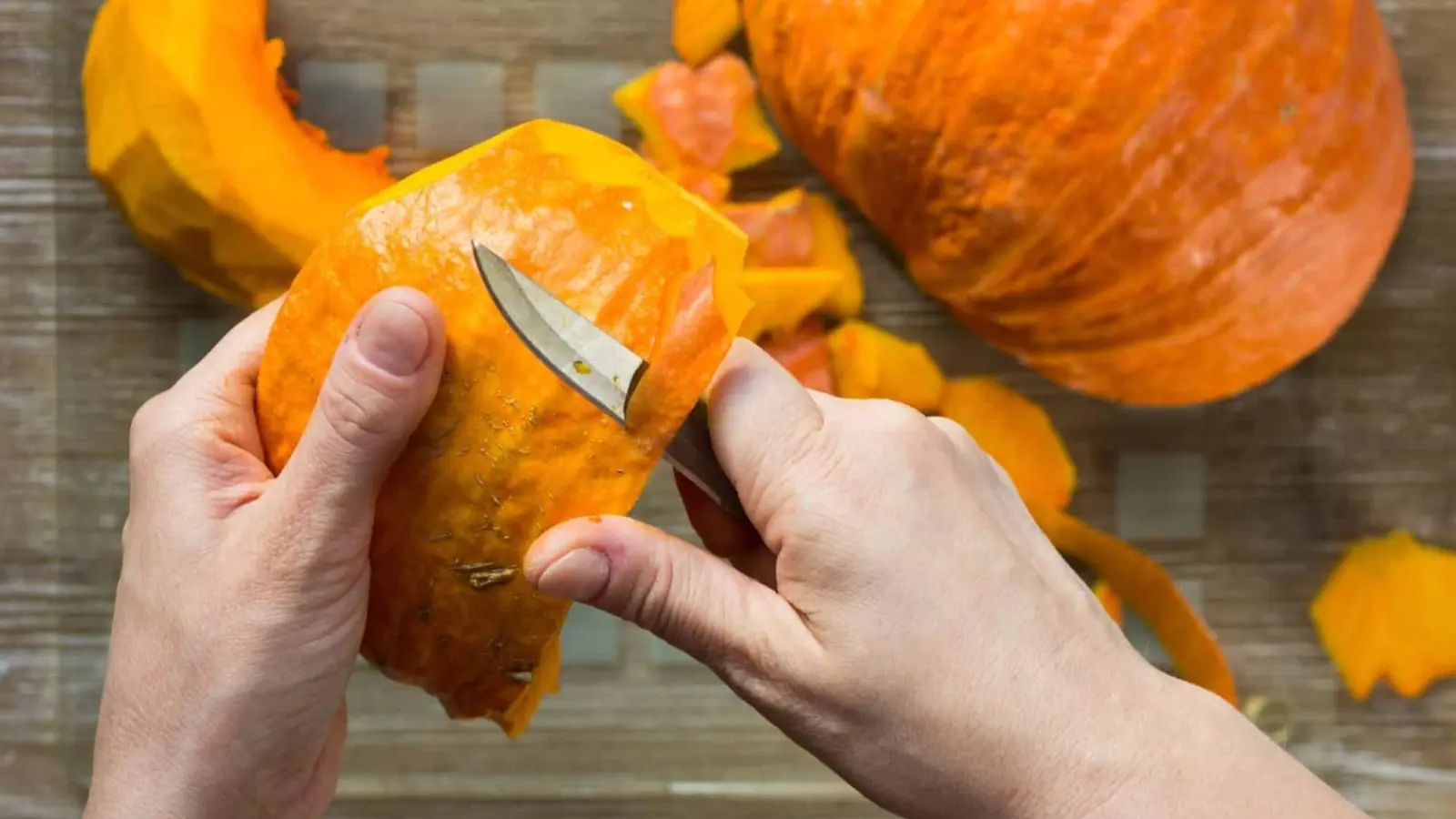
The idea is elegantly simple: take pumpkin skin—usually thrown away and accounting for roughly 10–12% of the fruit’s weight—process it into carbon quantum dots (CQDs), and combine those tiny, black particles with plant fibers and gelatin to cast a protective film. The CQDs form under high heat and pressure, followed by freeze-drying, and they bring several unexpected benefits to a packaging layer no thicker than a sheet of paper.
Why does this matter? Modern plastic wraps and trays do an excellent job sealing in moisture, but they come with a heavy environmental bill. This pumpkin-derived film targets a different set of problems: it blocks harmful ultraviolet light, slows microbial growth, and helps preserve antioxidants within the food—three factors that shorten shelf life and degrade nutritional value. In head-to-head tests using cherry tomatoes, the pumpkin-film outperformed standard plastic and no packaging across those three measures after 20 days of storage.
There’s a trade-off. Plastic still wins on moisture retention. But the pumpkin material’s environmental profile and safety make it compelling. The team stresses that at the concentrations used the CQD film is non-toxic, and because the active particles are organic rather than metallic, the environmental footprint is far smaller than coatings that rely on zinc oxide or silver nanoparticles. Another practical upside: the coating can be sprayed, so producers could apply it selectively to vulnerable spots on fruit and vegetables rather than wrapping the whole item.

Sprayable, plant-based, and capable of blocking UV light, this pumpkin-peel film curbs microbes and preserves antioxidants without resorting to metal nanomaterials.
There’s also a surprising aesthetic angle. Carbon quantum dots glow under ultraviolet light, and the color shifts with particle size. That optical behavior opens the door to printed marks or freshness indicators embedded in the packaging—imagine a faint luminescent label revealing if the coating remains intact or how long produce has been stored.
Dr. Fumihiko Tanaka of Kyushu’s food science group frames the work in practical terms: their lab has long aimed to extend agricultural shelf life while cutting reliance on petroleum plastics. This pumpkin-derived film, he says, is an important step along that path.
Still, the technology is early. The study—published in Food Research International—reports promising lab-scale results, not supermarket-ready solutions. Key hurdles remain: scaling production, improving moisture barrier properties, and running comprehensive safety and shelf-life trials across a wider range of foods. Even so, the potential is notable. Between 40% and 50% of harvested fruits and vegetables never reach consumers each year, and peels like pumpkin’s account for a large slice of food waste. Turning that biomass into packaging kills two birds with one stone: lowering plastic pollution and valorizing agricultural leftovers.
It’s easy to picture a future where packaging is less anonymous. Instead of inert plastic, coatings made from food waste could carry visible cues, glow under a black light, or be sprayed exactly where protection is needed—reducing waste, lowering chemical loads, and maybe even making produce look a little more futuristic on the shelf.


Leave a Comment
Comments
No comments yet. Be the first.