

5 Minutes
Simple dietary tweak cuts a hidden heart risk marker
A new six-month trial from Penn State suggests that adding a single avocado to your daily diet can produce measurable improvements in a blood marker linked to cardiovascular disease. The Habitual Diet and Avocado Trial examined almost 800 adults with abdominal obesity and found that those who ate one avocado per day had fewer low-density lipoprotein (LDL) particles circulating in their blood — the kind of particles most closely associated with plaque formation and heart risk.
This is not about weight loss. Participants kept their usual diets and activity levels, yet the avocado group saw a decline in LDL particle concentration equivalent to roughly a 4% reduction in estimated heart disease risk, according to results published in the Journal of Clinical Lipidology.
Why LDL particle count matters — beyond "bad cholesterol"
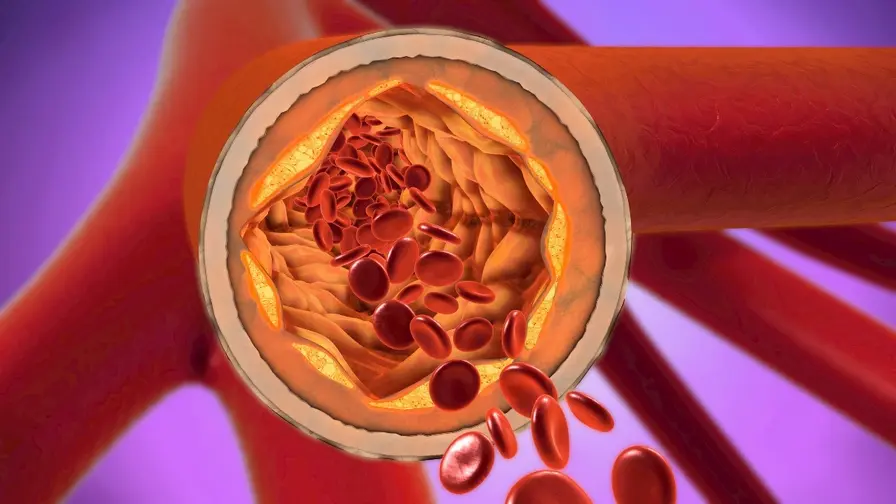
Most people know LDL as "bad cholesterol," but that single lab value doesn’t tell the whole story. Cholesterol travels tucked inside protein carriers; the number of LDL-carrying particles can differ even when LDL cholesterol levels look the same. More particles — particularly smaller particles — are better able to slip into artery walls and seed plaque.

Penn State researchers explain the difference with a simple analogy: two drivers carrying the same cargo, but one uses a few large trucks while the other uses many small vans. The many-vans scenario delivers the same weight but creates more traffic and places more strain on the roads. In medical terms, that extra particle count is the added cardiovascular risk.
The trial at a glance
- Participants: 786 adults, aged 25 and up, with waist measurements indicating abdominal obesity.
- Duration: 6 months.
- Intervention: one avocado per day versus continuing a habitual diet.
- Outcome: a 49 nmol/L reduction in LDL particle concentration in the avocado group — a modest but consistent improvement.
Lead author Janhavi Damani notes this kind of small, feasible change may be more realistic for many people than overhauling their entire eating pattern. The effect was consistent across sex, race, age and BMI, suggesting broad applicability among adults with obesity.
Why drivers and the automotive community should pay attention
Car enthusiasts and professionals — from long-haul truck drivers to weekend track-day fans and workshop mechanics — often spend long hours behind the wheel or on their feet. Cardiovascular fitness affects reaction time, endurance and overall safety. Even modest reductions in heart disease risk can have meaningful implications for driver health, road safety and fleet reliability.
Consider these parallels for drivers:
- Preventive maintenance: Just as regular oil changes keep an engine running smoothly, small dietary adjustments help maintain cardiovascular health. A daily avocado is like a low-cost maintenance check.
- Performance and endurance: Better circulation and vascular flexibility support stamina on long drives or during physically demanding jobs in the automotive sector.
- Safety implications: Improved heart health reduces the odds of sudden cardiac events that could occur behind the wheel.
Practical suggestions for people on the road
Fitting an avocado into a driver’s routine is easier than you might think:
- Keep ripe avocados on hand at home; pre-sliced avocado stores well in a compact, refrigerated container for a day or two.
- Pair half an avocado with whole-grain toast, sandwiches, or a simple salad to make fueling stops healthier and faster.
- Use avocado as a spread instead of butter or high-sugar condiments to improve satiety during long trips.
How big is the benefit? Context matters
A 4% estimated reduction in heart disease risk is modest compared with the 14–29% risk reduction typically associated with adopting an overall healthier diet. Still, the study’s value lies in demonstrating a tangible benefit from an easily adopted habit in real-world conditions. Earlier controlled feeding studies already hinted that avocado intake could lower LDL cholesterol; this trial shows the benefit persists even when people eat their usual diets.
Kristina Petersen, the study’s senior author, emphasizes that the trial mirrors everyday life where diets are varied and unpredictable. In automotive terms, it's like proving a new component improves fuel efficiency not just on a dyno but in daily commuting across different routes and drivers.
Takeaways for the road
- One avocado a day produced a small but consistent drop in LDL particle count over six months.
- Benefits appeared across demographic groups in the study cohort.
- This is not a substitute for comprehensive health care; people should consult a physician or registered dietitian for personalized guidance.
Quotes to remember:
"One small change can be a feasible first step for improving diet quality," said Janhavi Damani. "For people with obesity, adding an avocado daily may be a realistic place to begin."
For drivers, fleet managers and anyone in the automotive industry, the study reinforces a simple point: preventive care for people matters as much as preventive care for vehicles. Small, consistent steps — whether it's rotating tires at the right intervals or adding nutritious foods to your daily routine — stack up over time and improve long-term performance and safety.
Final thought

If you’re keen on tuning your personal performance like you tune a car, starting with an avocado is an accessible, enjoyable, and evidence-supported adjustment. It won’t replace a whole-foods diet or medical advice, but it’s a practical tool that drivers and automotive professionals can add to their health toolkit.

Leave a Comment
Comments (2)
Is this even true? 4% risk drop sounds tiny. Also who funded the trial, and can people really stash fresh avocados on the road without them turning brown? curious.
Wow, one avo a day? I snack on guac but didnt expect actual LDL particle change. 4% is small but for long haul drivers even small gains matter, imo.