
3 Minutes
Picture a soda bottle, a grocery bag and a bumper cover all piled together, destined for a landfill. They do not belong there. They are stubborn. They resist sorting. And until now, that stubbornness has been part of the reason only a sliver of plastic ever gets recycled: roughly 9% recycled, 79% buried, 12% burned.
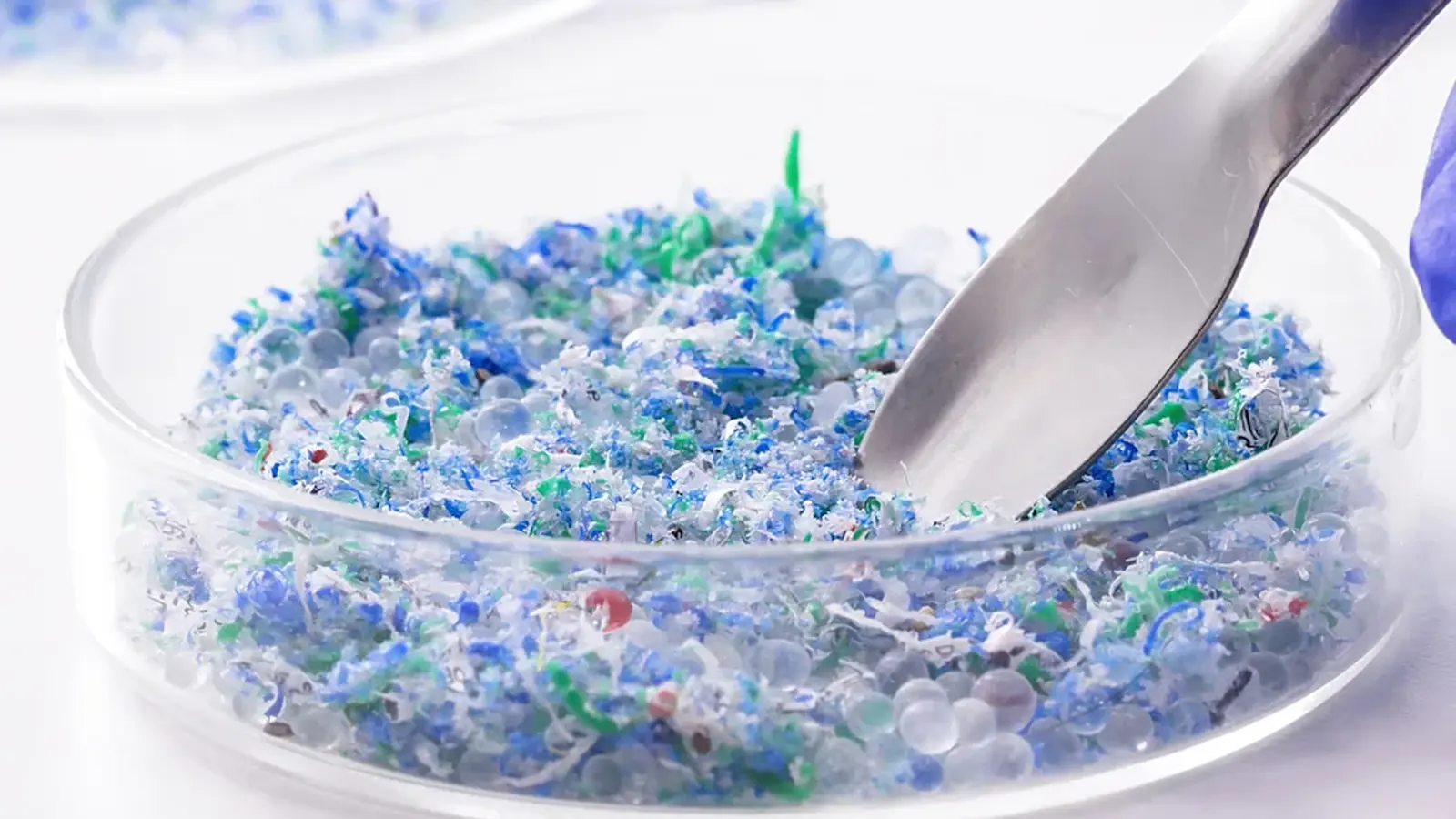
Researchers at UCLA Samueli and Ewha Womans University have a different idea: treat the mess as a feedstock. Instead of painstakingly separating plastic types, feed a mixed batch of PET, PE and PP into one reactor and coax out hydrogen. The trick is alkaline thermal treatment, or ATT — a chemical process in which hot sodium hydroxide strips hydrogen from carbon chains while locking the carbon away as a solid mineral instead of venting it as CO2.
It works. In lab trials the process produced hydrogen streams that exceeded 90% purity from unsorted mixtures. Even better, it does this at far milder conditions than traditional steam gasification — roughly 300 to 400 degrees Celsius lower — which cuts energy demand and equipment stress.
Why did PET give off more hydrogen than polyethylene or polypropylene at first? Chemistry. PET already contains oxygenated linkages that alkaline reagents can attack. PE and PP are all strong carbon–hydrogen bonds; they don’t give up hydrogen easily. The researchers solved that with a brief thermal oxidation pretreatment: a quick heat in air that grafts oxygen-containing groups onto the polymer chains. Those new sites become entry points for sodium hydroxide in the ATT step.

Most of the carbon in the plastics does not end up in the air. Sodium hydroxide captures the carbon released during the breakdown and converts it into solid sodium carbonate. After treatment, more than three quarters of the plastics’ original carbon remained in stable carbonate salts or in liquid organic residues. Less than 13% escaped into the gas phase, and direct CO2 emissions were negligible. A simple recovery step can then convert sodium carbonate into calcium carbonate — a permanent mineral sink that industry already uses.
This method produces high‑purity hydrogen while sequestering most of the feedstock carbon as benign mineral — a rare win for energy and waste management in one process.
Previous low‑temperature tactics, like solar photoreforming or electrochemical routes, typically only work with oxygenated plastics such as PET and leave out PE and PP, which dominate the waste stream. High‑temperature gasification will handle mixed feedstocks, but it carries a CO2 penalty. ATT is the first approach shown to confront all three challenges: unsorted plastic, resilient polyolefins, and carbon emissions.
Who led the work? Ah‑Hyung “Alissa” Park at UCLA Samueli and Woo‑Jae Kim at Ewha are co-corresponding authors on the study, which appears in Proceedings of the National Academy of Sciences. They originally developed ATT for biomass like seaweed and adapted it here to valorize plastic waste into a useful fuel.
Is it ready for factories? Not yet. The laboratory evidence is compelling, but the method needs engineering scale‑up, performance optimization and a clear economic case before it can compete with established recycling or hydrogen production paths. Costs, catalyst recyclability and the energy footprint of the pretreatment step all need careful vetting.
Still, imagine landfills reimagined: not just places to bury problems, but repositories that can be tapped for clean hydrogen. That's the possibility this research teases — and the next challenge will be proving it can run at the speed and scale of the modern waste stream.

Leave a Comment
Comments
No comments yet. Be the first.