
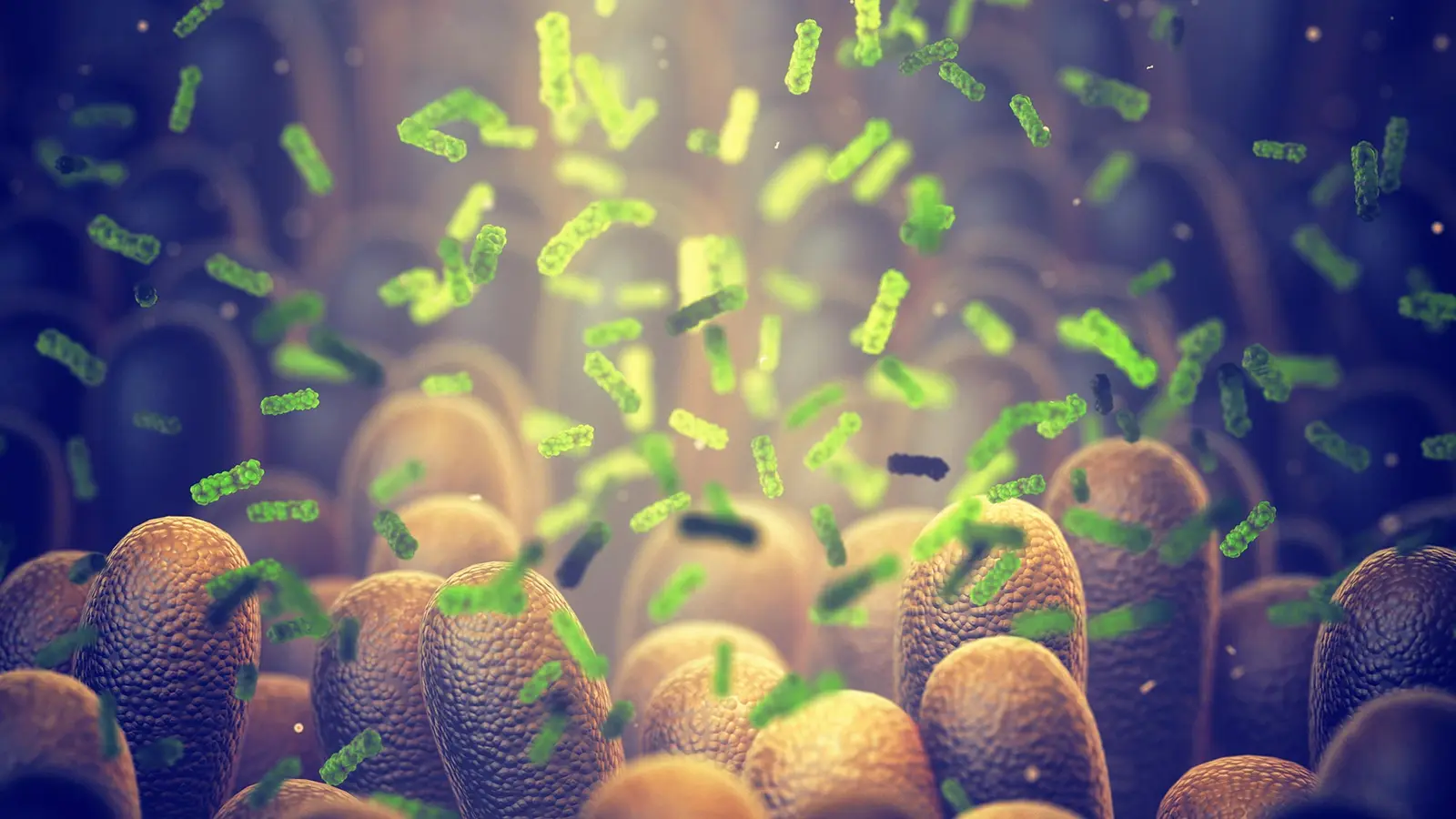
Imagine a hidden clock ticking inside your gut — not the familiar calendar on the wall, but a subtler metronome linked to the microscopic communities that live in your intestines. That is the picture emerging from a new study out of the University of Hawai‘i at Mānoa: certain gut bacteria appear to map onto how quickly our bodies age at the molecular level.
Scientists analyzed stool and blood samples from 123 adults spanning a broad age range and looked for patterns. The blood tests used a next-generation marker called DunedinPACE, designed to estimate the pace of biological aging — in other words, how fast someone’s physiology is changing, separate from their birthdate. The result was unexpected and specific: variation in the gut microbiome explained about 15% of the differences in people’s biological aging rates.
That 15% matters. It’s not everything. But it is measurable. And it suggests the gut microbiome carries information about resilience and decline that blood tests alone do not capture. Some bacterial species stood out. Bifidobacterium adolescentis correlated with a slower pace of aging. In contrast, Succinivibrio dextrinosolvens tended to show up in people whose DunedinPACE indicated faster aging.

Alika K. Maunakea, professor at the UH Mānoa John A. Burns School of Medicine, is a senior author of a study that found that certain gut bacteria are associated with the pace of biological aging. The research adds to growing evidence that the gut microbiome may play an important role in long-term health and healthy aging.
Why should tiny microbes mirror such big processes? Because the gut sits at a crossroads: diet, environment, stress, sleep and social conditions all leave fingerprints there. The team’s lead author, Braden P. Kunihiro, pointed out that the microbiome is highly responsive to daily life — it records exposures the way tree rings record droughts and floods. Co-author Ruben Juarez emphasized a related point: by including Native Hawaiian and Pacific Islander participants, the study begins to reveal how social and environmental factors woven into lived experience might become biological signatures.
Alika K. Maunakea, senior author and a professor at the UH Mānoa John A. Burns School of Medicine, framed the findings as a step forward rather than a final answer. The gut’s microbial landscape was significantly associated with molecular measures of aging, and that association held even after accounting for chronological age. Still, the researchers are careful: association is not causation. The microbes may reflect underlying processes rather than drive them.
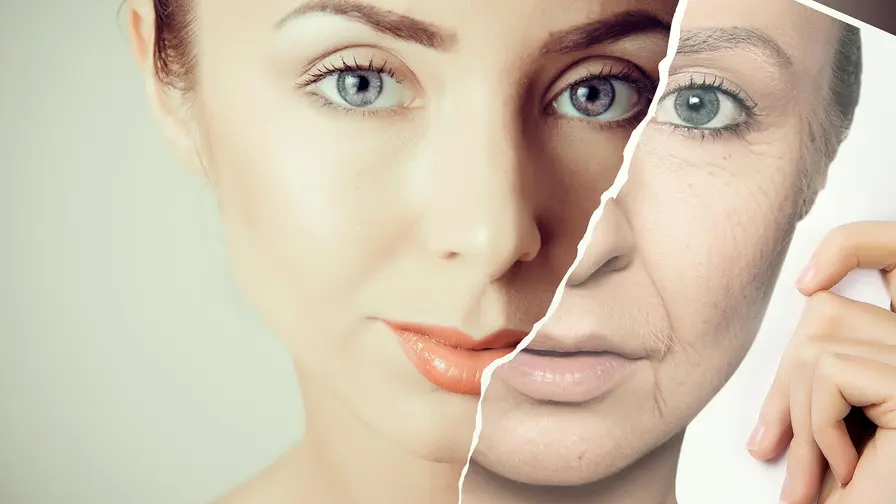
.avif "Science-Backed Strategies to Slow Biological Aging and Boost Longevity")
That caveat matters for anyone hoping for a quick fix. Will a probiotic or diet tweak turn back this microbial clock? Possibly. But the study does not demonstrate that changing the microbiome will slow biological aging. It does, however, point to a potentially modifiable system that could one day be used in precision-health strategies aimed at long-term wellness.

This research adds to growing evidence that the gut microbiome may play an important role in long-term health and healthy aging.
The narrative of the gut and aging is growing more nuanced. Past work has linked the microbiome to inflammation, metabolic health and immune function — all processes that influence longevity. This study adds another layer by tying specific bacterial signatures to DunedinPACE, a biomarker developed to quantify aging pace across tissues and time. Think of it as a molecular speedometer: two people might both be 60 years old by birthdate, but one’s biological odometer may have rolled more miles.
Methodologically, pairing stool profiles with blood-based aging measures is a smart move. It lets researchers see whether signals in the gut echo changes measured elsewhere in the body. The inclusion of underrepresented populations also strengthens the relevance and equity of the findings, because many microbiome studies historically relied on narrow samples that do not reflect global diversity.
What comes next? Larger, longitudinal studies that follow people over time will be essential. Interventions that intentionally shift the microbiome — dietary trials, targeted prebiotics, or microbial transplants — could test whether changing bacterial communities alters aging trajectories. Mechanistic work will also be crucial: how might certain bacteria influence cellular repair, inflammation, or epigenetic clocks?
For now, the study offers something more immediate than a clinical cure: a new lens for thinking about aging. The gut is not merely a digestive organ; it is a living archive of exposures and a possible barometer of resilience. That raises a provocative question: if our microbial companions reflect our life history, might they also hold the keys to a healthier future? The answer will depend on research that follows the microbes as closely as we have started to follow the clock.

Leave a Comment
Comments
No comments yet. Be the first.