
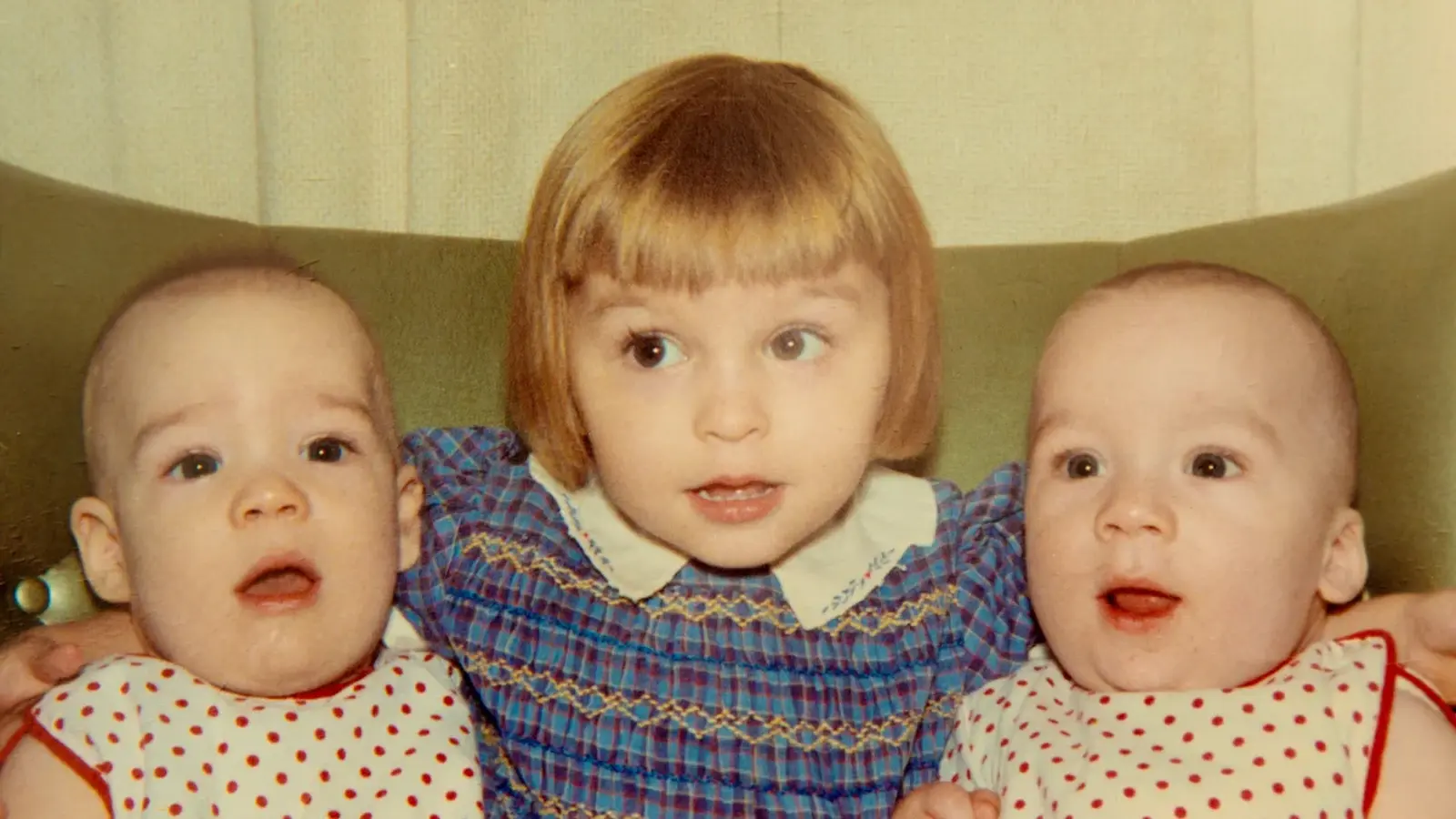
Who gets the bigger bedroom? Who inherited the family piano? Those childhood squabbles may have left more than memories. New research suggests the order in which you arrive into your family leaves a subtle but measurable footprint on your health decades later.
Published in Nature Health, the study mined large-scale medical records and compared siblings to one another as well as unrelated people across families. The pattern was surprising in its breadth: birth order wasn’t only linked to a handful of childhood infections. Instead, differences in risk turned up across hundreds of diseases and conditions spanning the human disease phenome.
How strong are these signals? Strong enough that the authors used both between-family and within-family study designs, ran validation controls and robustness checks, and still found consistent associations. That methodological rigor matters. It reduces the chance that the findings are just artifacts of socioeconomic status, geography, or other obvious confounders.
Some of the effects fit familiar stories. Younger siblings often pick up microbes introduced by older brothers and sisters — exposure that can train the immune system early in life. Only children, by contrast, miss out on that particular kind of microbial schooling and may follow different risk trajectories. But the picture is not limited to infections; the analysis points toward physiological, immunological and social mechanisms working in concert.
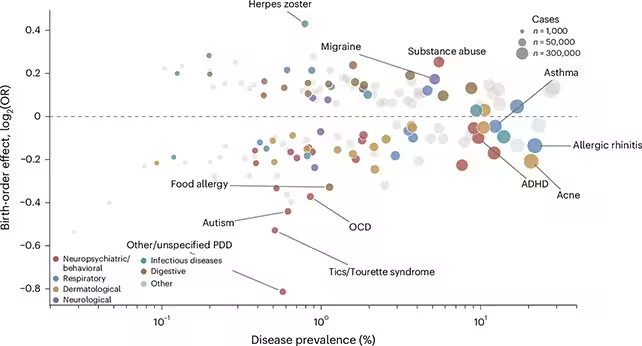
150 diseases were statistically more likely for first-borns or second-borns.
Birth order appears to shape disease risk across hundreds of conditions.
Think of it like a layered signature. Prenatal conditions, variations in immune priming, parental attention and household resources, plus behavioral differences that develop between siblings — all of these threads weave together. The researchers caution that birth order is a risk modifier, not a destiny. It nudges probabilities, it does not dictate fate.
For clinicians and public-health planners the finding is a nudge, too: population health patterns carry imprints of family structure. For researchers, the study opens a box of questions. Which mechanisms dominate for which diseases? Can early interventions blunt any excess risk tied to birth position? And how do modern family trends — smaller families, different childcare arrangements — reshape these patterns?
It’s tempting to file birth-order talk under harmless trivia. This work argues otherwise. The seemingly small fact of who was born first or last carries echoes that reach far into the medical record — an invitation to rethink how family life and biology conspire to shape health.


Leave a Comment
Comments
No comments yet. Be the first.