
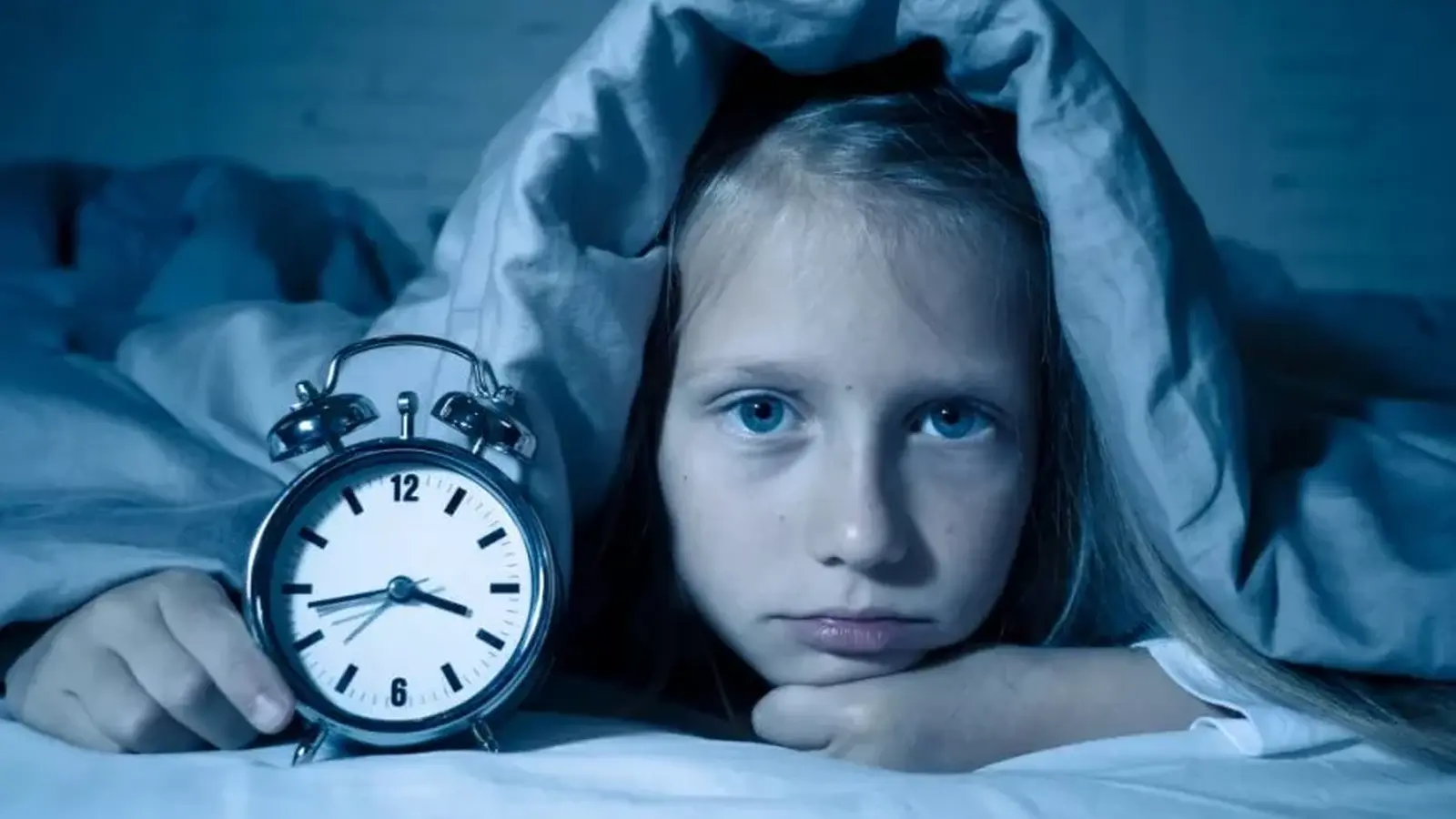
How many nights of poor sleep does it take to turn a bright student into a distracted one? The answer, according to new research from UC Davis, might be fewer than you think.
Researchers sifted through data from more than 6,000 children to assess school performance and over 7,000 to track social problems, all aged 10 to 13. The pattern that emerged was blunt and surprising: sleep quality outpaced diet, physical activity and even screen time as a predictor of how well adolescents do in class and how they navigate friendships.
Yes, feelings of anxiety, depression and even psychotic-like experiences were linked to weaker academic results and bumpier social lives. But the study’s deeper probe revealed something less obvious. A large slice of that decline wasn’t simply the psychiatric symptoms themselves — it was the everyday lifestyle that came with them, and sleep sat at the center.
Think about the mechanics. Nighttime fragmentation begets daytime fatigue. Fatigue erodes attention. Attention undercut weakens planning, problem-solving and the so-called executive functions teachers rely on. The result: lower grades. At the same time, tired youngsters are more irritable, more likely to withdraw from peers and less capable of sustaining friendships. The ripple effects are not subtle.

Is this merely correlation? The authors argue that the link is plausibly causal because poor sleep produces measurable cognitive and emotional impairments. In other words, disrupted nights make it harder to learn and to behave in ways that sustain social bonds — independent of diet or the hours spent on a phone.
Improving sleep routines is the most practical lever families have to support emotional health and school performance.
What does that look like in practice? Regular bedtimes, a calming pre-sleep routine, reduced late-night light exposure — small changes with outsized effects. These are not expensive prescriptions; they are everyday habits that can be nudged at home, at school and in pediatric care.
Science keeps telling us that teens need more than wisdom; they need rest. If parents, educators and policymakers want to lift both grades and the quality of young social life, the first debate should not be about banning devices or rewriting lunch menus. Start with sleep. It might be the simplest fix with the widest reach.


Leave a Comment
Comments
No comments yet. Be the first.