
Could a late-night bag of chips change the shape of a child not yet conceived? It sounds like the stuff of parental guilt, but new research from Brazil hints that a dad's diet before conception might leave measurable traces on his newborn.
Researchers followed 43 families—mother, father and newborn—tracking what each parent ate during two 24-hour recalls in pregnancy, then measuring infants at birth: weight, length, circumferences, skin-folds and body composition. The team calculated how much of each parent's daily energy came from ultra-processed foods—those industrially made products that are nutrient-poor and additive-rich.
What they found was striking. Higher intake of ultra-processed foods by fathers correlated with babies who weighed more at birth, carried more weight relative to their height, and had thicker skin-folds on the thigh and hip. Total body fat in the infants did not appear raised overall; instead, fat seemed redistributed to specific regions.
It's not a smoking gun. The study shows association, not causation, and the sample size is modest. Still, the pattern aligns with a growing body of work suggesting paternal health matters long before conception. Men in the study, on average, got around 30 percent of their calories from ultra-processed items—processed meats, sugary drinks and cookies figured prominently.

The risks of ultra-processed food aren't just to the person eating it, the research suggests.
So how might a father's late-night snacks speak to his child's body? The likely interpreter is sperm and the epigenetic marks it carries. Poor diet can create inflammation and oxidative stress—more reactive oxygen species—damaging sperm quality and changing biochemical signals such as DNA methylation. Those changes can alter the way genes are read in the embryo.
One candidate gene is IGF2 (encoding the growth factor IGF-II), which fathers pass on and which plays a role in fetal growth. Earlier research has shown that dietary patterns can modify this gene's methylation in sperm, and the Brazilian team points to similar pathways: a pro-inflammatory, ultra-processed-food–rich environment could tweak sperm chemistry and, by extension, fetal development.
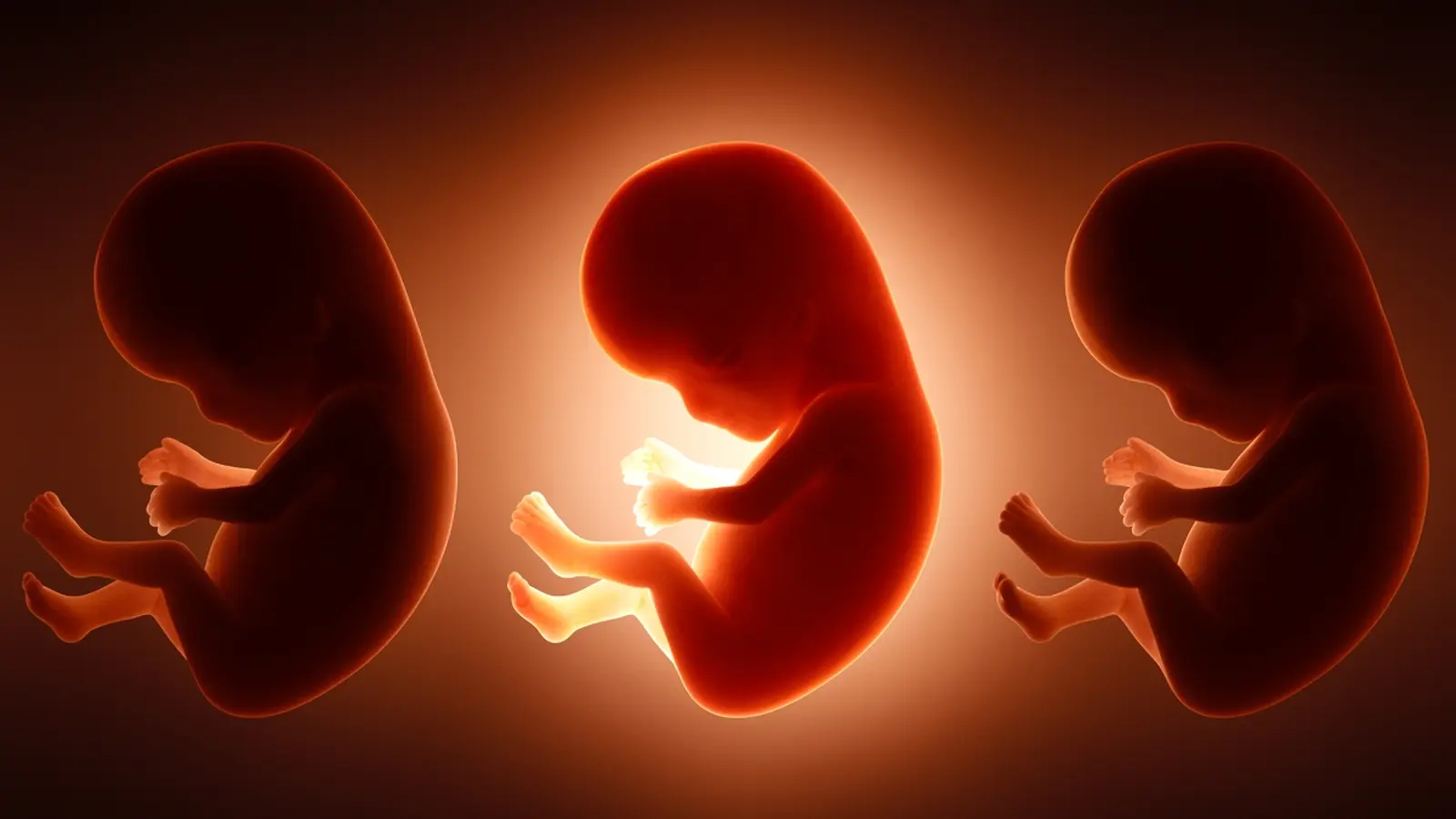
The father's diet in the months before conception may influence offspring development, possibly via epigenetic marks carried in sperm.
There are practical limits to what this single study can tell us. Larger, longer-term research is needed to confirm mechanisms and to see whether these early differences translate into metabolic risk later in childhood. Yet the result is one more thread in a tapestry of evidence that paternal lifestyle—diet, smoking, stress—can ripple forward into the next generation.
If public health campaigns aim to reduce diet-related disease, perhaps it's time they spoke to men as well as women during family planning. After all, a future child's biology may begin to form long before pregnancy is even on the calendar. What will you choose the next time you reach for a snack?


Leave a Comment
Comments
No comments yet. Be the first.