
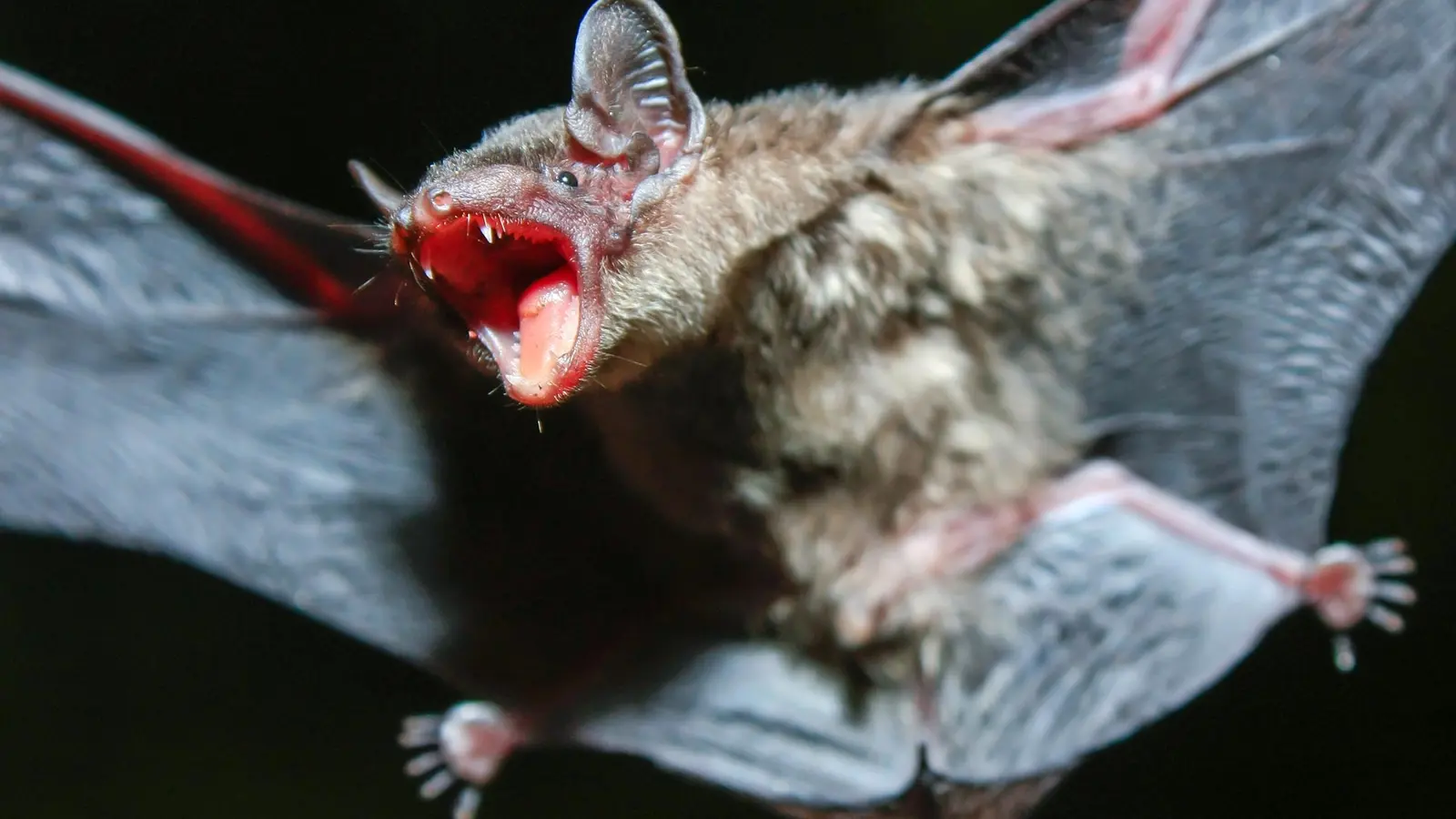
Imagine carrying a spare toolkit inside your cells that no other mammal possesses. Strange as it sounds, vesper bats appear to do exactly that.
When scientists sequenced immune genes from this vast family of bats—more than 500 species stretched across every continent except Antarctica—they found something unexpected: two distinct heavy-chain antibody gene systems. Humans and other mammals use a single heavy-chain gene locus to assemble antibodies. Vesper bats keep a second, separate set. The result could be a broader repertoire of molecular defenses.
Short sentence. Big implication. Why does this matter? Because bats are famously tolerant carriers of viruses that sicken people and livestock. For decades researchers have probed their innate immune responses and metabolic quirks for clues. Now adaptive immunity—the antibody-making machinery that tailors responses over time—has joined the conversation.
Hannah Frank, an evolutionary biologist at Tulane University and senior author on the study published in Science Advances, calls the finding unprecedented in mammals. She and collaborators at Stanford and the CDC report that the duplicated heavy-chain system gives vesper bats an additional pathway to generate antibody diversity. It’s like giving a writer a second alphabet to compose with; the vocabulary of immune recognition expands.

Hannah Frank, associate professor of ecology and evolutionary biology at Tulane University School of Science and Engineering, led a study that discovered a previously unknown antibody system in bats that could offer new clues about how they coexist with viruses without becoming seriously ill.
The discovery raises immediate questions. Do both gene systems activate during infection? Do they produce antibodies with different binding strategies or functional roles? Or is one system a genetic relic, largely dormant? Early data hint that both are functional, but the story is far from complete. Follow-up experiments will need to trace the expression and performance of these antibodies across infections and species.
There is also an evolutionary angle. Vesper bats are astonishingly successful—diverse, widespread, and varied in diet and behavior. Might a richer antibody toolkit have helped them adapt to varied ecological niches while tolerating a heavy viral load? The link seems plausible, but proving it will require ecological, immunological, and genomic detective work rolled into one.

Hannah Frank holds a vesper bat.
Beyond curiosity, the implications touch public health. Understanding how bats coexist with viruses could illuminate mechanisms that limit disease in the reservoir host and, conversely, factors that trigger spillover to humans. If adaptive immune strategies in bats differ fundamentally from ours, they may suggest new avenues for vaccines or therapies—or at least help refine models that predict when and where spillover is most likely.
Studying bats has a habit of expanding what we thought 'normal' was in mammalian biology. This double antibody system is another example. It doesn’t answer every question about why bats tolerate infection so well, but it opens a fresh, promising chapter in comparative immunology, one that may reshape how scientists think about host-virus balance across species—and how we prepare for the next pathogen that finds its way into human populations.


Leave a Comment
Comments
No comments yet. Be the first.