
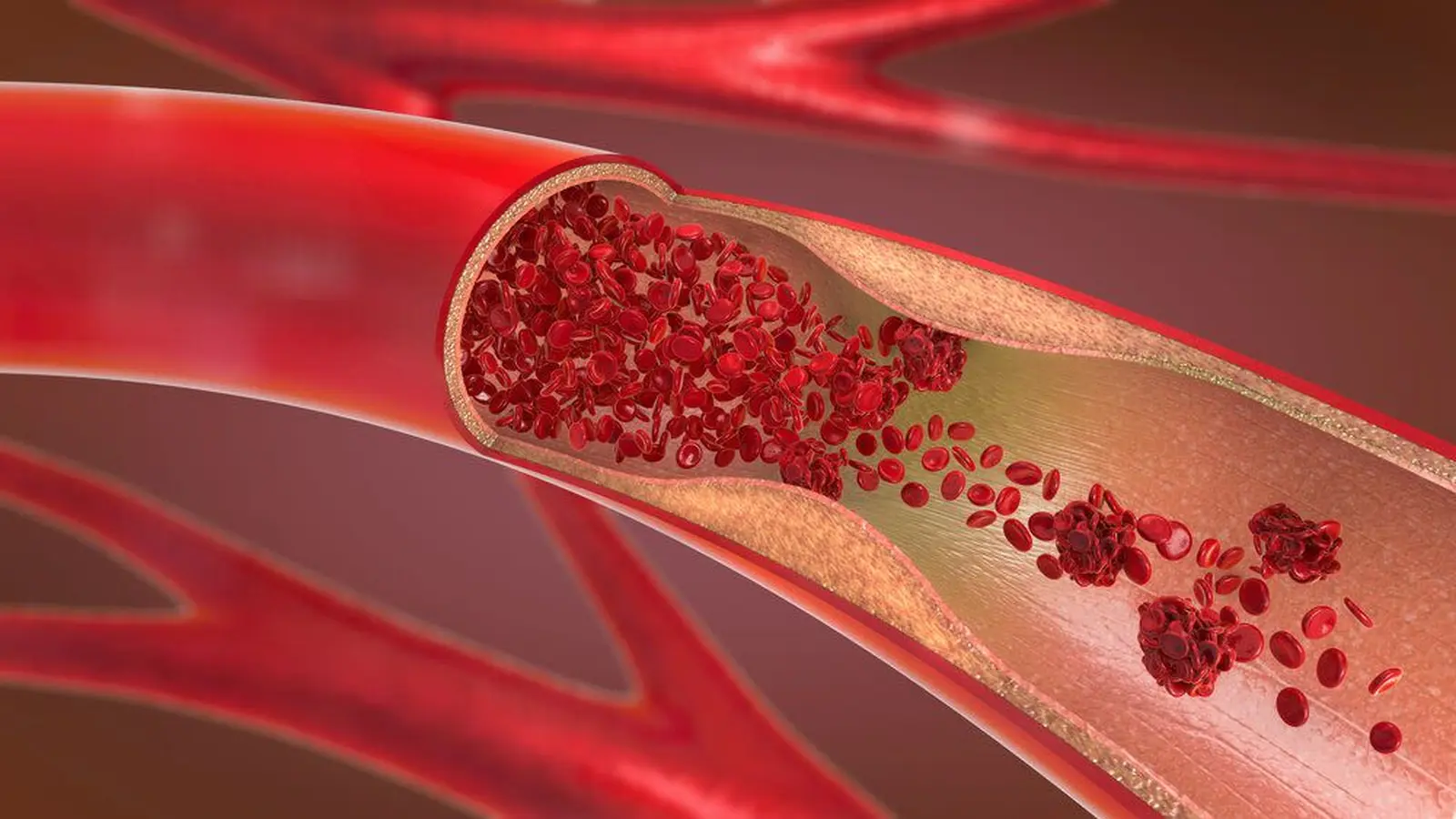
It sounds like a paradox: people in their early twenties showing artery changes usually seen in much older adults. Yet a US study that imaged the carotid arteries of more than a thousand young volunteers found exactly that—subclinical signs of vascular aging hiding beneath otherwise youthful exteriors.
The study followed 1,283 participants with a mean age of just 23 and asked a blunt question: how early do cardiovascular risks start to matter? The answer was unsettling. Nearly four in five participants met criteria for at least one stage of the cardiovascular–kidney–metabolic syndrome, or CKM, a framework the American Heart Association introduced in 2023 to capture the way heart, kidney and metabolic problems interact.
About 40% of the group fell into stage one of CKM, 36% into stage two, and roughly 2.8% into stage three. None were in the final stage. Even so, imaging revealed carotid-thickness measurements and other vascular markers that approached values more typical of older age. In plain terms: some arteries looked older than their owners.

What’s driving this early wear and tear? The investigators used the AHA’s "Life’s Essential 8" to profile participants—diet quality, physical activity, sleep, nicotine use, body mass index, blood glucose, lipids and blood pressure. Diet and inactivity stood out as especially poor across the group. Add in excess weight, prediabetes and other metabolic stresses, and the picture becomes clearer: modifiable lifestyle factors are nudging young vessels toward damage long before clinical disease appears.
Does this mean a future of heart attacks and kidney failure is already guaranteed for these people? No. The CKM stages are a risk stratification tool, not a verdict. They’re meant to identify who might benefit most from early interventions that can slow, or even reverse, progression.
Many of the risk factors tied to early artery changes are reversible—improved diet, more movement, better sleep, quitting nicotine and tighter control of blood pressure, glucose and cholesterol can all shift the trajectory.
The authors also flagged an important caveat: the study sample skewed toward urban and some underserved populations, so the roughly 80% figure shouldn’t be extrapolated to all young adults without caution. Still, the central point holds. Vascular health doesn’t wait for middle age to matter. It begins to accumulate—or erode—from the start of adulthood.
For clinicians and public-health planners the implications are practical: screening and prevention strategies that begin earlier, tailored to young adults, could catch subclinical vascular injury before it becomes symptomatic. For individuals, the takeaway is immediate: lifestyle choices in your twenties can change the shape of your arteries decades later.
The full analysis appears in Circulation: Population Health and Outcomes, offering a timely nudge that heart and kidney health aren’t just midlife concerns—but early-life priorities as well.


Leave a Comment
Comments
No comments yet. Be the first.