
5 Minutes
Imagine a cheap, widely prescribed tablet quietly nudging the gears of cellular time. That is the tantalizing premise driving renewed interest in metformin, the decades-old diabetes drug millions already take. Scientists are no longer asking only whether it controls blood sugar. They want to know if it can slow the processes that make us frailer, sicker, and more vulnerable as years pile up.
What makes metformin worth watching is not a single flashy trick but a repertoire of modest effects across pathways tied to aging. One of the clearest molecular footholds is AMPK, a biochemical alarm that goes off when cells sense low energy. Metformin dampens mitochondrial complex I activity, tilting the cellular balance toward energy conservation and turning on AMPK. That shift can dial down mTOR signaling, encourage autophagy (the cell's cleanup crew), boost mitochondrial renewal, and reduce oxidative stress.
Those processes are central to geroscience, the idea that common mechanisms underlie many age-related diseases. Instead of treating cancer, heart disease, dementia, or frailty as separate foes, researchers study the shared biology that raises the risk for them all. From this perspective, metformin's effects on nutrient sensing, mitochondrial health, and cellular recycling are the sort of multitargeted nudge that could plausibly alter the trajectory of aging.
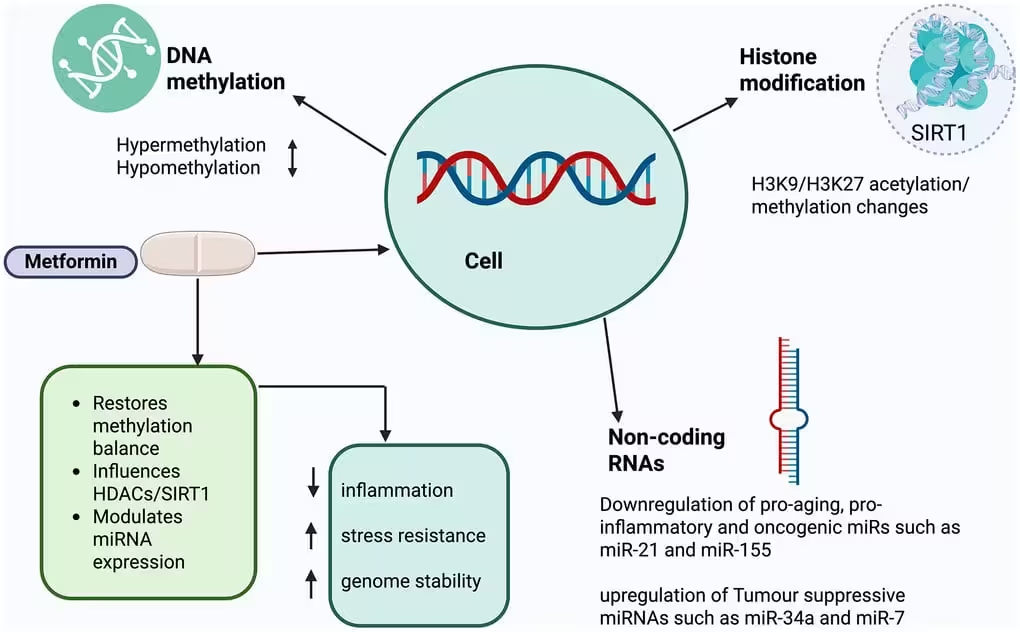
Epigenetic regulation of aging and points of metformin intervention. This schematic diagram shows the epigenetic mechanisms linked to aging and highlights how metformin influences these processes. As organisms age, there tends to be a marked shift in DNA methylation patterns, altered histone modifications, and dysregulation of non-coding RNAs. Metformin is able to restore normal epigenetic balance and contribute to healthy aging and longevity. Figure made with BioRender.
Senescence is another angle. Cells that stop dividing—senescent cells—linger and secrete inflammatory molecules that disturb neighbors. Laboratory studies suggest metformin can influence the buildup and behavior of these cells and tamp down chronic, low-grade inflammation commonly seen with age. The human data on this are patchy, though. Laboratory findings are convincing; population studies are suggestive; clear proof in healthy people remains elusive.
Epigenetics adds a layer of intrigue. Aging brings predictable shifts in DNA methylation, histone marks, and noncoding RNA patterns—features captured by molecular 'aging clocks.' Metformin appears to influence several of these epigenetic regulators through pathways such as SIRT1 and AMPK, and a few human studies report slower epigenetic age acceleration in metformin users. But a favorable flicker on a molecular clock does not automatically translate into more time spent healthy.

Then there is the gut. When taken orally, high concentrations of metformin linger in the gastrointestinal tract and remodel microbial communities. Changes in bacterial metabolites, especially short-chain fatty acids, can ripple outward: altering gut barrier function, modulating inflammation, affecting insulin sensitivity, and even tweaking AMPK activity. The microbiome may be one reason metformin acts like a Swiss Army knife rather than a single-blade scalpel.
Animal experiments strengthen the biological plausibility. Metformin extends lifespan in worms and multiple mouse models, and primate studies report reductions in tissue-based markers of biological age. Human observational studies often show links between metformin use and improved survival or lower incidence of age-related outcomes. But observational signals are vulnerable to confounding. Most human users already have diabetes or metabolic syndrome, so benefits might reflect better disease control rather than a direct slowing of aging.
Randomized trials are the acid test. The Targeting Aging with Metformin (TAME) idea crystallized around this need: test whether metformin can delay the onset of several age-related diseases in older adults without diabetes. Smaller trials have offered a mixed picture. For example, the MeMeMe trial found metformin reduced progression to type 2 diabetes in people with metabolic syndrome but did not lower cancer, cardiovascular events, or overall mortality over the study period. That outcome underscores a practical point: a drug can improve some metabolic endpoints without being a universal longevity pill.
Safety and practicality also matter. Metformin is generally well tolerated and inexpensive, but long-term use carries risks such as vitamin B12 deficiency. Lactic acidosis is rare but serious, particularly in people with poor kidney function. If healthy people are asked to take the drug for decades, these trade-offs become especially relevant. Dose, timing, and duration are unanswered questions. When do you begin? At what dose do benefits outweigh harms? Do effects differ by sex, body composition, or baseline metabolic health?
Put simply: promising biology is not proof. The molecular pathways influenced by metformin — energy sensing, autophagy, mitochondrial function, inflammation, epigenetics, and the microbiome — form an attractive network of targets. Yet none of these alone guarantees that humans will live longer, healthier lives on the drug. Robust, adequately powered randomized trials in people without diabetes must demonstrate real reductions in disease, disability, or death before metformin can be labeled an anti-aging therapy.
Until those trials deliver, metformin stands as a compelling candidate in geroscience — intriguing and plausible, but not definitive.
Meanwhile, the debate is as practical as it is philosophical: should medicine aim to push back multiple age-related diseases at once by targeting shared biology, or continue to tackle them one condition at a time? Metformin has opened the conversation. The answer will depend on the data that follow.


Leave a Comment
Comments
No comments yet. Be the first.