

Could the same tools used to etch computer chips also teach astronauts to live off the Moon? It sounds unlikely. Yet a new line of research suggests that plasma technologies from the semiconductor industry can strip oxygen from lunar soil—and do it at much lower temperatures than some conventional methods.
Oxygen on the Moon isn't floating around in tanks. It's chemically locked inside minerals in the lunar regolith. Break those bonds and you get air to breathe and oxidizer for rocket fuel. The catch is the bonds are strong, and most extraction techniques demand huge amounts of energy.
Enter plasma processing: a dry, lower-temperature method widely used to carve nanoscale features into silicon chips. Plasmas are soups of charged particles and reactive species. In chip fabs, fluorine-rich plasmas are prized for their ability to react with silicon dioxide and remove it selectively. The research team borrowed that chemistry and asked whether the same reactive cocktail could pry oxygen from moon-like soil.
They tested the idea on lunar regolith simulants—carefully engineered powders that mimic the Moon's surface. When the simulants were exposed to semiconductor-style plasmas, the lab instruments picked up oxygen and oxygen-containing gases streaming from the material. Not every mineral gave up its oxygen equally. Some components reacted readily; others stubbornly held on.
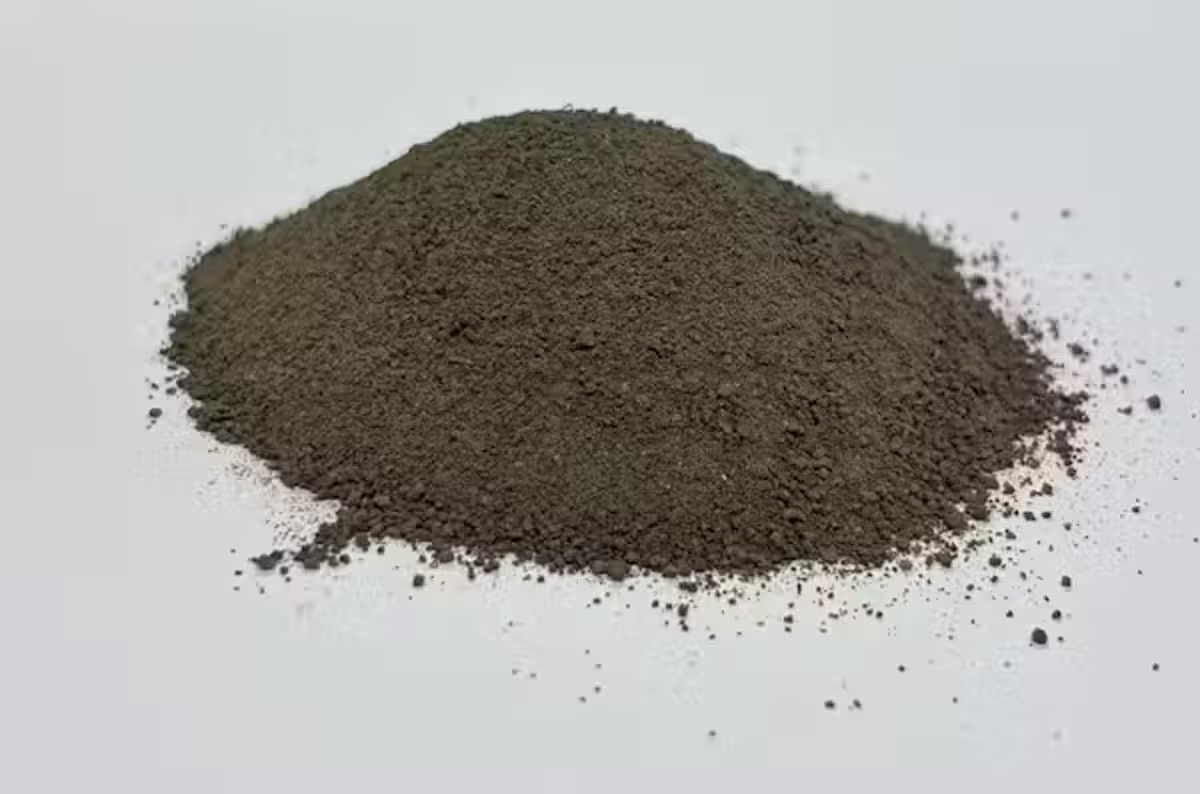
The researchers tested the process on material designed to mimic lunar regolith (soil).
Plasma processing could free oxygen from moon dust at far lower temperatures than some traditional methods. That matters because lower temperatures generally mean smaller power plants, lighter equipment, and fewer engineering headaches for a lunar base.
There are practical reasons to like this route beyond the temperature. Plasma systems are well characterized thanks to decades of industrial development, so engineers don't have to reinvent the wheel. The technique is also dry—no need to haul or handle liquids in microgravity—and can leverage existing knowledge about fluorine plasmas and material interactions.
Still, the work is early. Oxygen yields need to climb if this approach is ever going to supply a habitat or fuel plant. Chemists and engineers will need to map which minerals respond best, optimize gas chemistries and plasma conditions, and prove the process can scale economically on the Moon. There's also the tantalizing possibility that plasma schemes could be tuned to recover other valuable elements in the regolith, like aluminum, silicon, or iron.
For now, the most striking takeaway is conceptual: a technology refined for making billions of transistors on Earth might find a second life enabling life support and propulsion off-world. That kind of cross-pollination—taking a mature industrial process and pointing it skyward—could shorten the development timeline for lunar infrastructure and change how we think about in-situ resource utilization.
It won't be quick. But if chipmaking chemistry helps unlock oxygen from moon dust, missions that once depended on resupply could begin to look much more self-reliant—and that changes the game for living on another world.


Leave a Comment
Comments
No comments yet. Be the first.