
3 Minutes
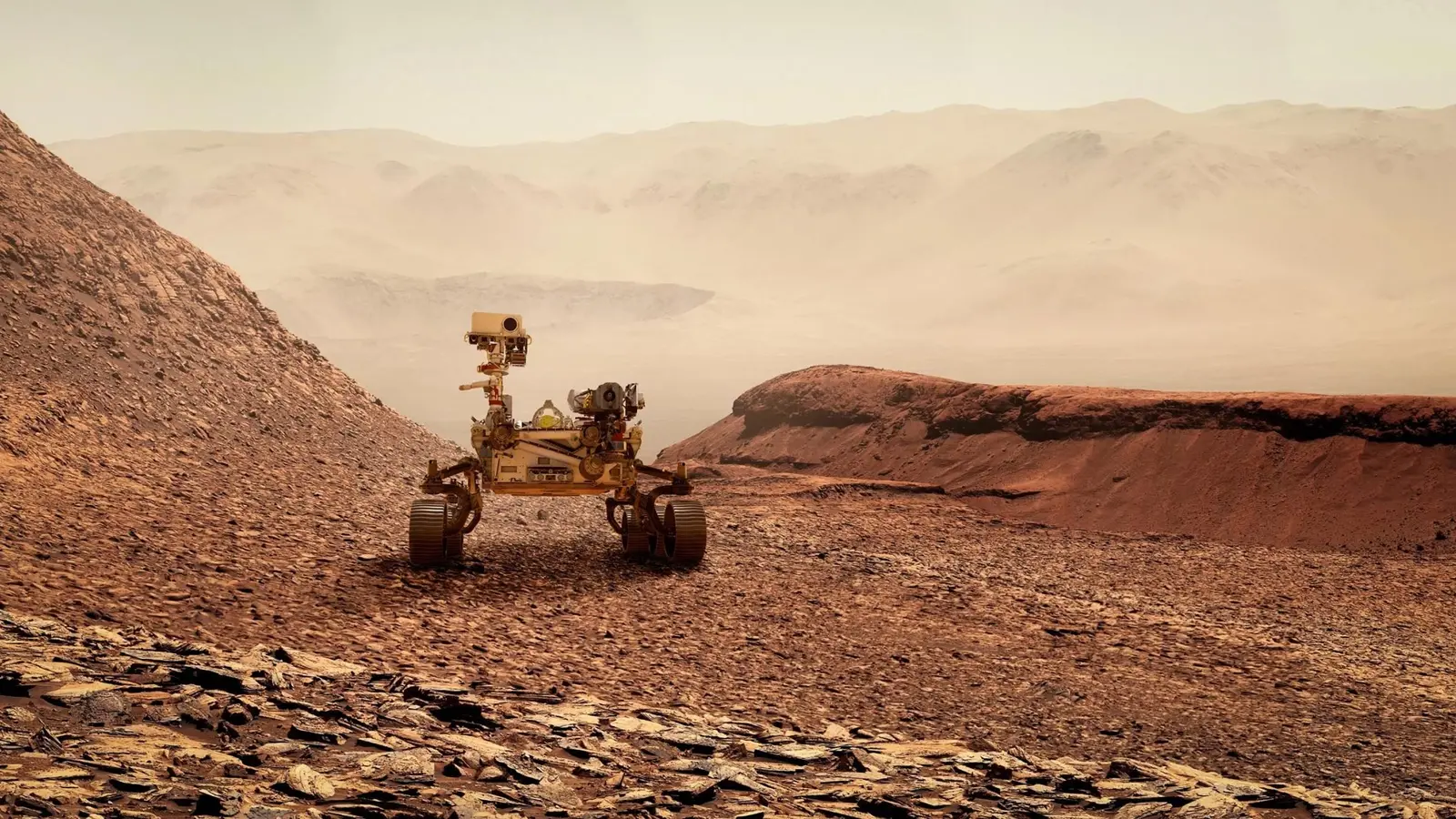
New analysis of Martian dunes suggests underground water once trickled through the sands of Gale Crater, leaving mineral traces that could have preserved signs of past life. Researchers from NYU Abu Dhabi compared Curiosity rover data with Earth analogs to build a new picture of Mars’ wetter, more complex past.
New research from NYU Abu Dhabi reveals that ancient sand dunes in Mars’ Gale Crater once interacted with underground water, suggesting the planet may have stayed habitable far longer than scientists thought.
Hidden rivers beneath the sand: what the study found
The team, led by Dimitra Atri of NYU Abu Dhabi’s Space Exploration Laboratory with research assistant Vignesh Krishnamoorthy, reports evidence that ancient dunes in Gale Crater were not simply wind-sculpted dry deposits. Instead, over long periods these dunes were partially cemented when water moving below the surface seeped upward through tiny fractures and pore spaces, gradually turning loose sand into rock.
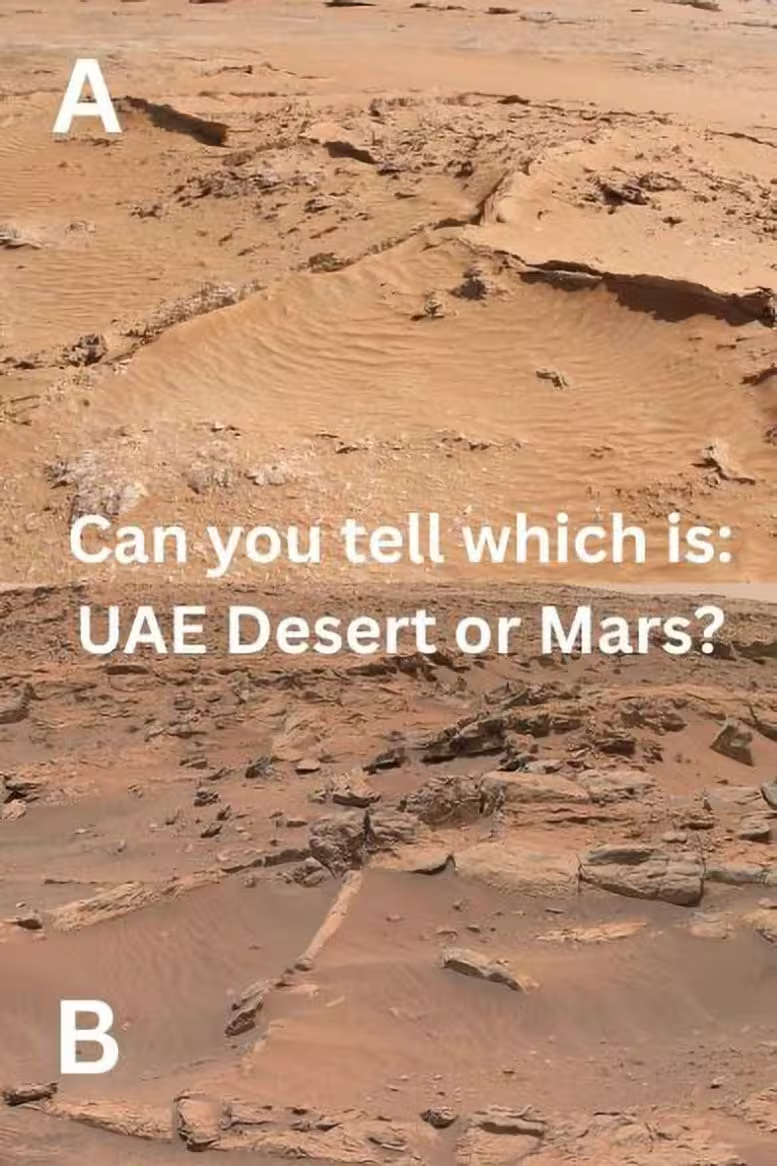
Between image A and B, can you tell which is the UAE desert and which is Mars? (Answer: A = UAE Desert, B = Mars).
Minerals left by that subsurface water include gypsum — a sulfate mineral commonly found in Earth’s deserts. Gypsum and similar salts are important because they can trap and preserve organic molecules. That raises the stakes: subsurface-cemented dunes could be prime targets for missions searching for chemical fossils or molecular signatures of past life.
How scientists reached this conclusion
The researchers compared high-resolution observations from NASA’s Curiosity rover in Gale Crater with naturally cemented dune systems in the United Arab Emirates. By matching textures, layering, and mineralogy, they showed that the Martian features are consistent with long-term interaction with shallow groundwater rather than a single, short-lived wet episode.
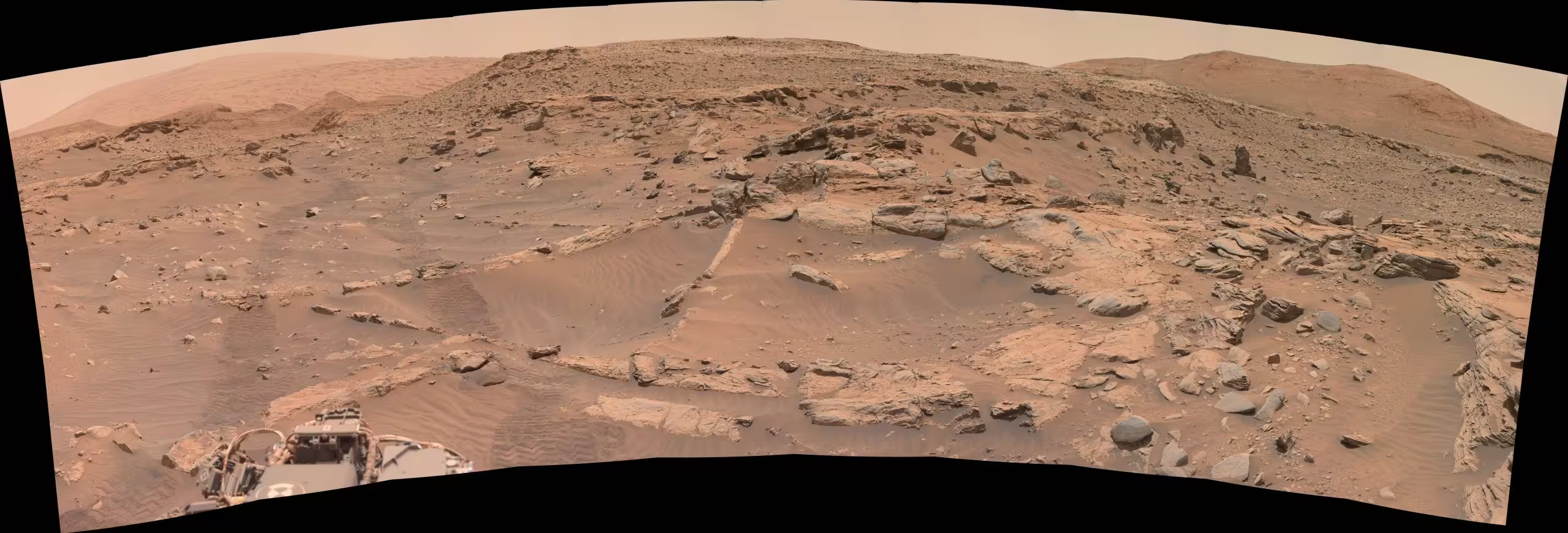
Curiosity rover
Published in the Journal of Geophysical Research – Planets, the study argues that Mars’ climate evolution was more gradual and locally variable than a simple wet-to-dry switch. “Mars didn’t simply go from wet to dry,” Atri says. “Even after its lakes and rivers disappeared, small amounts of water continued to move underground, creating protected environments that could have supported microscopic life.”
Why this matters for Mars exploration
Subsurface-hardened dunes present two practical advantages for astrobiology: they concentrate and preserve organics, and they represent sheltered microenvironments where life, if it ever existed, might have persisted longer than on the exposed surface. Future rover missions and sample-return campaigns could prioritize similar textures and sulfate-rich layers when choosing drilling or caching sites.
In short, the story of water on Mars may be less of a dramatic switch and more of a slow fade — with small, lasting pockets of moisture that left mineral footprints we can still read today.








Leave a Comment
Comments
No comments yet. Be the first.