
2 Minutes
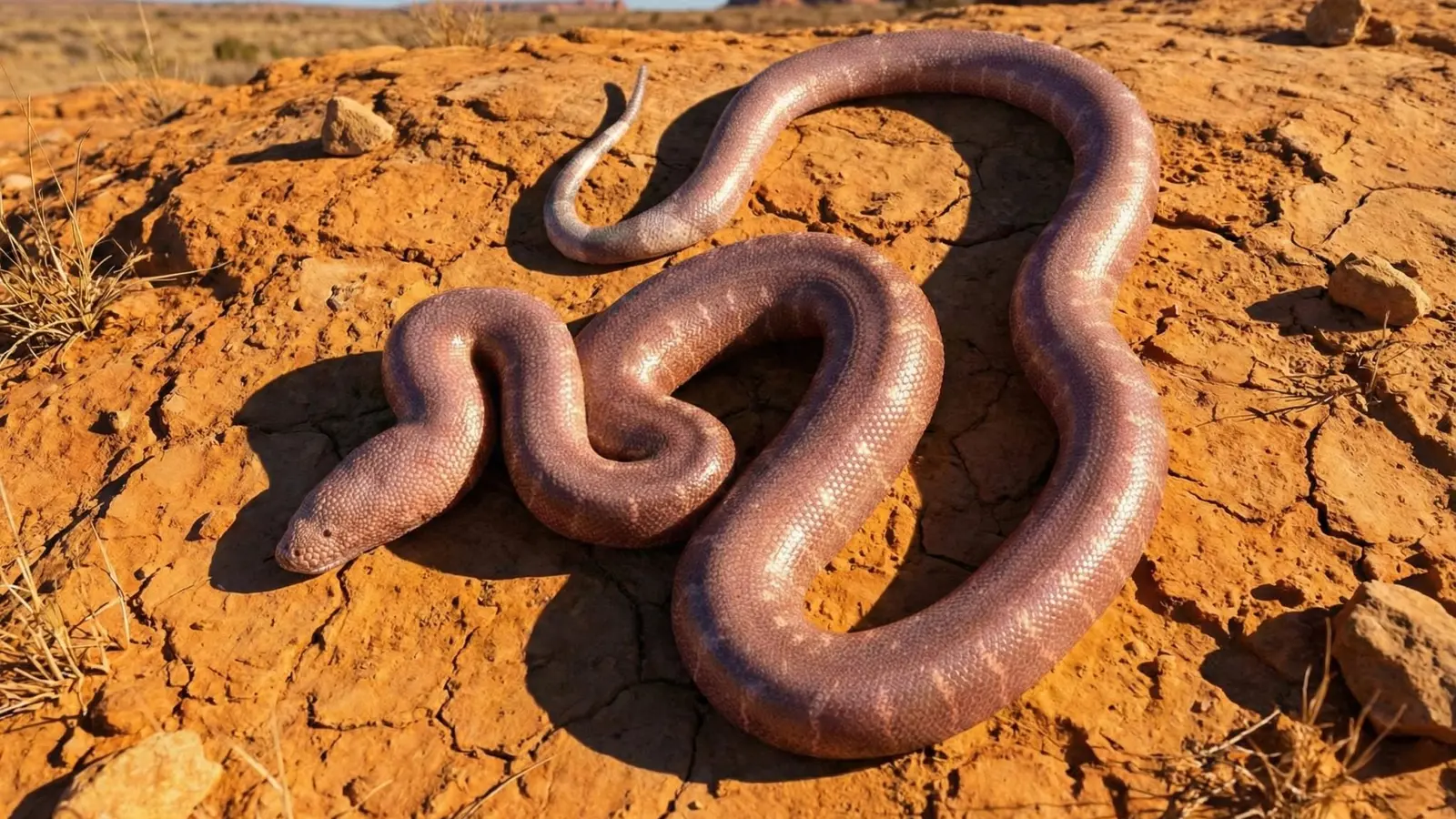
A puzzling fossil called Paradoxophidion is reopening questions about how modern snakes evolved. New study of museum specimens suggests this fossil could be one of the oldest members of the caenophidian group — but its identity and lifestyle remain uncertain.
A fossil that doesn't fit neatly
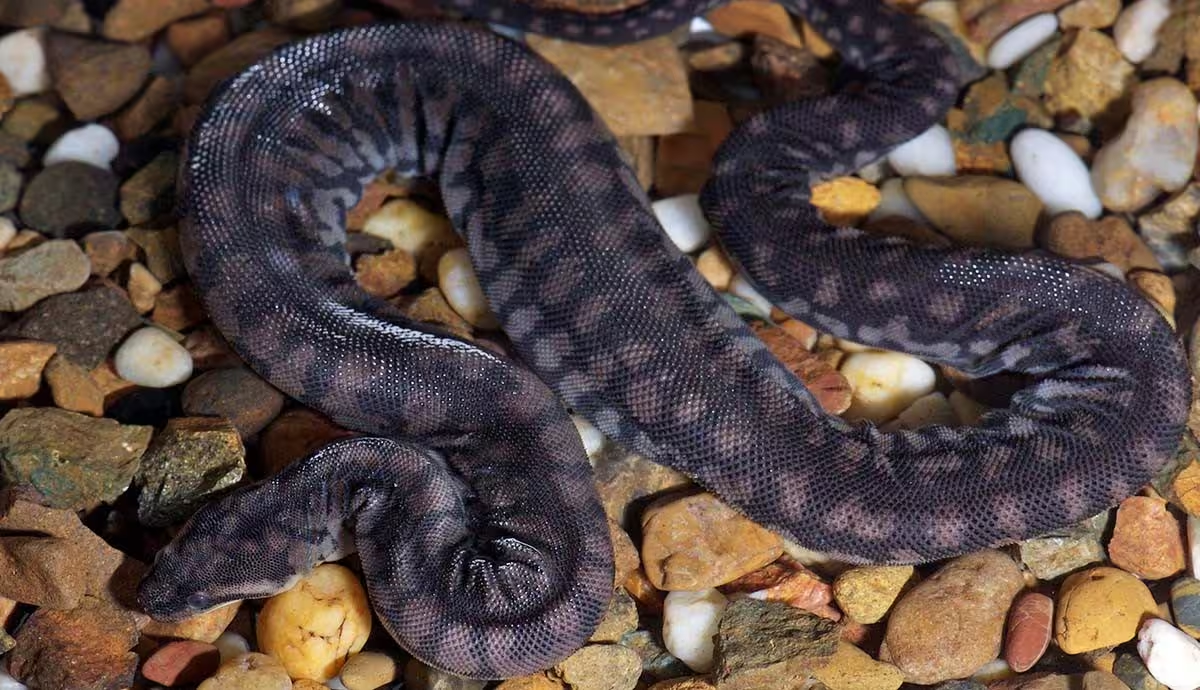
Researchers examining Paradoxophidion note features that could link it to Acrochordids, a family of fully aquatic snakes. "If Paradoxophidion is an early acrochordid, that would imply an aquatic phase in the evolution of caenophidians," says Georgios, one of the scientists working on the collection. Yet the specimen also shows traits that might place it in a different branch of caenophidian snakes, so the team is cautious.
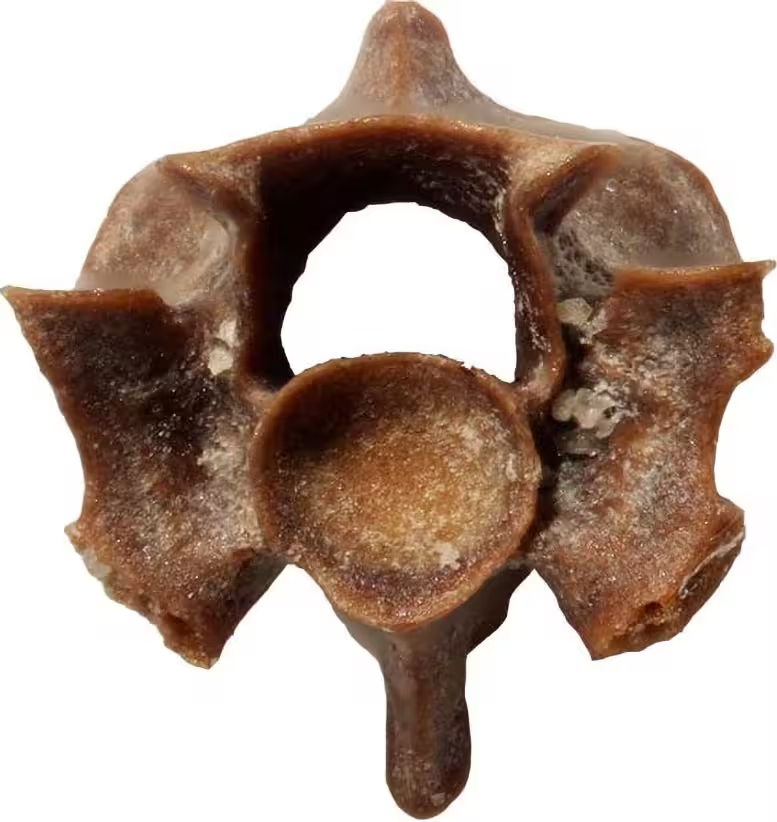
Right now, there isn't enough anatomical evidence to say definitively how Paradoxophidion lived or which family it belongs to. The fragmentary nature of many fossil snakes complicates classification: isolated bones can be ambiguous, and convergent evolution — where unrelated lineages evolve similar forms — can mislead analyses.
Digging through museum drawers for answers
To sharpen the picture of early snake evolution, Georgios plans to continue his work in fossil reptile collections. He’ll revisit specimens first examined in the nineteenth century by Richard Owen, including bones from Palaeophis, a giant aquatic snake discovered in England. Comparing Paradoxophidion with better-known aquatic forms like Palaeophis and modern Acrochordids could reveal shared adaptations to life in water, such as vertebral and cranial features.
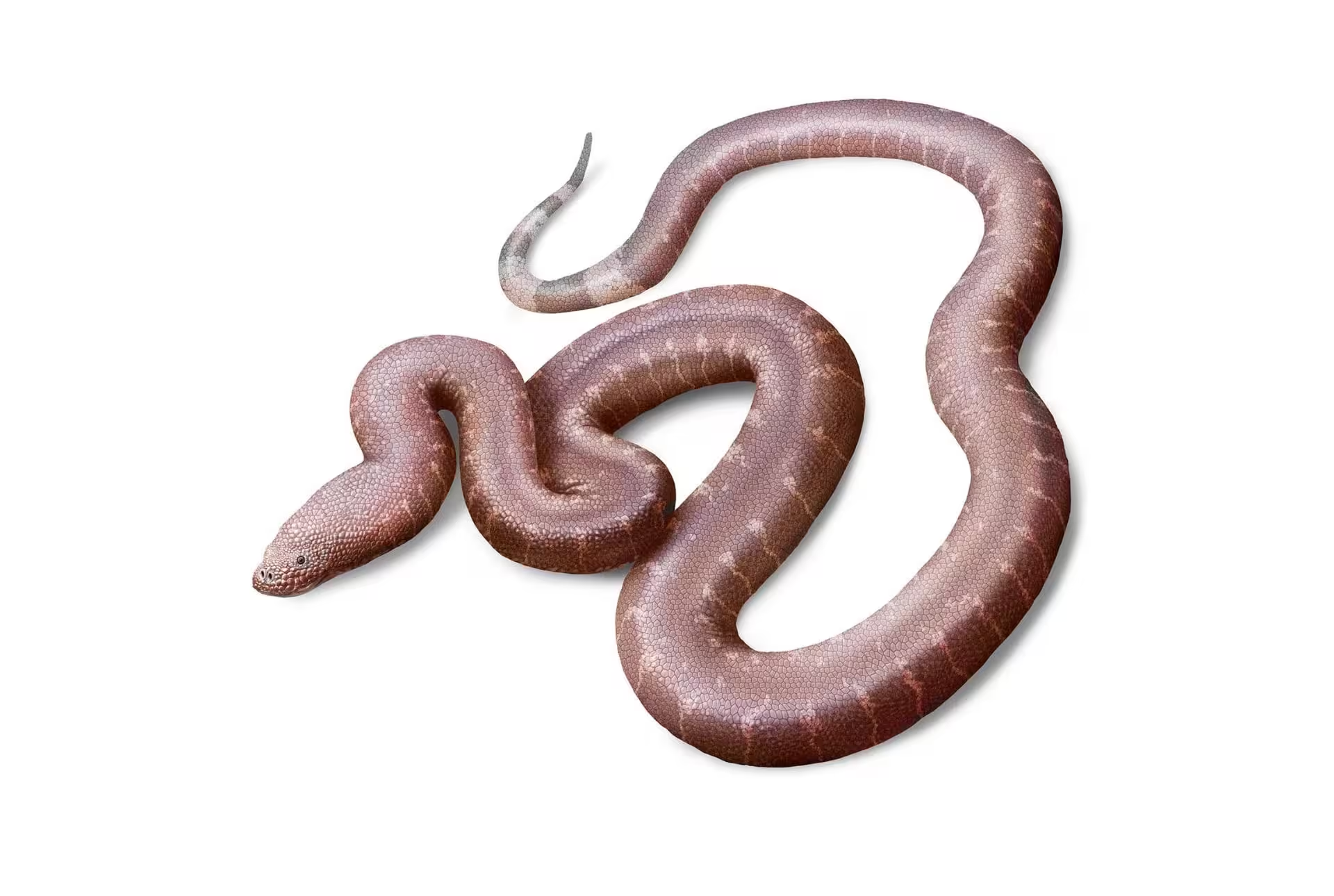
There are also several unstudied bones in the collection with unusual morphologies. These remains could represent previously unrecognized taxa and help fill gaps in the fossil record. With careful comparative anatomy, high-resolution imaging, and broader sampling of museum holdings, scientists hope to place Paradoxophidion on the snake family tree and clarify early caenophidian ecology.








Leave a Comment
Comments
No comments yet. Be the first.