
2 Minutes
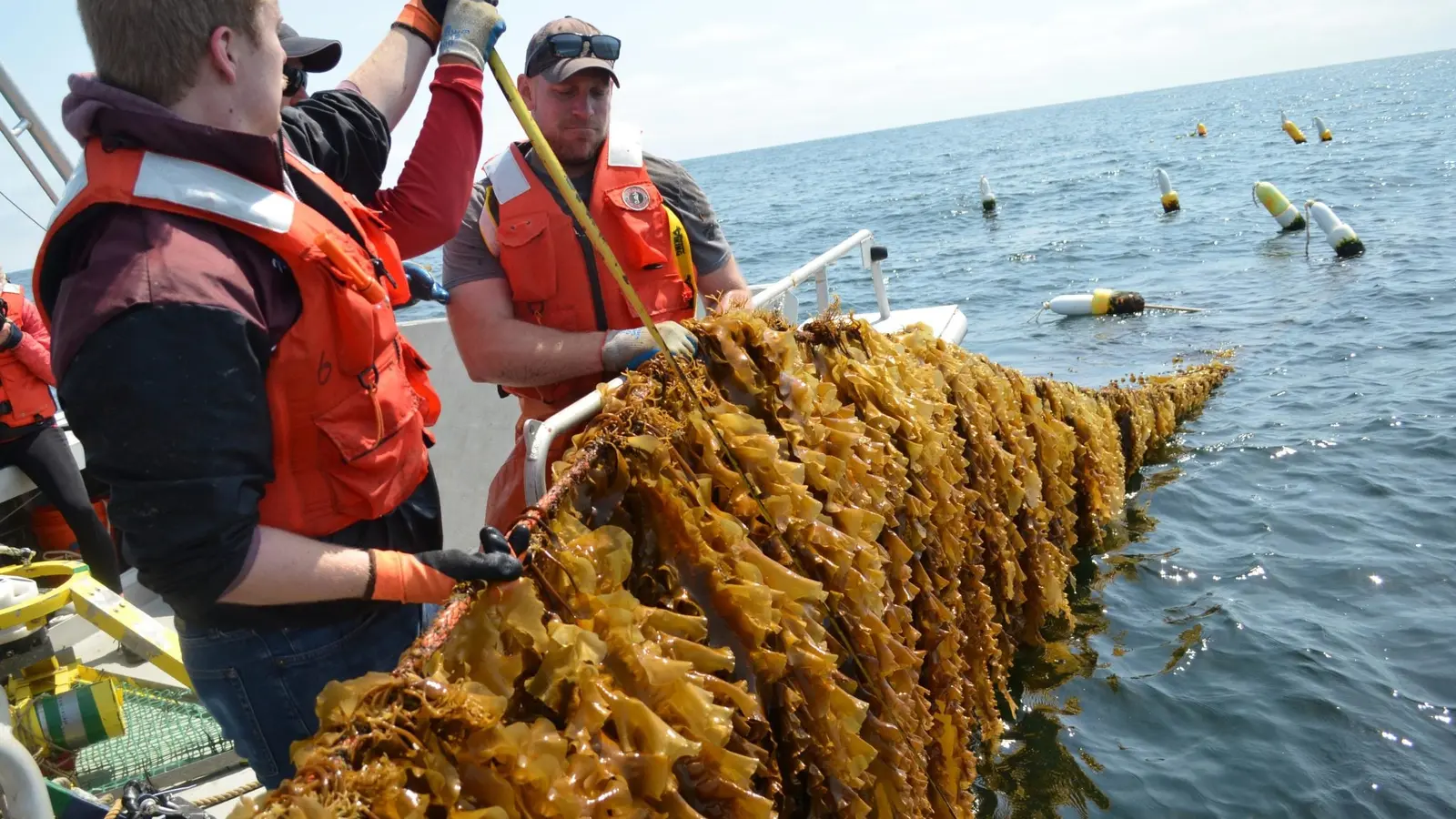
The University of Maine is mapping how offshore kelp farming could reshape coastal economies and supply chains. By pairing technological research with workforce development, the university is helping coastal communities and local businesses adapt to ecological shifts and seize emerging market opportunities.
A detailed cost model for offshore kelp
Researchers at UMaine created what they describe as the most comprehensive cost analysis of offshore kelp cultivation in the United States to date. Instead of broad estimates, the model breaks down expense drivers across deployment, maintenance, harvesting, and processing, giving policymakers and investors a clearer picture of where money is actually spent.
Where the numbers lead the way
That granular view highlights specific bottlenecks — for example, labor-intensive harvest operations or costly vessel time — that currently push prices up. By pinpointing these pain points, the analysis indicates where targeted investments in automation, improved gear, or novel logistics could rapidly change the cost-benefit balance for large-scale kelp farms.
Why this matters to coastal communities
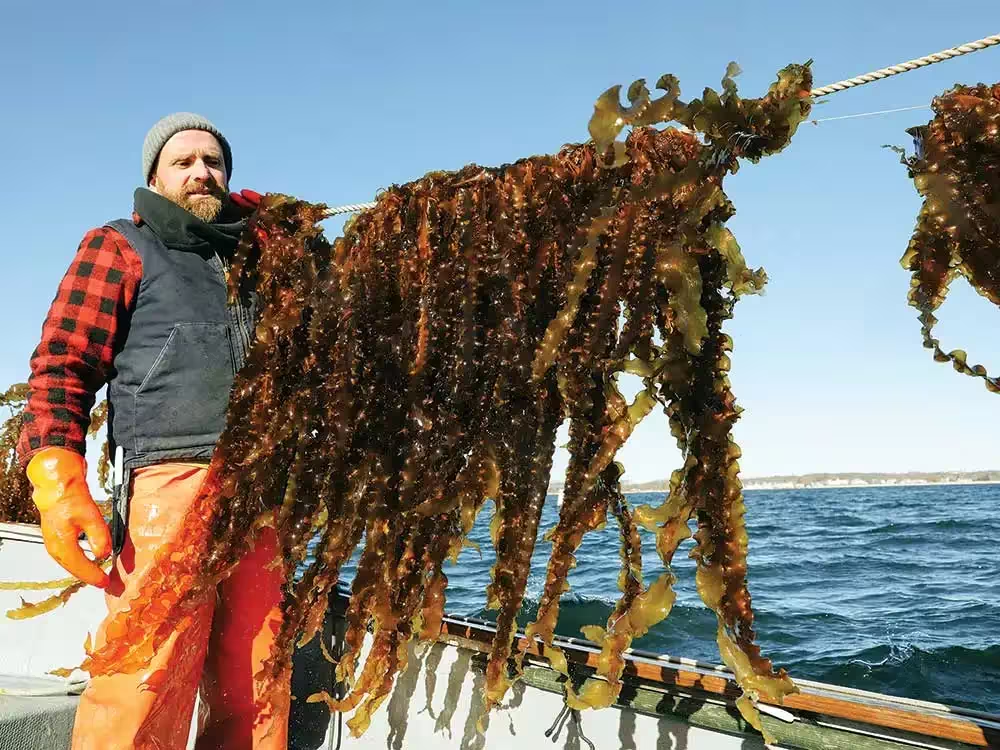
Offshore kelp offers ecological benefits such as carbon uptake, habitat provision, and nutrient cycling, while also opening routes to new markets: bio-based materials, animal feed, fertilizers, and blue carbon credits. UMaine pairs the economic model with workforce development programs so local workers gain the skills needed for an expanding marine agriculture sector.
Damian Brady, professor of marine sciences at UMaine, notes that a detailed economic roadmap is essential for accelerating innovation. The model does more than compile costs; it shows where strategic technology spending and training can make kelp farming a viable industry for coastal regions.
As policy makers, entrepreneurs, and coastal towns consider kelp as both an environmental tool and an economic opportunity, this kind of data-driven research will guide smarter investments and workforce decisions that could unlock new jobs and markets along the U.S. coastline.










Leave a Comment
Comments
No comments yet. Be the first.