

5 Minutes
New analysis of hundreds of studies warns that chemicals in commonly used plastics may program life-long health problems when exposure begins in pregnancy or childhood. The research links plastic additives to obesity, infertility, asthma and even cognitive effects — and experts say both household choices and global policy changes are needed.
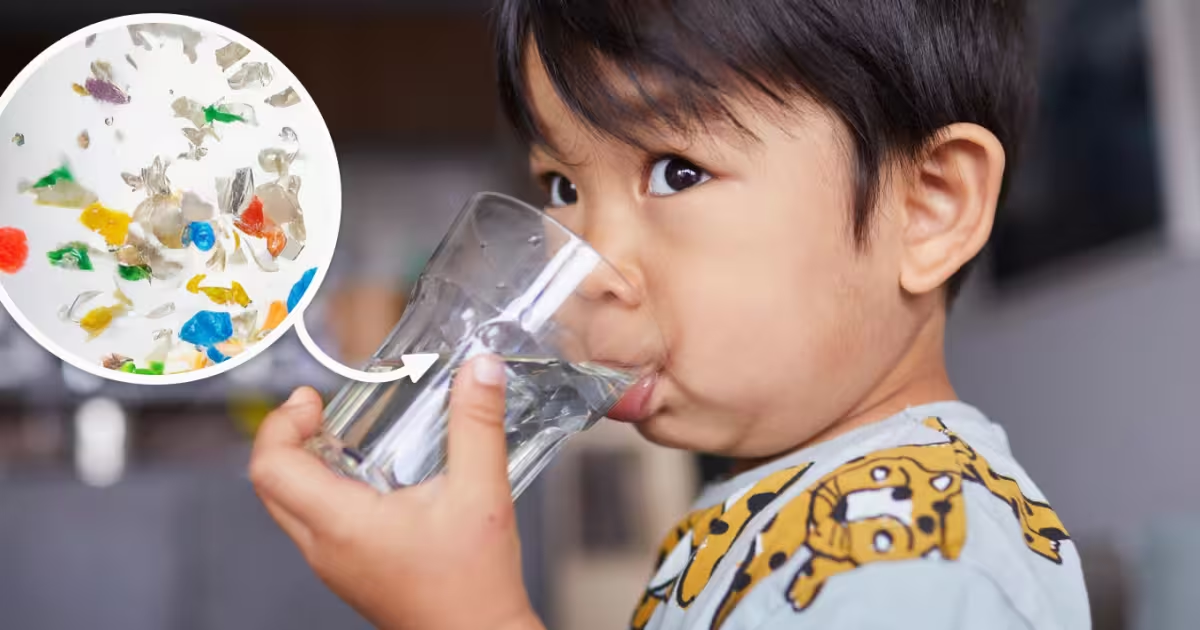
Chemicals in everyday plastics may be fueling obesity, infertility, and asthma that begin in childhood. Experts warn urgent action is needed to protect future generations. Credit: Shutterstock
What the review found and why it matters
Researchers from NYU Langone Health summarized results from an extensive review published in The Lancet Child & Adolescent Health that pulled together decades of evidence. The studies followed thousands of pregnant people, fetuses and children and converged on a worrying pattern: exposure to certain plastic-associated chemicals during sensitive windows of development appears to raise the risk of chronic disease later in life.
The review focused on three major chemical families commonly added to consumer plastics: phthalates (used to make plastics flexible), bisphenols (such as BPA, used to harden plastics) and perfluoroalkyl substances (PFAS, which add water- and heat-resistant properties). Across varied study designs — from population cohorts to laboratory work — these compounds have been associated with higher rates of obesity, metabolic and cardiovascular problems, reduced fertility, increased asthma and allergic disease, and some neurodevelopmental concerns like declines in IQ or greater risk for attention difficulties.
"Our findings point to plastic’s role in the early origins of many chronic diseases that reverberate into adolescence and adulthood," said pediatrician Leonardo Trasande, MD, MPP, lead author of the review and professor at NYU Grossman School of Medicine. Trasande and colleagues stress that protecting children from avoidable exposures could alter population health decades from now.
How everyday products release harmful chemicals
These chemicals are not confined to obscure industrial uses — they’re in food packaging, cosmetics, thermal receipts, and many household items. Heat, wear, repeated use and certain cleaning processes can accelerate release: plastics can shed microplastic fragments, nanoparticles and dissolved chemicals that enter food and dust or are absorbed through skin.
Laboratory and epidemiological studies suggest several biologic mechanisms. Some plastic additives act as endocrine disruptors, interfering with hormones that control growth, metabolism and reproduction. Others promote chronic inflammation, and a growing body of data indicates that exposure during early brain development can alter neural pathways.
Given those mechanisms, even low-level exposures at critical developmental stages may have outsized effects compared with the same exposures in adults. That helps explain why prenatal and early-life contact with these chemicals is linked to risks that appear years later.
Practical steps families can take now
While sweeping regulation is debated at national and international levels, the Lancet review and NYU experts recommend practical, low-cost measures parents and caregivers can adopt immediately:
- Replace plastic food containers with glass or stainless steel, particularly for hot foods or liquids.
- Avoid microwaving or dishwashing plastic containers — heat speeds chemical migration.
- Minimize handling of thermal paper receipts and wash hands after touching them.
- Reduce consumption of highly processed packaged foods, which can carry elevated chemical loads from packaging.
- Choose personal-care products free of phthalates and parabens when possible.
Physicians and pediatricians can play a role: counseling families, partnering with schools to educate children about plastic exposure, and advocating for safer alternatives in community settings.
Policy, equity and the global picture
The authors argue that voluntary measures and individual behavior changes are not enough. The review arrives as diplomatic negotiations toward a United Nations Global Plastics Treaty continue in Geneva. More than 100 countries have signaled support for legally binding limits on plastic production and nonessential uses.
Trasande and colleagues highlight the uneven burden of exposure: low-income communities and marginalized populations often live closer to pollution sources and have greater contact with low-cost, heavily packaged products. The team also estimates substantial economic costs tied to health impacts in the United States — on the order of hundreds of billions annually — underscoring a public-health rationale for regulatory action.
Importantly, the researchers acknowledge that plastics remain vital in medicine, from sterile tubing and ventilator parts to disposable devices that save lives. Their call is not to eliminate plastic from health care, but to reduce avoidable commercial and household uses that pose long-term risk.
Expert Insight
"We’ve known for some time that early-life exposures can influence lifelong health, but the scale and consistency of the plastic-related signals are sobering," said Dr. Maya Chen, an environmental health scientist and science communicator. "Families can make meaningful changes at home, but lasting protection will require policy that limits hazardous uses and supports safer materials — especially where vulnerable children live and learn."
Chen adds a practical note: "Small changes compound. Replacing a few plastic containers with glass, washing hands after handling receipts, and choosing fewer packaged foods can reduce a child’s chemical burden over time."
Implications for research and innovation
Beyond behavior and policy, the review points to research gaps and opportunities: better biomonitoring of emerging replacement chemicals, long-term cohort studies that follow exposed children into adulthood, and green-chemistry innovation to produce safer materials without sacrificing performance. Engineers, materials scientists and toxicologists will need to work together to design plastics that are both useful and non-disruptive to human development.
As nations weigh the costs and benefits of tighter regulation, the evidence compiled by NYU and collaborators adds a public-health dimension to the debate — one where protecting early development could prevent disease decades later and reduce large societal costs.











Leave a Comment
Comments (2)
Is this even true? Sounds scary but are the studies consistent or just correlation? Need clearer guidance, not only alarmism
Wow this made me uneasy, my kid's lunchbox is all plastic… gotta swap stuff now, ugh. Didn't expect cognitive links either