
4 Minutes
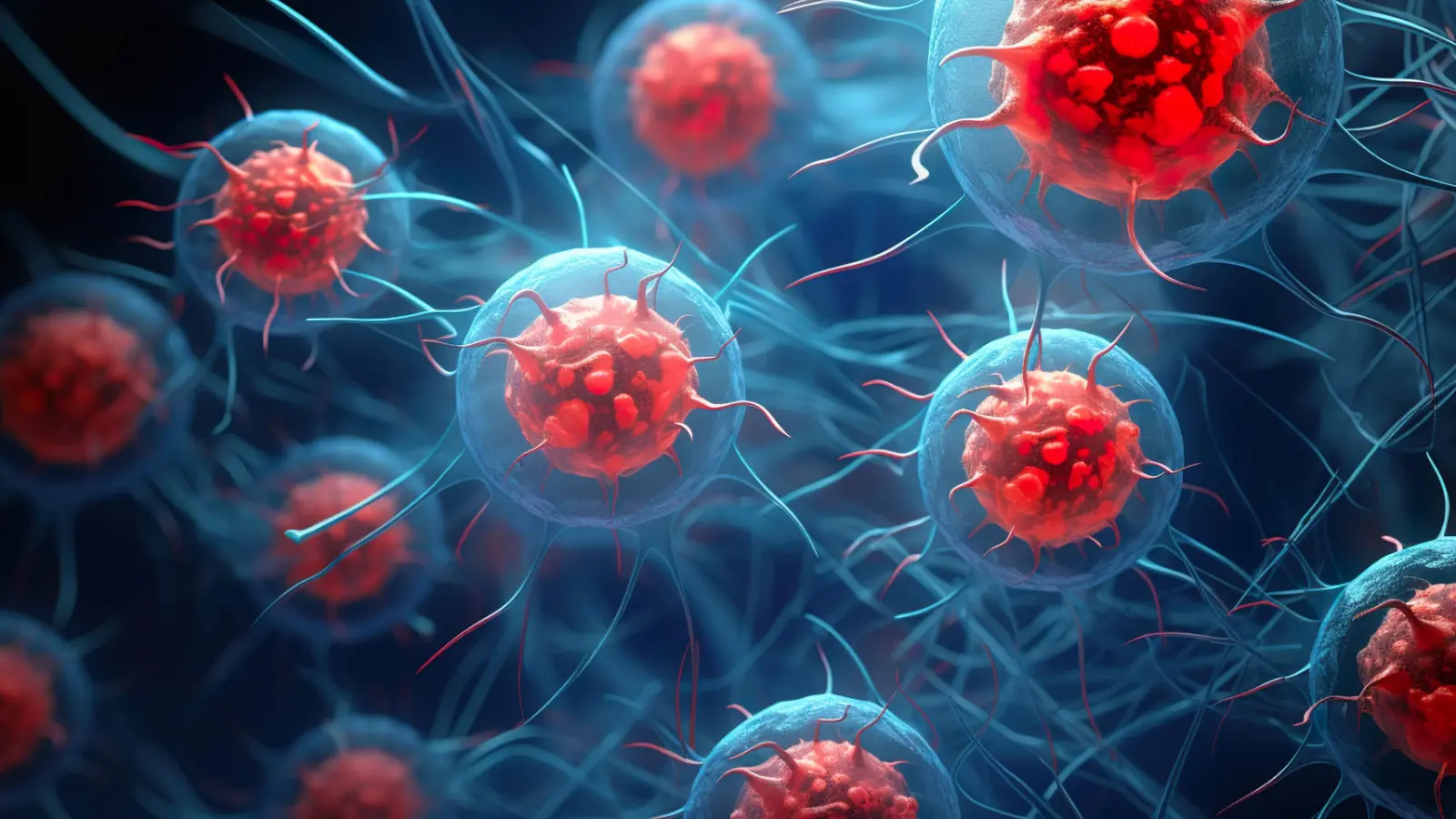
Researchers have developed a novel way to restore energy to aging human cells by boosting mitochondrial numbers in donor stem cells and letting those cells transfer the newly produced organelles to weaker neighbors. The approach uses specially engineered nanoparticles to reduce cellular stress and trigger genes that increase mitochondrial production — a technique that could one day help treat heart damage, muscle disease, and other conditions tied to cellular aging.
How a microscopic battery swap revives tired cells
Mitochondria are the tiny power stations inside our cells that generate the energy needed for life. As we age, mitochondrial quantity and performance decline, which can contribute to heart disease, neurodegeneration, and other age-related conditions. The new study from Texas A&M University shows it's possible to encourage healthy stem cells to produce extra mitochondria and then pass those organelles to older or damaged cells — effectively performing a microscopic "battery swap."
The team engineered flower-shaped nanoparticles, dubbed "nanoflowers," made from molybdenum disulfide. These porous particles act like microscopic sponges that scavenge reactive oxygen species (ROS) — unstable oxygen molecules that damage cellular components and suppress mitochondrial production. By soaking up ROS in targeted tissues, the nanoflowers lower oxidative stress and stimulate a genetic program inside stem cells that boosts mitochondrial biogenesis.
Stem cells are naturally predisposed to share mitochondria with neighboring cells during tissue repair. But in the experiments, donor stem cells loaded with extra mitochondria had far more to give, turning a modest maintenance mechanism into an effective method to re-energize surrounding cells.

What the lab experiments revealed
The results are striking. Treated stem cells released roughly twice the usual number of mitochondria, and some target cell types saw even larger gains: smooth muscle cells showed a three- to four-fold increase in donated mitochondria. When heart cells were exposed to chemotherapy — a setting that normally causes severe mitochondrial damage — survival rates improved significantly after receiving mitochondria from the energized stem cells.
Because this method stimulates existing biological machinery rather than altering DNA or using systemic drugs, the researchers say it may offer a safer route to rejuvenation. "We have trained healthy cells to share their spare batteries with weaker ones," explained the study's lead biomedical engineer, describing the concept as a cooperative, cell-level rescue operation.
Potential applications and why it matters
The implications are broad. Localized delivery of energized stem cells could be used near the heart to protect or repair cardiac tissue after injury, injected into muscles to combat degenerative disorders such as muscular dystrophy, or applied to tissues damaged by toxins like chemotherapy. Boosting mitochondrial transfer could help slow or reverse aspects of cellular aging and improve tissue resilience.
That said, the authors emphasize this is an early-stage proof of concept. What works in a controlled lab dish must be tested in living organisms to understand distribution, dosing, delivery routes, and long-term safety. Immune responses to nanoparticles, off-target effects, and the durability of transferred mitochondria are important questions to resolve before clinical use.
Challenges ahead: safety, delivery and scale
Translating the technique to animals and then to people will require careful study. Researchers need to determine where to implant donor stem cells for the best therapeutic effect, how many mitochondria are safe and effective to transfer, and whether repeated treatments are necessary. There is also the regulatory pathway to consider: nanoparticle-enabled biologics blend device and drug characteristics, demanding robust preclinical data.
Despite the hurdles, geneticist John Soukar, commenting on the project's potential, noted that the platform could uncover new treatments across many diseases — but that the field "could work on this forever and find new things and new disease treatments every day." The cautious optimism reflects both the promise and the complexity of moving from cell culture to human therapy.
Expert Insight
Dr. Elena Morales, a cellular biology professor not involved in the study, says the strategy is "elegant and strategically smart": it leverages cells' natural repair mechanisms rather than forcing change through gene editing. "If the safety profile holds up in animal studies, selectively boosting mitochondrial transfer could become a versatile tool in regenerative medicine," she adds, while urging careful monitoring of inflammation and systemic effects.
For now, the study published in PNAS marks an encouraging step toward harnessing mitochondrial transfer as a therapeutic strategy. With further validation in animals and well-designed clinical trials, "recharging" tissues by amplifying their own power-sharing systems may become a real option for treating age-related and degenerative diseases.









Leave a Comment
Comments (2)
Is this even true? lab dishes are one thing, whole body delivery and dosing are another. side effects, scale, immune stuff — huge hurdles, imo
Wow didn't expect that... battery swap for cells? mind blown, but really wanna see longterm safety and immune response studies, asap