
5 Minutes
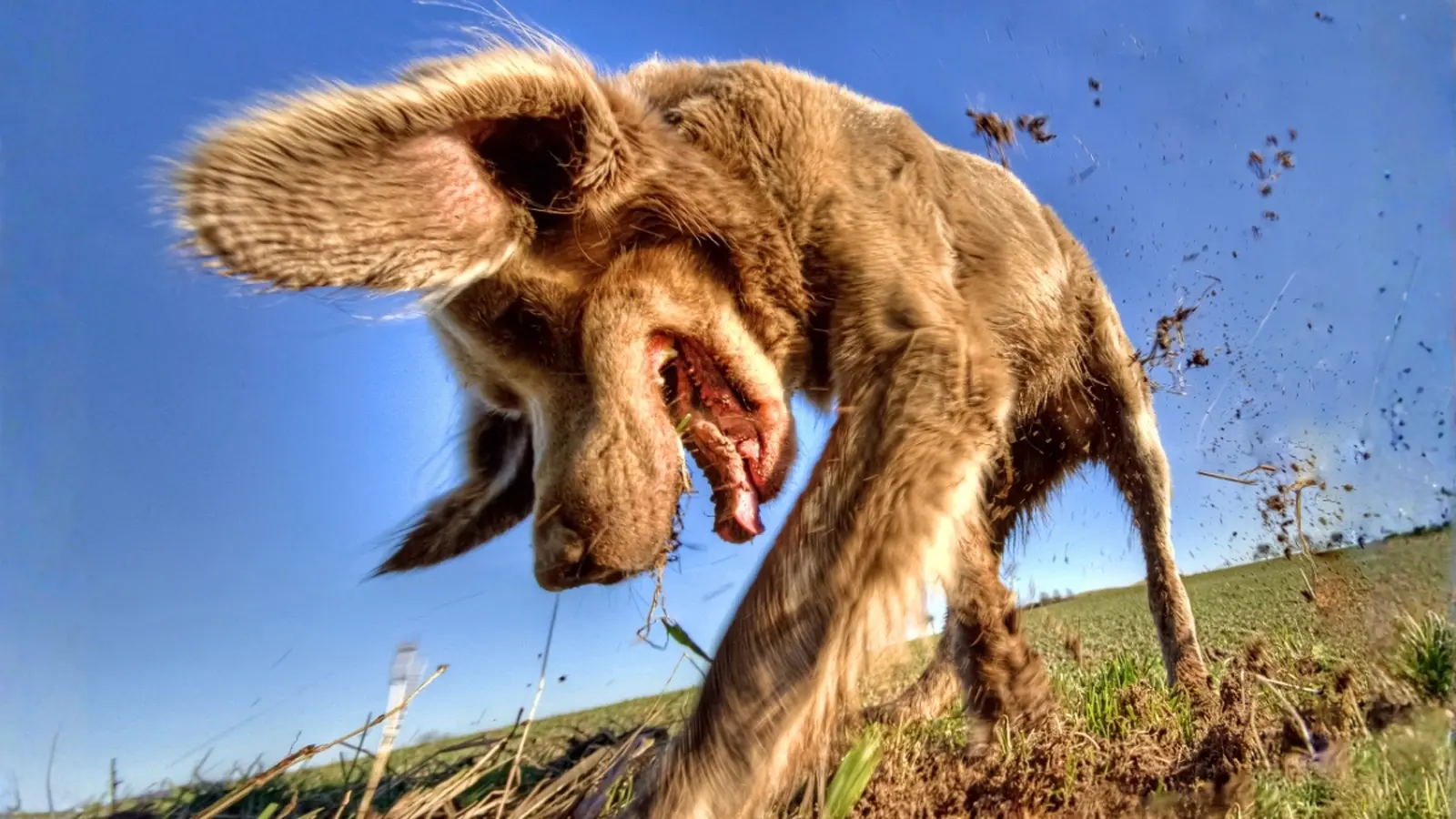
Have you ever watched your dog nudge a prized chew under a sofa cushion, tuck a treat beneath a blanket, or bury a bone in the yard — and wondered why? This familiar, sometimes frustrating behavior isn’t mischief or paranoia. It’s an echo of wild ancestors, a blend of inherited instincts and learned responses that tells us a lot about canine cognition and well-being.
What is caching — and why do dogs do it?
Scientists call the practice of hiding or storing food "caching." Across the animal kingdom, caching is a common survival tactic: squirrels stash nuts, corvids tuck away seeds, and wild canids like foxes and wolves bury meat. There are two main strategies. Larder hoarding concentrates reserves in one or two big caches, while scatter hoarding spreads small caches across many locations to lower the risk of losing everything to competitors. Domestic dogs inherit these strategies from their canid ancestors.
When a dog hides a toy or a treat, it’s not imagining an impending famine. Rather, it’s following an ingrained foraging program shaped by evolutionary pressures. Modern dogs rely on a mix of scent cues and spatial memory to relocate their hidden items — abilities rooted in olfaction and hippocampus-based navigation that researchers study in behavioral ecology and ethology.

Instinct, experience and individual differences
Not every dog caches with the same intensity. Breed history, past experiences, and current environment all shape the behavior. Terriers, hounds, and other breeds selected for independent hunting or high prey drive are more likely to display caching-like habits. Likewise, dogs that spent time as strays or experienced food scarcity earlier in life often cache more frequently — a coping pattern that reflects learned scarcity responses layered on top of instinct.
Think of caching as a behavioral composite: instinct supplies the template, experience tunes the frequency, and immediate context (a household with other pets, the presence of people, the type of treat) determines when and where the dog will hide something. Sometimes the behavior looks comical; other times it can create household friction when toys or shoes go missing.
Is hiding items a sign of anxiety or resource guarding?
Hiding per se is not a reliable indicator of clinical anxiety. But specific forms of hiding — especially when paired with growling, stiffening, or aggressive displays — can be part of resource guarding, where a dog defends valued items from perceived rivals. That’s a safety issue and a valid reason to consult a veterinarian or certified animal behaviorist.
Often, what owners interpret as "problem behavior" is simply a normal dog need for foraging, chewing, or private space. Rather than punish the caching instinct, the more effective route is to provide structured outlets that satisfy the underlying drives.

Practical strategies: channel the instinct constructively
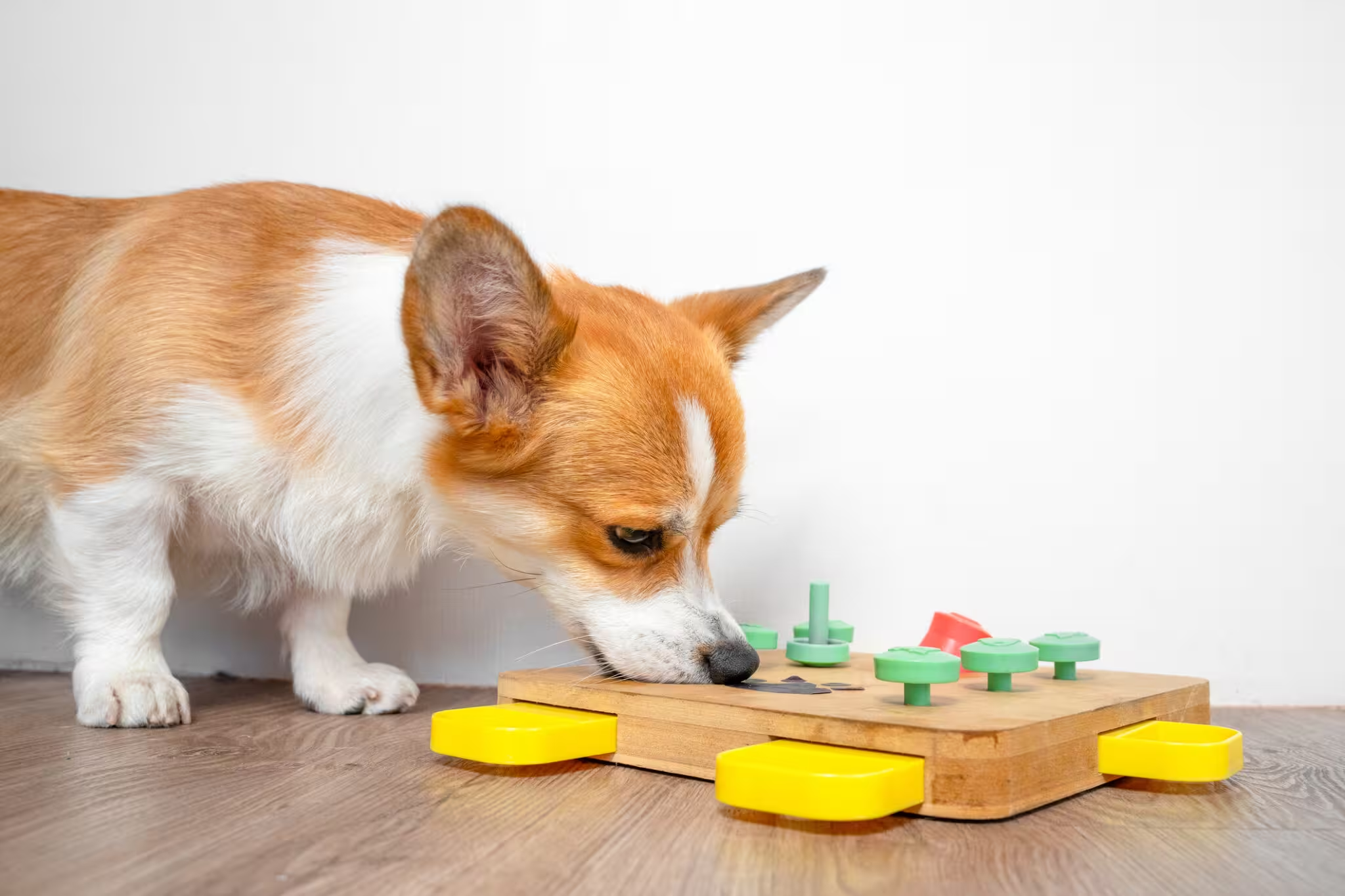
To reduce unwanted hiding and keep your dog mentally and physically healthy, give them alternatives that mimic natural foraging and problem-solving:
- Interactive puzzle feeders and slow-feeding bowls that require the dog to work for kibble or treats.
- Snuffle mats and foraging toys where food is concealed in fabric folds or compartments.
- Chew-appropriate items and multiple toys in multi-dog households to reduce competition.
- Physical separation during mealtimes — gates or separate rooms — if resource guarding or competition is present.
These tools use principles from behavioral enrichment and applied ethology: they reduce boredom, satisfy the urge to forage, and lower stress. Training that rewards calm behavior around valued items, coupled with management strategies (e.g., supervised access, rotating toys), can also decrease possessive reactions.

Scientific background: memory, scent and the brain
Research on caching draws on neuroscience and behavioral ecology. Scatter hoarders, for example, demonstrate impressive spatial memory: they remember dozens of cache locations and use olfactory traces to retrieve items even after long intervals. In dogs, scent remains the dominant modality — their noses provide rich, persistent markers that guide them back to hidden objects. The hippocampus, a brain region involved in spatial navigation, helps encode the location details.
Studies comparing domesticated dogs to wolves and foxes reveal both continuity and divergence. Domestication has shifted many social and attentional traits in dogs, increasing their orientation toward humans. Yet the underlying foraging circuits and memory systems that support caching persist, showing how evolutionary history continues to shape everyday behavior.
Expert Insight
"Caching is a window into the canid mind," says Dr. Elena Marquez, a canine ethologist at the University of Barcelona. "Even after thousands of years of domestication, dogs retain adaptive strategies for managing scarce resources. When owners provide safe, enriching alternatives that tap into those same strategies — like puzzle feeders or supervised foraging games — the behavior becomes an asset rather than a nuisance."

If your dog’s hiding behavior includes aggressive signals, or if it suddenly increases after a life change, seek professional guidance. A veterinarian can rule out medical causes and refer you to a certified behaviorist who can design a targeted plan. Otherwise, the next time your dog buries a treat in the house, you can smile: they’re practicing an ancient survival tactic, repurposed for modern life. With the right enrichment and management, that instinct can enrich their days and reduce household friction.












Leave a Comment
Comments (2)
Makes sense but is it really about memory or just scent? My beagle buries everything then forgets where he put it... if that's real, how do you train it?
Wow, didn't realize my labrador was basically following wolf instincts. So wild. Kinda makes me feel better about the missing socks tho lol curious if age matters