
5 Minutes
Astronomers using a smart mix of space-based star tracking and Subaru Telescope imaging have uncovered two rare companions: a massive exoplanet and a brown dwarf. These discoveries, the first from the OASIS survey, not only expand the census of directly imaged substellar objects but also deliver a crucial target for NASA's Roman Space Telescope technology tests.
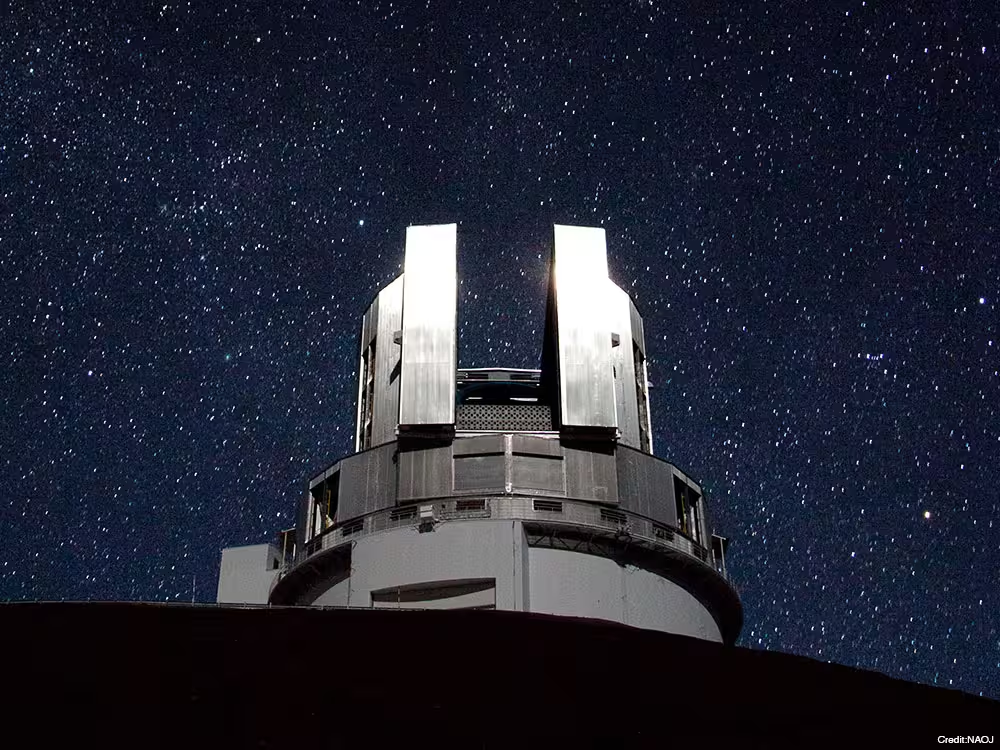
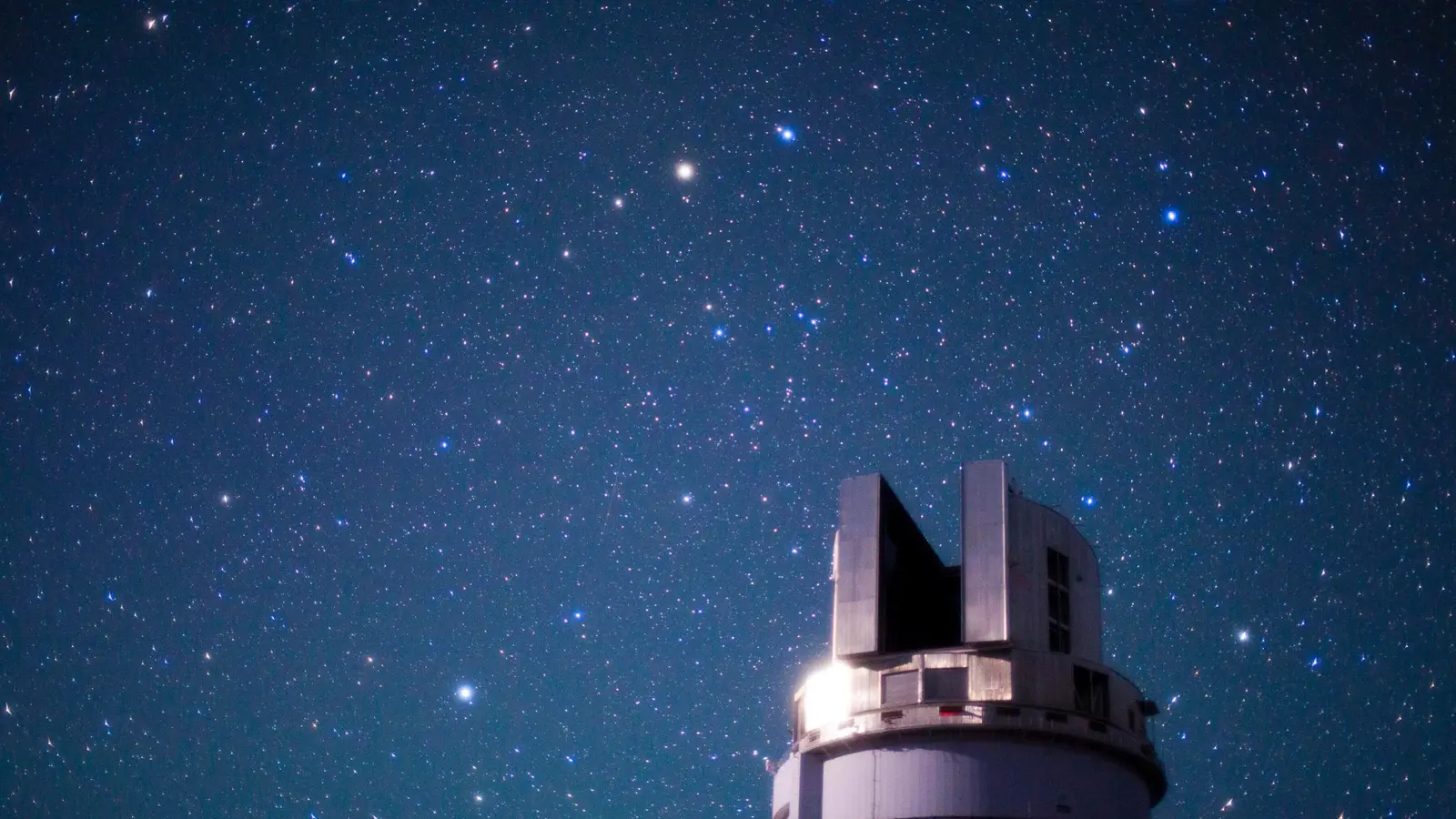
The Subaru Telescope is an 8.2-meter optical-infrared telescope located on Maunakea in Hawaiʻi, designed for high-resolution and wide-field astronomical observations. Its advanced instruments, such as adaptive optics and powerful imaging cameras, enable detailed studies of planets, stars, galaxies, and the large-scale structure of the universe.
How OASIS finds worlds hidden in plain sight
Directly photographing exoplanets and brown dwarfs is difficult because these objects are vastly fainter than their host stars and sit extremely close to them on the sky. Even young, self-luminous giant planets—still hot from formation—are easily drowned out by starlight. Historically, only about 1% of stars have yielded companions bright enough for current telescopes to image directly.
OASIS (Observing Accelerators with SCExAO Imaging Survey) takes a different tack. It starts with precision astrometry from ESA's Hipparcos and Gaia missions, searching for subtle deviations in stellar motion that betray the gravitational tug of an unseen companion. Stars flagged by these space-based measurements become high-priority targets for Subaru's Coronagraphic Extreme Adaptive Optics system, SCExAO, which suppresses starlight and sharpens images enough to reveal faint companions at small separations.
Two new companions: a heavy planet in Leo and a brown dwarf in Bootes
The first OASIS success is HIP 54515 b, a giant planet orbiting a star about 271 light-years away in the constellation Leo. With a mass close to 18 times that of Jupiter, HIP 54515 b sits at approximately Neptune-like distance from its star. From Earth the pair are extremely close in angle—about the apparent size of a baseball seen from 100 km—so detecting this planet required the exquisite contrast and resolution SCExAO provides.
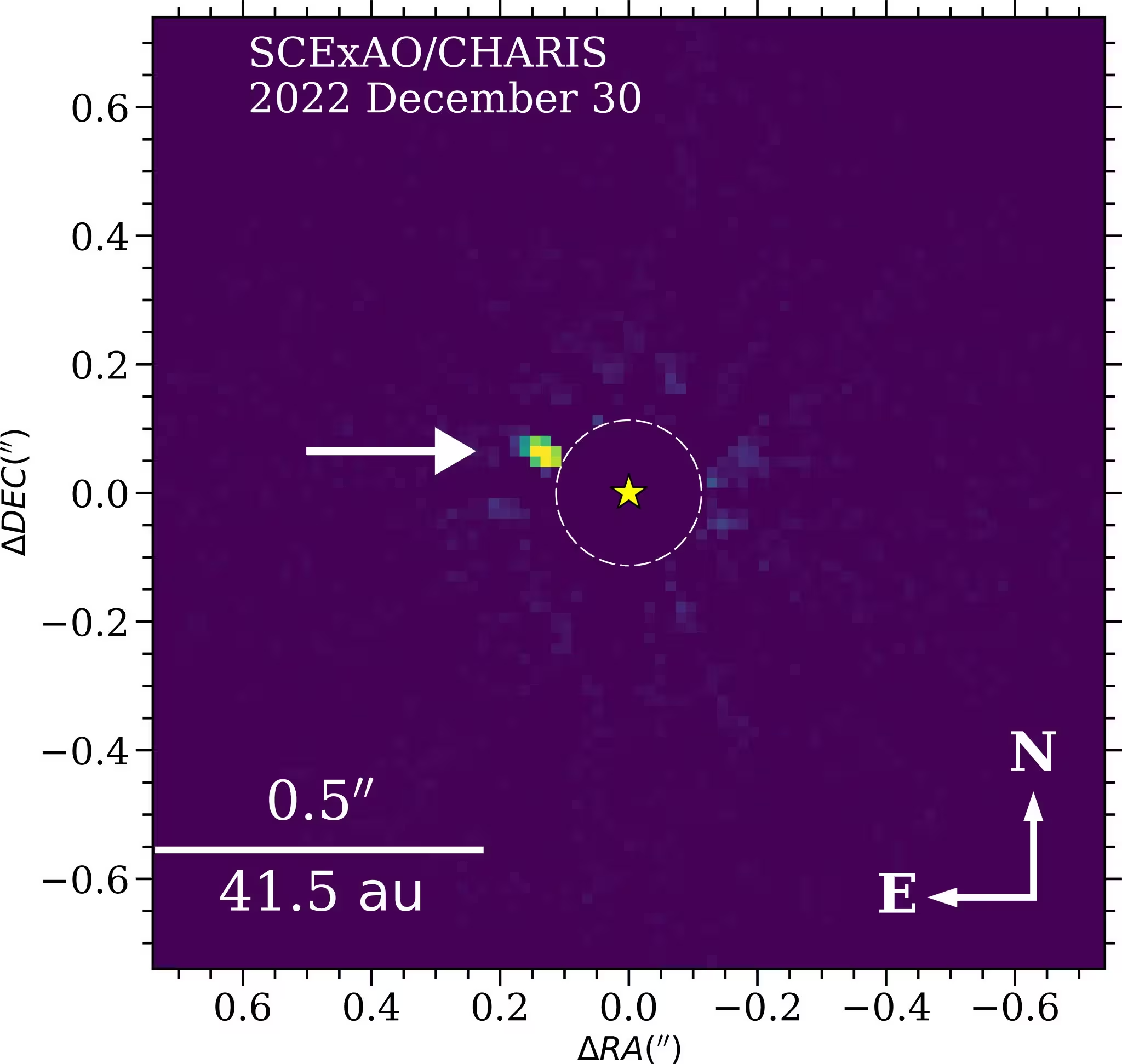
The Subaru Telescope image which led to the discovery of HIP 54515 b (indicated by the arrow). The planet’s host star has been blocked in this image. The star’s position is indicated by the star mark. The dotted line shows the outline of the mask used to block the star. Credit: T. Currie/Subaru Telescope, UTSA
The second discovery, HIP 71618 B, is a brown dwarf roughly 60 times the mass of Jupiter located about 169 light-years away in Bootes. Brown dwarfs form like stars but do not reach the core temperatures necessary for sustained hydrogen fusion; they bridge the mass gap between giant planets and low-mass stars. HIP 71618 B is notable for its brightness, proximity, and geometric configuration—traits that make it scientifically valuable beyond cataloging another substellar companion.

Why HIP 71618 B matters for the Roman Space Telescope
NASA's Nancy Grace Roman Space Telescope will host a coronagraph instrument as a technology demonstrator, intended to test methods for blocking starlight well enough to image planets billions of times fainter than their hosts. Prior to this finding, astronomers lacked a confirmed, well-characterized candidate that satisfied Roman's stringent requirements for such on-sky validation.
HIP 71618 B fills that gap. The system's star is bright and the brown dwarf sits at a separation and intrinsic contrast that will allow Roman's coronagraph to exercise its wavefront control and high-contrast imaging modes under realistic conditions. In short, this object is a practical rehearsal target for the techniques needed to someday image true Earth analogs around nearby stars.
What these discoveries teach us about direct imaging and exoplanet demographics
Finding two substellar companions with OASIS demonstrates the power of combining precise astrometry with ground-based high-contrast imaging. Gaia and Hipparcos narrow the search space by revealing stars whose motions imply companions; Subaru then delivers the direct detection. This tag-team approach boosts efficiency, helps populate the catalog of directly imaged massive companions, and supplies benchmark objects for atmospheric characterization with current and future instruments.
Beyond serving as targets for Roman, HIP 54515 b and HIP 71618 B provide snapshots of formation outcomes at the high-mass end of the planet–brown dwarf continuum. Studying their spectra and orbital dynamics will help astronomers test models for formation by core accretion versus gravitational instability, migration histories, and how mass and separation correlate in different stellar environments.
Technology and future prospects
SCExAO's success underscores the value of adaptive optics, coronagraphy, and post-processing in pushing direct imaging boundaries. Upcoming facilities—both ground-based Extremely Large Telescopes and space observatories like Roman—will build on this progress. Surveys that marry space astrometry and ground imaging are likely to produce more discoveries, improving target lists for spectroscopic follow-up and coronagraph demonstrations designed to reach ever higher contrasts.
Expert Insight
“This is precisely the kind of discovery pathway we wanted to test,” said Dr. Elena Marquez, instrument scientist for the SCExAO team. “Astrometry points us to where companions must be; Subaru gives us the eyes to confirm them. Finding HIP 71618 B as a Roman-ready target is a major step toward validating the coronagraph techniques we need to image smaller, fainter worlds in the future.”
As OASIS continues, more hidden giants and failed stars are likely to surface, each offering new constraints on planetary system architectures and providing practical targets for technologies that aim to image Earth-like exoplanets one day.
.webp "NASA Confirms 6,000 Exoplanets: Mapping New Alien Worlds")








Leave a Comment
Comments (2)
Is HIP 54515 b really ~18 Jupiters? At Neptune-like distance, seems odd. If thats real then how did it get there, migration? selection bias maybe
Wow, HIP 71618 B as a Roman test target? That's wild, love the clever astrometry + Subaru tag team. Hyped but curious about followup spectra, pls