

4 Minutes
New long-term research in rhesus monkeys suggests that a modest, sustained reduction in calorie intake—around 30 percent—may slow age-related damage in the brain. The study links calorie restriction to healthier myelin, the insulating layer that helps neurons communicate quickly and resists wear over time.
Why myelin matters for aging brains
Myelin is the fatty sheath that wraps axons, the long projections neurons use to send signals. Think of it as biological insulation: it boosts signal speed and shields fragile wiring. With age, myelin degrades and repair mechanisms falter, contributing to slower cognition and increased neuroinflammation—processes implicated in Alzheimer’s and other neurodegenerative diseases.
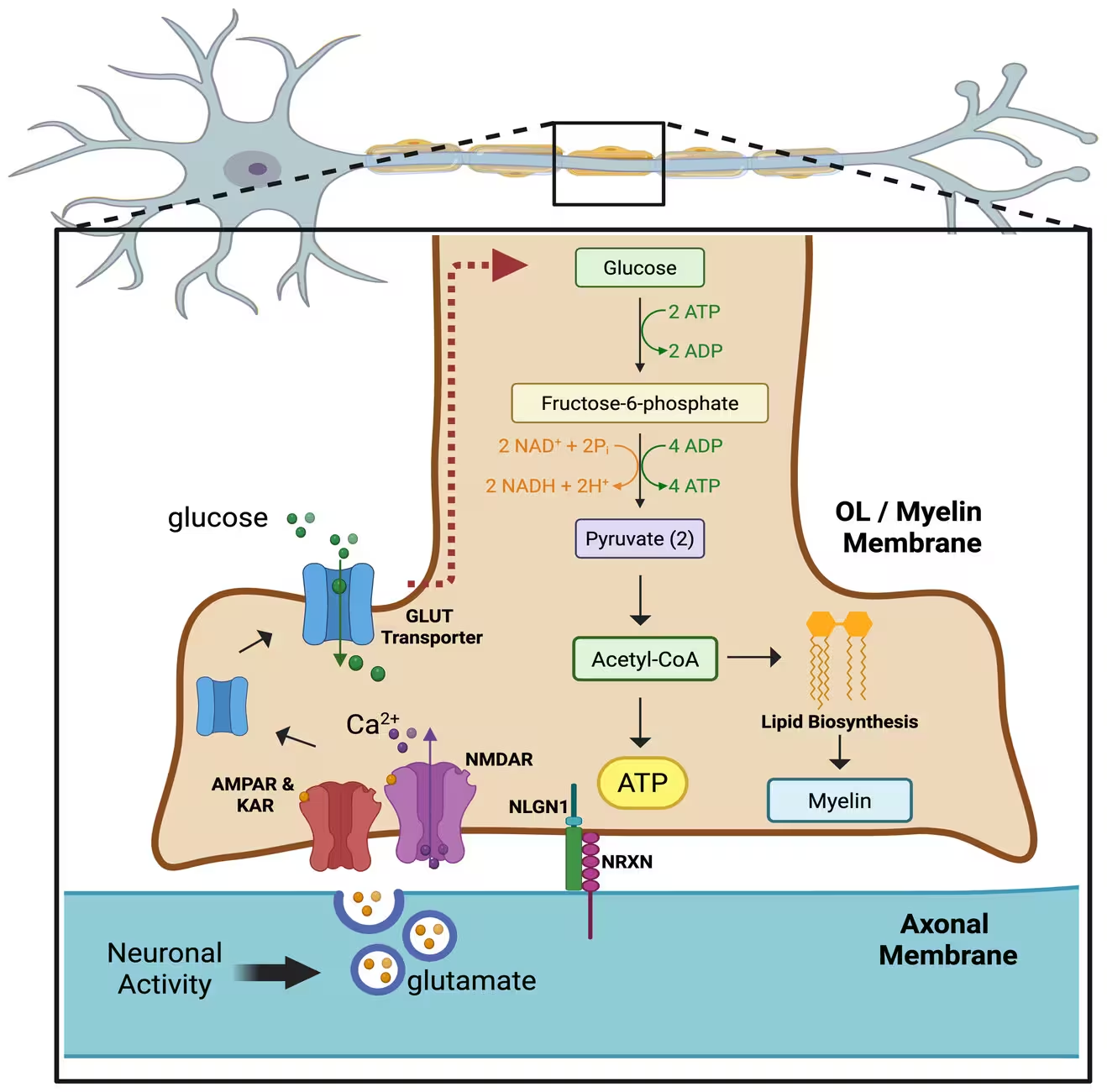
Illustration showing how active neurons signal to oligodendrocytes to produce myelin
Two-decade diet experiment in rhesus monkeys
Researchers from Boston University examined brains from 24 rhesus macaques (Macaca mulatta) that had followed different diets for more than 20 years. Half of the animals ate a standard diet, while the other half were kept on a calorie-restricted regimen that reduced intake by roughly 30 percent.
When scientists analyzed brain tissue, they found clear molecular and cellular signs that myelin health was better preserved in animals on the reduced-calorie plan. Genes linked to myelin production were more active, metabolic pathways supporting myelin maintenance performed better, and the glial cells responsible for forming and repairing myelin—oligodendrocytes—appeared more efficient.
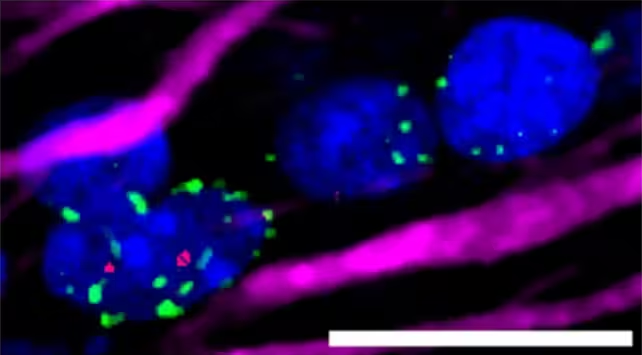
Microscope image showing healthy signs of oligodendrocytes (nuclei stained blue) producing a protective myelin sheath for nearby nerve cells (magenta). White scale bar is 20 μm.
What the findings mean for brain aging and disease

By nudging the body's metabolism into a more efficient state, calorie restriction is thought to reduce cellular wear and tear. In this study, that metabolic shift seems to have translated into preserved myelin structure and function, potentially lowering the inflammatory cascade that accelerates cognitive decline.
Boston University neurobiologist Ana Vitantonio, who led the study, notes that calorie restriction is already a well-documented intervention for slowing biological aging in short-lived models. This work provides rare, long-term evidence suggesting similar protective effects on the brains of a primate species that shares important similarities with humans.
Co-author Tara Moore adds that maintaining myelin could have direct implications for cognition and learning because intact myelin helps preserve fast, accurate neural communication.
Study caveats and real-world context
Important limitations remain. The sample size was small—24 animals—and rhesus monkeys are an imperfect but informative model for human biology. Translating a strict, decades-long 30 percent calorie reduction into human lifestyle recommendations is complicated: adherence, nutrient balance, and long-term risks must be considered.
Moreover, diet is only one piece of the brain-health puzzle. Sleep quality, cognitive stimulation such as learning new languages, physical exercise, and vascular health all influence how our brains age. Future human studies will need to weigh these factors and evaluate whether less drastic or intermittent energy restriction can provide similar benefits without adverse effects.
Broader implications and next steps
The link between myelin breakdown and neurodegenerative disease has come into sharper focus in recent years. Imaging studies in people with rapid cognitive decline show signs consistent with myelin loss; this primate study adds a potential intervention route to the conversation. If calorie restriction or calorie-patterned diets can slow myelin deterioration, clinicians could one day combine dietary approaches with drugs or lifestyle measures to protect vulnerable neural circuits.
Researchers recommend careful follow-up studies in humans and in larger cohorts of animals to define safe, effective dietary strategies. They also plan to probe how calorie reduction affects specific metabolic pathways and the capacity of oligodendrocytes to repair myelin after injury.
Expert Insight
"These results are exciting because they connect a manageable metabolic intervention to a precise cellular target—myelin," says Dr. Elena Morales, a neuroscientist specializing in aging brain metabolism. "But practical application requires nuance: total calorie load, nutrient density and individual health status all matter. We need clinical trials that test realistic, sustainable approaches for people rather than extreme regimens."

In short, cutting calories by about 30 percent in a controlled, long-term setting preserved molecular signs of myelin health in rhesus monkeys—offering a promising lead on how dietary habits could influence human brain aging. The path ahead involves translating these findings into safe, evidence-based recommendations for people and exploring whether less severe or intermittent fasting strategies produce comparable protective effects.












Leave a Comment
Comments (2)
whoa, monkeys on less calories and better myelin? mind blown. curious if intermittent fasting or milder cuts could do same for ppl. hmm
30% cut for 20 years? sounds extreme, how did they keep nutrients balanced and stress low, results promising but i'm skeptical. details pls