
6 Minutes
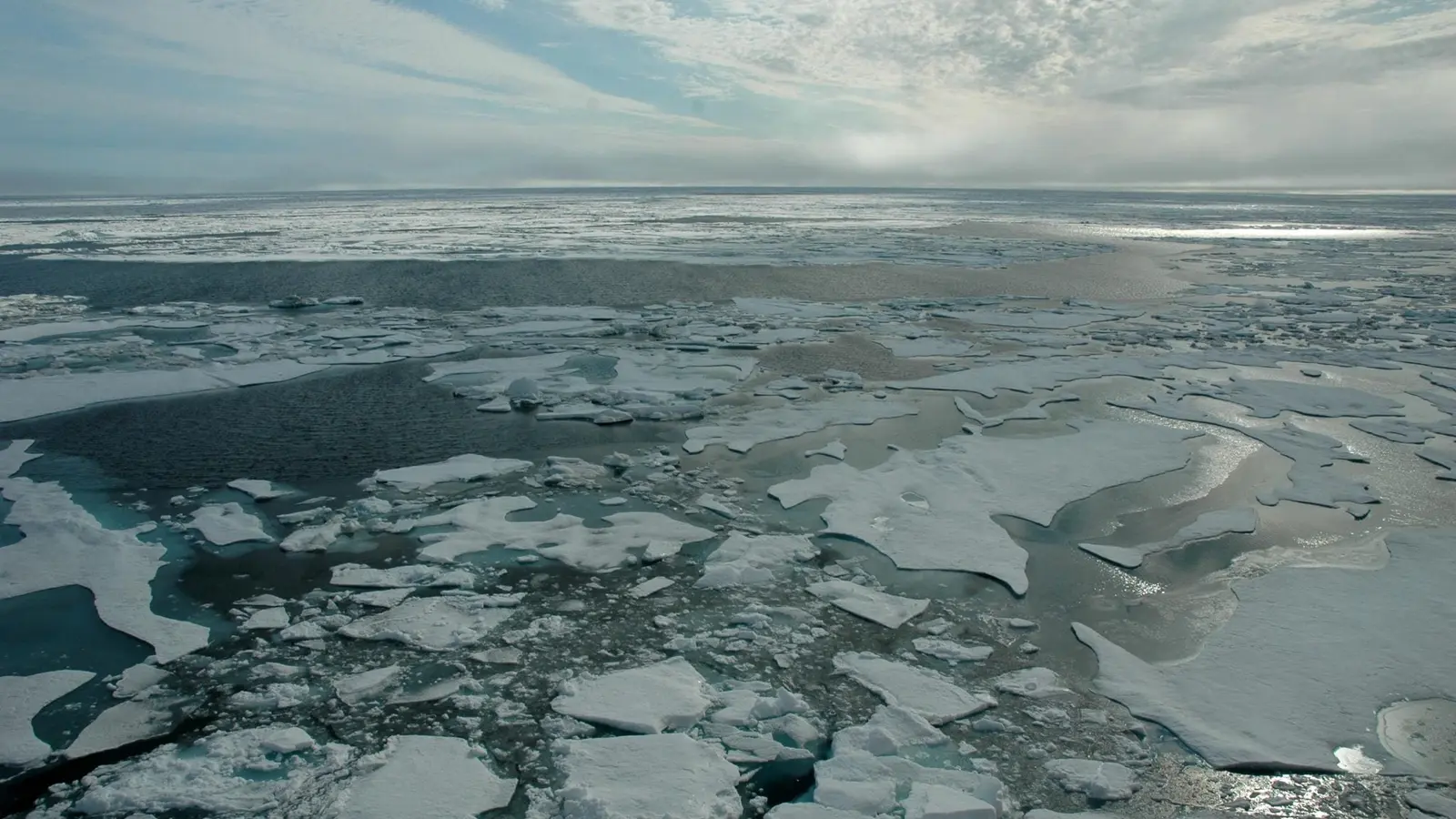
Scientists have discovered an unlikely timekeeper for Arctic sea ice: microscopic particles from space. By tracking traces of cosmic dust preserved in seafloor sediments, researchers reconstructed 30,000 years of sea-ice history and found links between ice loss, nutrient changes, and ecosystem consequences that could reshape the future Arctic.
Cosmic dust: an unexpected archive of ice cover
Certain particles from space rain down on Earth constantly. When sea surface is open, these extraterrestrial grains settle to the seafloor and become trapped in sediment layers. But when sea ice covers the ocean, it acts as a shield, blocking dust from reaching the bottom. That simple difference—dust present versus dust absent—lets scientists infer whether a region had open water or persistent ice at various times in the past.
In a University of Washington-led study published in Science, oceanographer Frankie Pavia and colleagues analyzed sediment cores from three Arctic sites that cover a range of modern ice conditions: year-round pack ice near the pole, the seasonal minimum edge, and a location that has shifted from perennial ice toward seasonal open water since 1980. By measuring cosmic dust in these cores, the team effectively extended our observational record far beyond the satellite era.
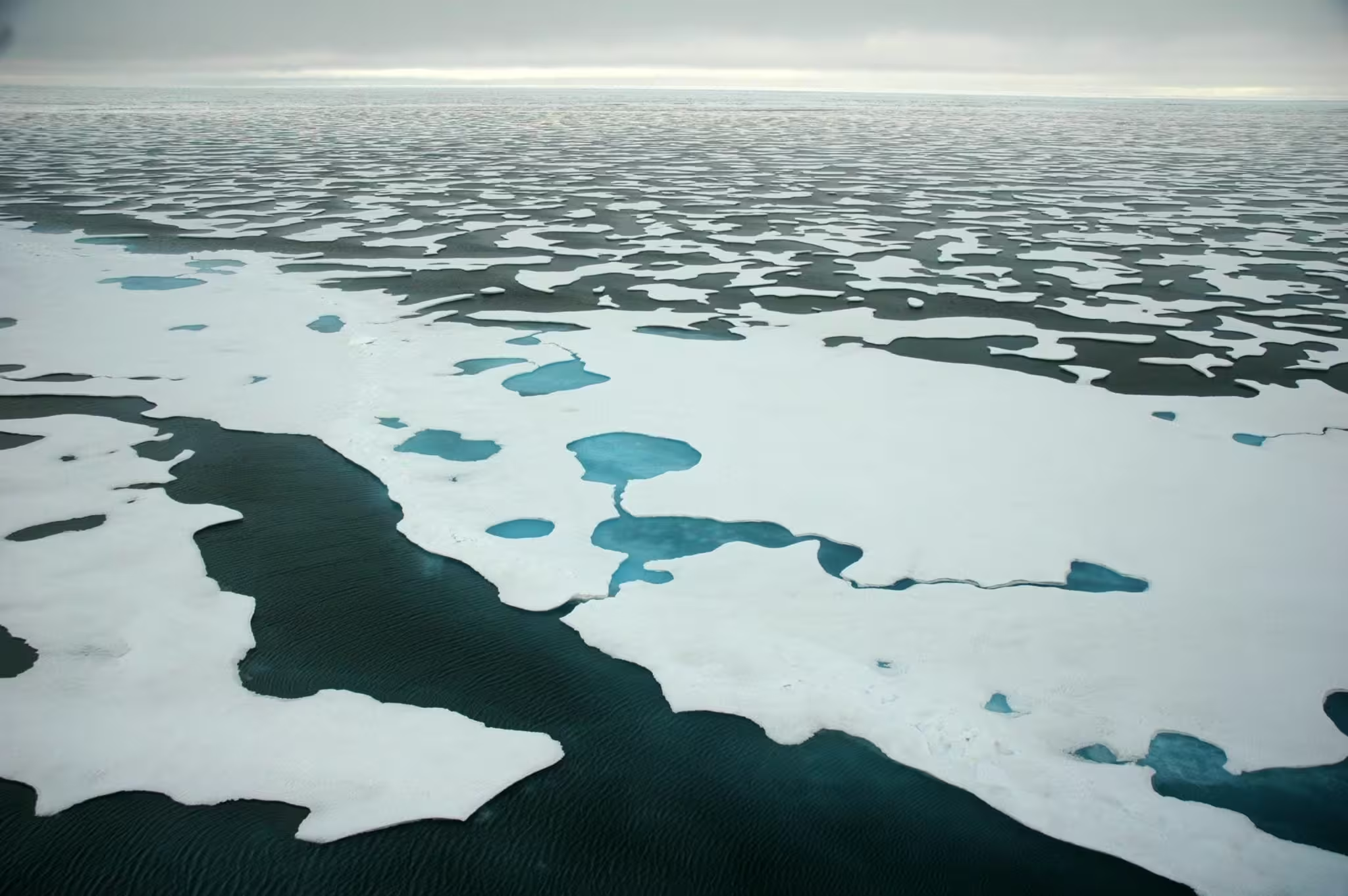
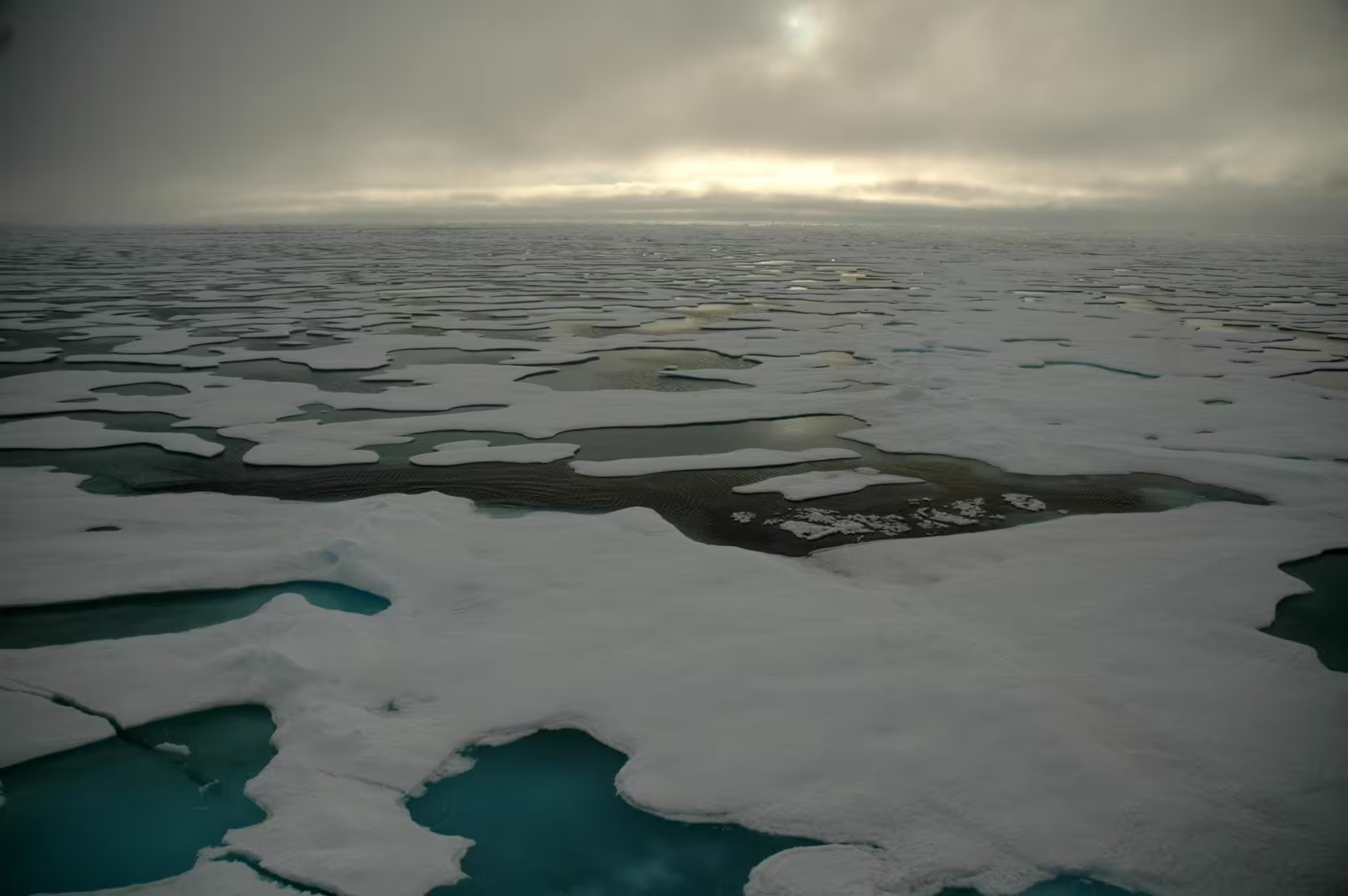
Ice coverage in the Arctic sea is rapidly declining, which causes the remaining ice to melt faster and alters nutrient availability. In a University of Washington-led study, researchers demonstrate how extraterrestrial particles can help reconstruct ice conditions over the past 30,000 years. Credit: Bonnie Light/University of Washington
Helium-3: the fingerprint that separates space from Earth
Not all particles are equal. Many cosmic grains carry a distinctive signature: helium-3, a rare isotope that accumulates on dust formed from comets, asteroids, or exploded stars as they travel through the inner solar system. That helium-3 signal differentiates extraterrestrial material from ordinary Earth-derived sediment.
Finding a needle in the haystack
"It's like looking for a needle in a haystack," Pavia said. The background accumulation of marine and terrestrial sediment can be fast, so extracting the faint helium-3 trace demands precise measurements and carefully dated cores. Where helium-3 is virtually absent, the inference is clear: sea ice must have been persistent enough to block incoming dust.
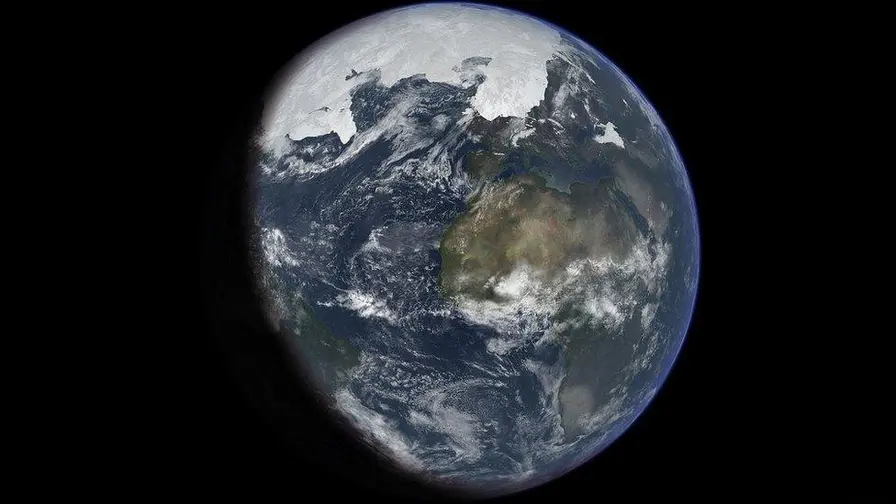
The team found long stretches—most notably during the Last Glacial Maximum around 20,000 years ago—when cosmic dust was largely missing from Arctic sediments, consistent with expanded and thicker ice. As global temperatures rose and ice retreated, helium-3-bearing dust began to reappear in the cores, marking transitions to more open-water conditions.
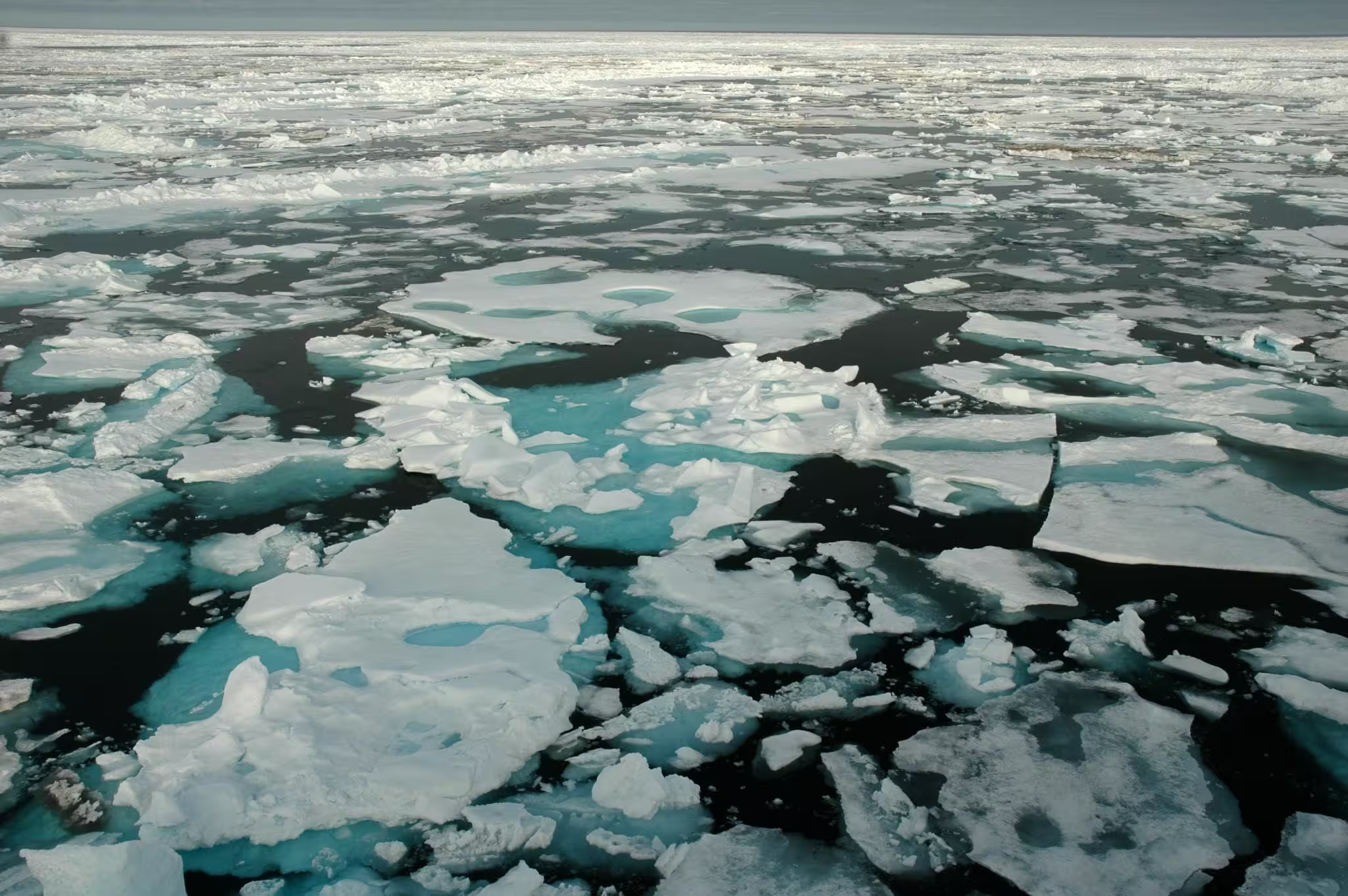
Arctic sea ice has thinned and retreated by more than 42% since 1979, exposing more dark ocean that absorbs heat and accelerates warming. Scientists warn this trend could lead to ice-free summers within the coming decades. Credit: Bonnie Light/University of Washington
Ice loss, nutrients, and the changing Arctic food web
Dust signals alone tell a story about ice cover. To understand biological consequences, the researchers compared the dust-derived ice history with chemical tracers from tiny planktonic organisms called foraminifera. These single-celled animals build calcium carbonate shells that record the chemistry of the waters where they lived, including indicators of nitrogen use—a proxy for how much available nutrients phytoplankton consumed.
The pattern was striking: periods with lower sea ice corresponded to higher nutrient consumption, while expanded ice coincided with lower nutrient uptake. In plain terms, when more open water appears, phytoplankton appear to consume more of the available nutrients, potentially increasing primary productivity at the surface.
Why does this matter? Phytoplankton sit at the base of the marine food web. Changes in their abundance, timing, and nutrient demand cascade upward, affecting zooplankton, fish, marine mammals, and ultimately human fisheries and coastal communities. Increased productivity might sound beneficial, but it can also shift species composition, alter carbon export to the deep ocean, or create seasonal mismatches between predators and prey.
Two competing mechanisms
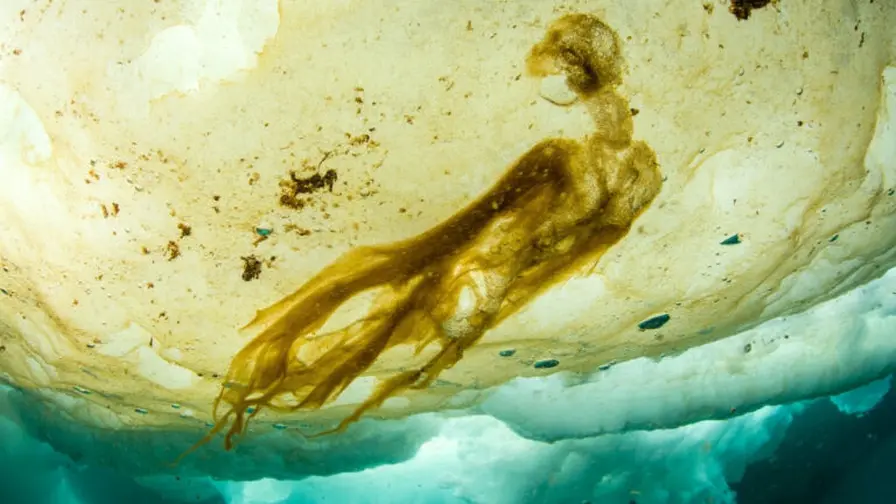
The researchers outline two plausible drivers behind the observed shift in nutrient use. First, reduced ice cover increases light availability and extends the growing season, boosting photosynthesis and genuine increases in productivity. Second, melting ice can dilute surface nutrient concentrations, which paradoxically can make the same amount of phytoplankton consume a greater fraction of what's available—an apparent increase in consumption without an absolute rise in productivity.
Distinguishing between these mechanisms matters for forecasting: a true productivity increase could bolster some fisheries but shift community structure, while dilution-driven changes might signal less stable ecosystems and altered nutrient transport.
Wider implications for climate and policy
The study reinforces the fast pace of recent Arctic change: satellite records show more than a 42% decline in summer sea-ice area since consistent observations began in 1979. Cosmic dust reconstructions add context by showing how exceptional recent retreat is relative to thousands of years of variability. That context helps modelers test projections of ice-free summers later this century and gives governments and communities better lead time for adaptation.
There are geopolitical and economic stakes as well: shifting ice opens new shipping lanes, access to resources, and challenges for indigenous communities who depend on stable ice. Understanding the timing and regional patterns of ice loss informs fisheries management, conservation planning, and international cooperation in the Arctic.
Expert Insight
"Using extraterrestrial dust as a sentinel for past sea-ice extent is an elegant solution to a thorny problem," said Dr. Lena Ortiz, an Arctic oceanographer not connected to the study. "It gives us a much longer lever arm to detect abrupt changes and helps clarify whether biological changes are driven by light-driven productivity or dilution effects from melting. Both have very different consequences for ecosystems and people."
Research that blends cosmochemistry, paleoceanography, and biology like this opens new routes for forecasting. As ice continues to retreat, these multi-disciplinary records will be essential to anticipate shifts in carbon cycling, fisheries, and Arctic livelihoods.

Cosmic dust carries a rare type of helium called helium-3, which helps scientists distinguish it from Earth-based sediment. Measuring this helium signature allows researchers to pinpoint when open water allowed dust to reach the seafloor. Credit: Bonnie Light/University of Washington
Looking ahead, scientists plan to expand sediment sampling across wider Arctic corridors, refine chronological controls, and combine dust records with satellite-era observations and ecosystem monitoring. Together, these data will help answer urgent questions: How fast will ice-free summers arrive? Which regions will experience the biggest biological shifts? And how should communities adapt to a rapidly changing polar environment?







Leave a Comment
Comments (2)
Is helium‑3 foolproof tho? sounds clever but I'm skeptical — sediment mixing, local inputs, dating errors could muddy it. need more sites, fast
Wow, cosmic dust as an ice clock? wild idea. If helium-3 really maps open water over 30k yrs this could upend models, but also kinda terrifying…