
3 Minutes
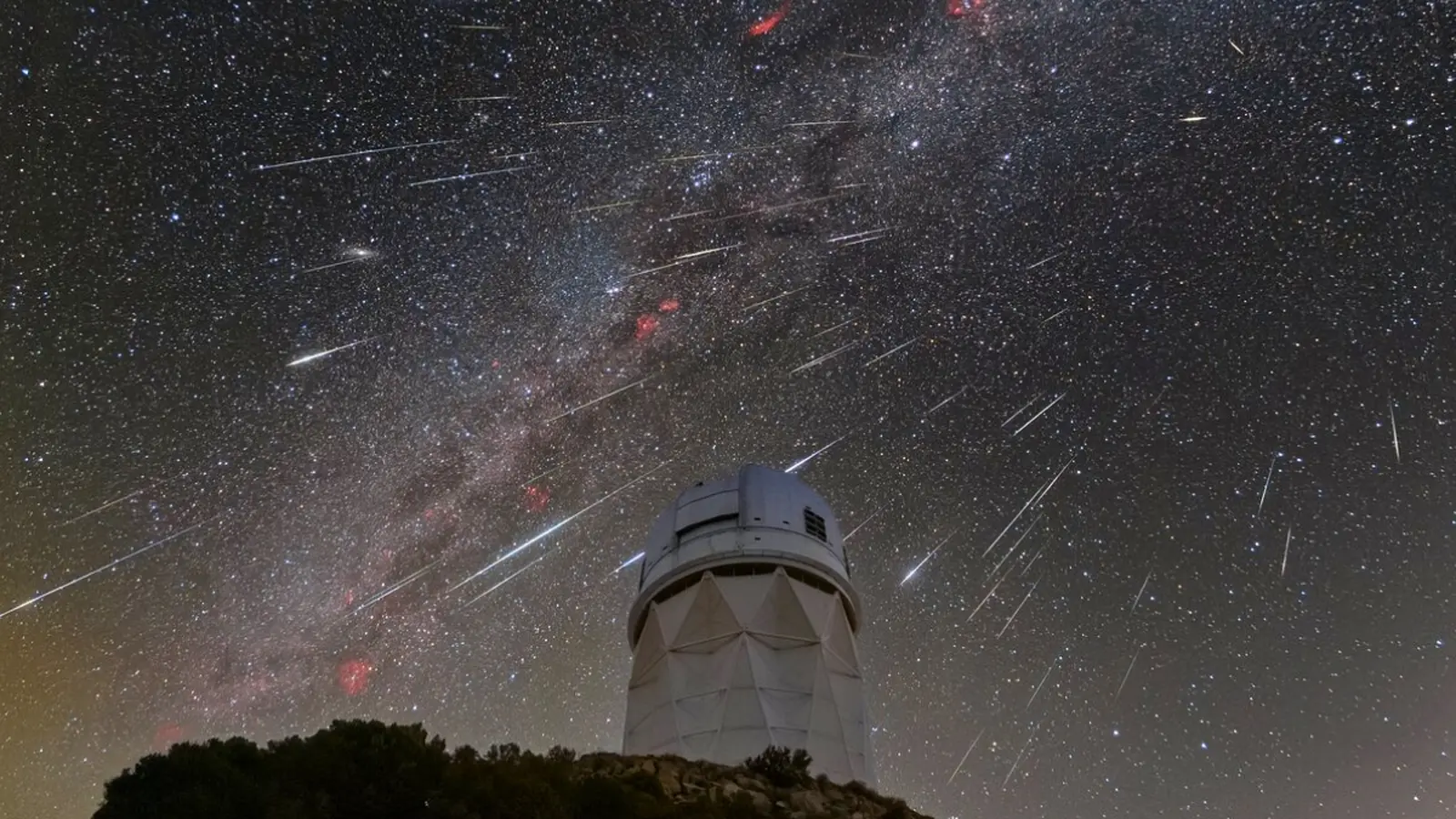
December brings the northern hemisphere's brightest annual meteor display: the Geminids. This shower often outshines the better-known Perseids and, in 2025, should reach its peak under a faint crescent moon—making it one of the best opportunities this season to see dozens of colorful meteors streak across the sky.
Why the Geminids stand out
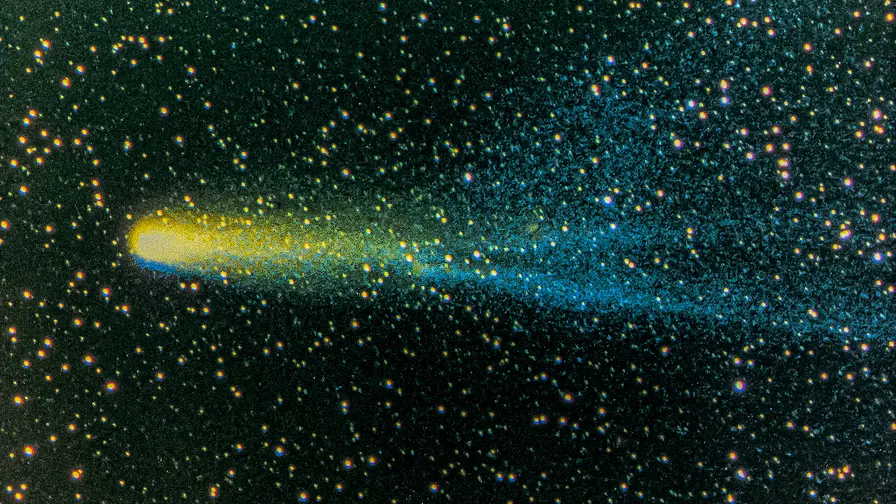
The Geminid meteor shower is unusual because its parent body, 3200 Phaethon, behaves like both an asteroid and a comet. As Phaethon travels on an elongated orbit that crosses Earth’s path, it sheds dust and rocky fragments. When our planet plows through that debris stream, particles slam into the atmosphere at high speed and glow as meteors.
Unlike many fast, thin meteors, Geminids are typically bright and often show vivid colors—white, yellow, blue, and sometimes green—making them especially rewarding for casual viewers and photographers alike. They also move at a relatively modest speed, which can produce longer-lasting streaks that are easier to follow with the naked eye.
When and where to look in 2025
This year the Geminids are predicted to peak on the night of Saturday, 13 December, into the early hours of Sunday, 14 December. The highest activity is expected around 08:00 UTC (03:00 EST). Under ideal conditions, observers might see up to 150 meteors per hour at the peak. Keep in mind that rates vary by location, local weather, and light pollution.
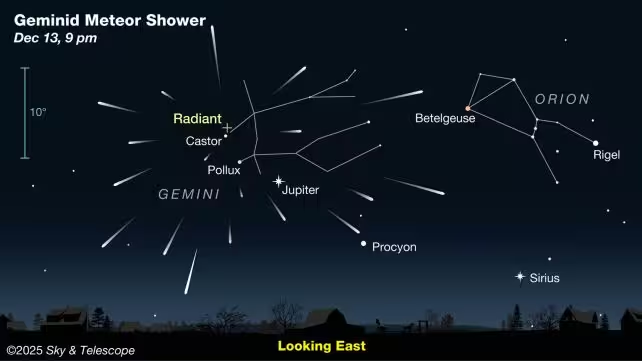
Find a dark, open viewing spot away from streetlights. Lie flat on your back or use a reclining chair, give your eyes 20–30 minutes to adapt to the dark, and scan a broad swath of sky; you don't need to stare at the radiant (near the constellation Gemini just above the star Castor) to enjoy the show—meteors will appear all over the sky.
Moon phase, timing, and practical tips
This year the Moon will be a waning crescent—around 26 percent illuminated—during the Geminid peak, so lunar glare should be minimal and won’t significantly wash out the brightest meteors. That makes the 13–14 December window particularly favorable.
- Dress warmly and bring blankets—temperatures can drop quickly while you wait.
- Arrive at least 30 minutes before your planned start time so your eyes can adapt to darkness.
- Use red-light torches if you need to check star charts or cameras; white light destroys night vision.
- No telescope or binoculars required—meteors are best seen with the naked eye.
Geminids versus other showers
Although the Perseids (August) attract more casual attention, many seasoned skywatchers rank the Geminids as the year's best meteor shower because of their sheer brightness and relatively high hourly rates. The Quadrantids, which peak in early January, can also be strong but often collide with a bright Moon; in 2026 the Quadrantid peak coincides with a full Moon, so the Geminids are likely the superior show this season.
“Although the Perseids, which arrive every August, are better known, the Geminids usually put on a better show,” says Diana Hannikainen, Editor in Chief at Sky & Telescope. “Just make sure to bundle up!”
Clear skies permitting, you can watch the nights surrounding the peak for plenty of meteors. Grab a blanket, find a dark horizon, and enjoy one of the most reliable and beautiful meteor displays of the year.







Leave a Comment
Comments
No comments yet. Be the first.