
2 Minutes
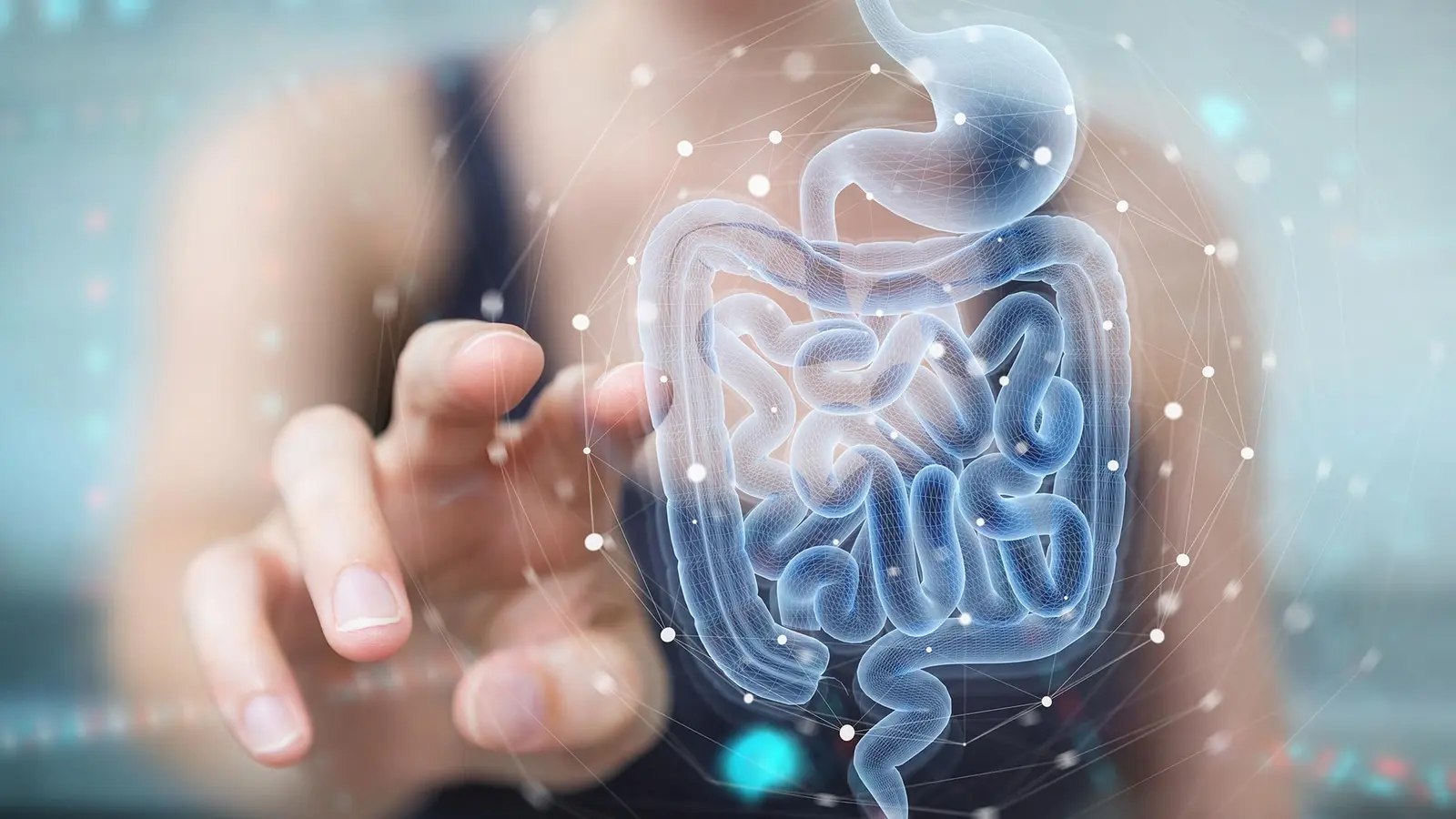
New research suggests tiny molecules produced by gut microbes act as signals that shape immune function and metabolic health. By nudging microbial chemistry through diet or targeted drugs, scientists hope to lower insulin resistance and reduce long-term diabetes complications.
Microbial molecules: small signals, big metabolic effects
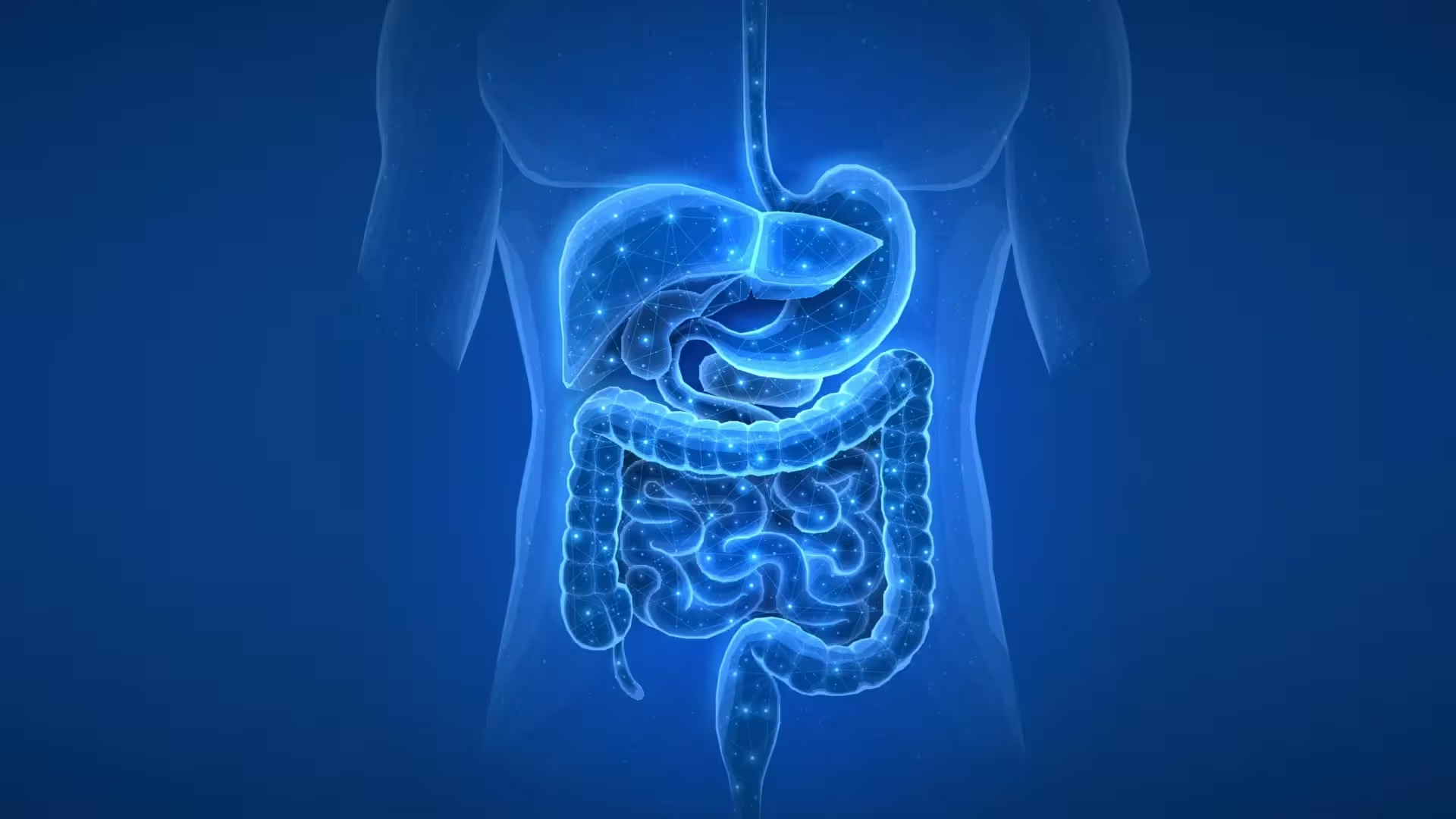
Gut bacteria create a wide array of metabolites — chemical messengers formed when microbes process food. One such class includes trimethylamine-related compounds (often abbreviated as TMA). These microbial products interact with the immune system and metabolic tissues, and emerging evidence links them to changes in insulin sensitivity.
Rather than treating diabetes only after it appears, researchers are exploring how shifting microbial signals could serve as preventive or therapeutic strategies. In other words, what our microbes produce may be as important as what we eat.
Steering the microbiome: diet, supplements and new drugs
There are several practical ways to alter microbial metabolism. Nutritional interventions — adjusting dietary precursors that microbes convert into TMA — can change metabolite profiles. Prebiotics and specific probiotics may encourage beneficial strains that produce protective molecules. Pharmaceutical approaches might selectively boost or mimic microbial signals without altering the whole microbiome.
These ideas remain experimental. Researchers stress the need for careful testing to ensure benefits outweigh risks, since microbial metabolites can have diverse effects depending on context and dose.
Why this matters for diabetes prevention
Insulin resistance is a key step on the path to type 2 diabetes and its complications. If altering microbial signals can reduce insulin resistance, the public-health implications are significant: lower rates of diabetes, fewer cardiovascular and kidney complications, and new personalized nutrition strategies.
As University of Louvain researcher Prof. Cani puts it, nutrition doesn’t just feed us — it shapes microbial chemistry, and some of those microbe-made molecules could help protect against metabolic disease. That perspective reframes food as both fuel and immune-metabolic signal.
Next steps and open questions
Ongoing studies will test specific dietary patterns, supplements, and targeted drugs in clinical trials. Key questions include the long-term safety of increasing particular metabolites, individual variation in microbial responses, and how to tailor interventions for people at different stages of metabolic risk.
For now, the take-home message is clear: the gut microbiome and its chemical signals are a promising frontier in diabetes prevention. Scientists are translating these molecular conversations into practical strategies — but evidence-based trials are needed before wide clinical use.











Leave a Comment
Comments
No comments yet. Be the first.