
5 Minutes
Researchers report that tiny, sub-psychoactive doses of a cannabis extract stabilized cognitive decline in people with mild Alzheimer’s disease in a first-of-its-kind clinical trial. The finding raises fresh questions about cannabinoids, ageing and new paths for dementia prevention — without the 'high' many associate with cannabis.
Why scientists looked at tiny doses of cannabis
As populations age worldwide, Alzheimer’s disease and related dementias are a growing public-health challenge. Current drugs offer limited benefits and no cure, so researchers are exploring novel approaches. One promising target is the brain's endocannabinoid system — a biochemical network involved in memory, inflammation and neuronal resilience that declines with age.
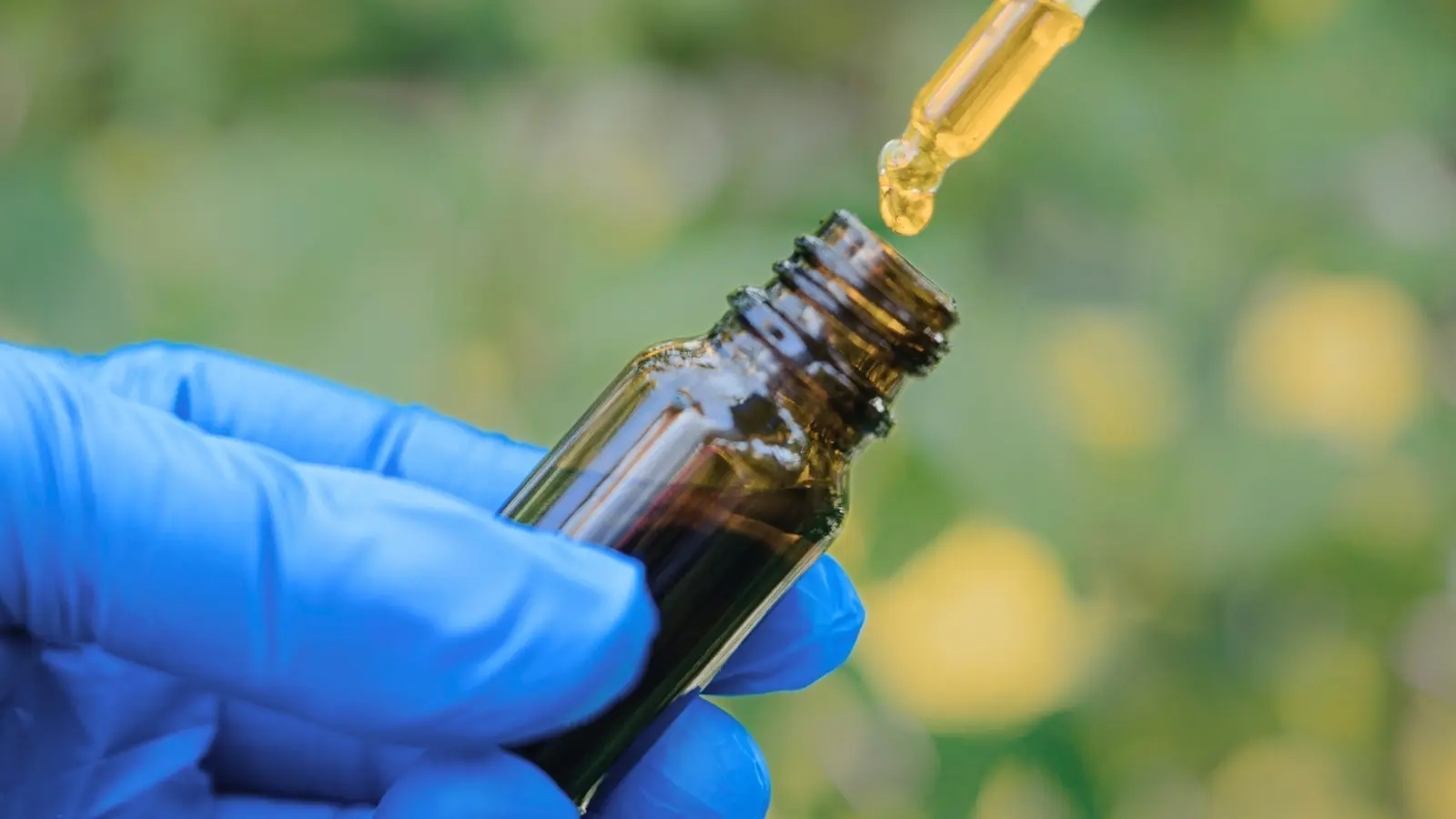
In this context, a small Brazilian clinical trial led by Professor Francisney Nascimento and colleagues at the Federal University of Latin American Integration (UNILA) tested the idea that minute daily doses of a cannabis oil, containing equal tiny amounts of THC and CBD (0.3 mg each), could influence cognition in older adults with mild Alzheimer’s disease. The dose level is well below the threshold that produces a psychoactive effect.
The trial: design, measures and results
Twenty-four volunteers aged 60–80, all diagnosed with mild Alzheimer’s, enrolled in a randomised, double-blind, placebo-controlled trial. The cannabis extract used in the study was donated by ABRACE, Brazil's largest patient association; the trial received no funding from cannabis companies.
Methods in brief
- Intervention: daily oral oil containing 0.3 mg THC + 0.3 mg CBD (microdose).
- Duration: 24 weeks of treatment and follow-up assessments.
- Primary cognitive outcome: Mini-Mental State Examination (MMSE), a widely used cognitive screening tool scored out of 30.
- Other assessments: scales for broader cognition (ADAS-Cog), mood, general health and quality of life; adverse events were recorded.
After 24 weeks the active-treatment group showed stabilization in MMSE scores, while the placebo group experienced modest decline. On average, patients receiving the microdose scored two to three points higher than placebo on the MMSE — a modest but clinically relevant difference in this population. Non-cognitive outcomes such as depression scores and quality-of-life measures did not change meaningfully, and adverse events were similar between groups.

Microdosing cannabis extract isn't frequently reported in the literature of clinical practice.
How could such a tiny dose work?
The biological rationale comes from animal studies. In 2017, researchers including Andreas Zimmer and Andras Bilkei-Gorzo showed that very low doses of THC restored cognitive performance and synaptic markers in aged mice, effectively reversing some age-related molecular changes in the hippocampus — a brain region central to memory.
Age reduces endocannabinoid signalling, leaving the ageing brain more vulnerable to inflammation, synaptic loss and cognitive decline. Cannabinoids can modulate inflammation and support neuroplasticity, and the UNILA team hypothesizes that repeated microdoses may tune the endocannabinoid system enough to protect memory circuits without altering consciousness.

Low doses of certain drugs may modulate key brain systems without altering consciousness.
Limitations and what the results do — and don’t — prove
This trial is pioneering but small. With only 24 participants and effects limited mainly to one cognitive measure, results should be regarded as preliminary. The study did not demonstrate disease modification (slowing underlying Alzheimer’s pathology) nor did it show improvements in mood or daily quality of life. Still, stabilising cognitive scores over six months is notable in a condition typically marked by steady decline.
Key steps needed next include larger randomized trials, longer follow-up, and incorporation of biological markers: neuroimaging to track brain structure and function, cerebrospinal fluid or blood biomarkers of amyloid, tau and inflammation, and pharmacokinetic data to understand how such low doses act over time.
Practical implications: prevention, perception and safety
One important barrier to therapeutic use of cannabis for older adults is cultural: fear of intoxication. This microdosing approach could sidestep that concern — providing potential neuroprotective benefits without the subjective 'high'. If replicated, it could lead to new low-dose formulations aimed at prevention or early-stage intervention for those with mild cognitive impairment or a family history of dementia.
However, clinicians and families should be cautious. Until larger trials confirm efficacy and safety, microdosing should not replace standard care or approved treatments. Regulatory, prescribing and quality-control frameworks will also be essential to translate research findings into clinical practice.
Expert Insight
"This trial is an intriguing proof of concept," says Dr. Mira Santoro, neurologist and researcher in neurodegenerative disease at the University of São Paulo. "The idea that sub-psychoactive cannabinoids can influence cognition without impairing consciousness challenges common assumptions about cannabis. But we need robust, multi-center studies with biomarkers to know whether we're slowing disease or just temporarily stabilising symptoms."
Dr. Santoro adds: "The safety signal here is encouraging, but small studies can miss rare adverse effects. Clinicians should follow the evolving evidence closely and patients should discuss any off-label use with their care team."
Where this research could lead
The study opens several avenues: developing standardized microdose formulations, combining cannabinoids with anti-inflammatory or disease-modifying drugs, and testing effects earlier in the course of cognitive decline. It also highlights the value of patient-driven initiatives — the extract donation by ABRACE made the trial possible — and the need for independent research funding to avoid conflicts of interest.

Ultimately, the most important question remains: can cannabinoids meaningfully slow Alzheimer’s progression? This trial marks a first step — a cautious, data-driven nudge toward new therapeutic strategies that leverage biology rather than stigma. Larger, longer and biomarker-rich trials will tell us whether microdosing cannabis is a viable tool in the fight against dementia.











Leave a Comment
Comments (2)
is this even true? 24 people is tiny, where are the biomarkers, longterm safety data? also curious about pharmaco- kinetics, lol 🤔
wow this caught me off guard… microdoses stabilising cognition? if true thats huge but sample tiny, need bigger trials, pronto