
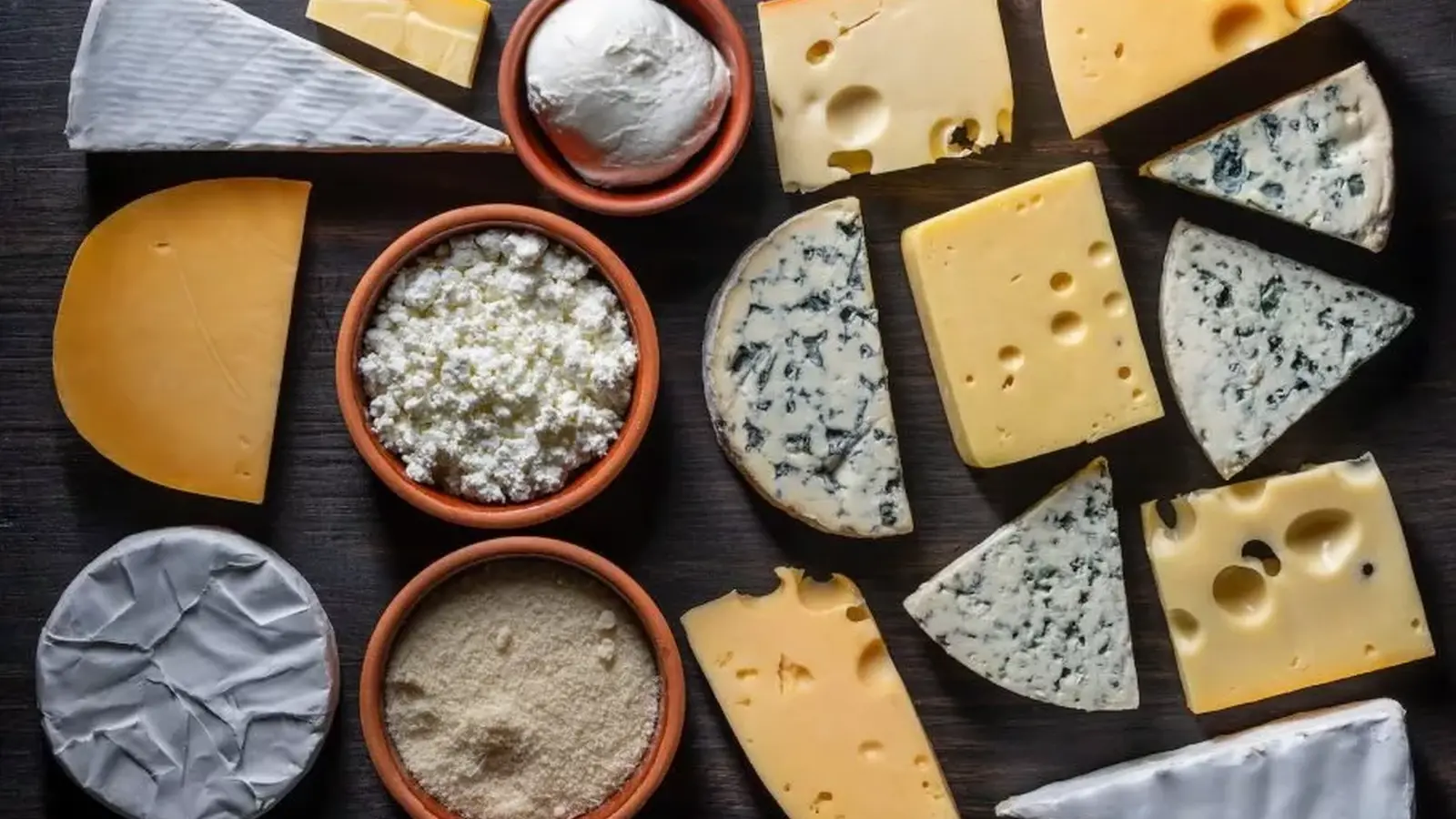
A long-term Swedish study suggests a surprising link: people who regularly ate full-fat cheese and cream had a lower risk of developing dementia over 25 years. Researchers say fermented, high‑fat dairy products may influence brain health in ways that skimmed milk and low‑fat dairy do not.
What the 25-year Swedish study found
Published in Neurology, the cohort study tracked nearly 28,000 adults in Sweden for 25 years. Investigators examined dietary patterns and medical records to identify dementia diagnoses. Participants who consumed at least 50 grams of full‑fat cheese per day showed a statistically lower overall risk of dementia. Similarly, those who averaged at least 20 grams of full‑fat cream daily also had reduced risk measures.
By contrast, researchers found no clear protective association for low‑fat cheese, low‑fat cream, butter, or milk (either full‑ or low‑fat). The pattern suggests that the potential benefit is linked specifically to certain full‑fat or fermented dairy products rather than to dairy fat in general.
Why full-fat fermented dairy might help the brain
Lead author Professor Emily Sunstedt of Lund University offered a possible explanation: "Fermentation produces bioactive compounds that can affect inflammation and blood vessels," she said. Fermented cheeses contain peptides and metabolites formed during aging—substances that may influence vascular health and chronic inflammation, both key in cognitive decline.

Dr. Richard Isaacson, a neurologist at the Institute for Neurodegenerative Disease, added that the source and quality of dairy matter. "Not all cheeses are the same. What a cow eats changes the milk’s composition," he explained. Milk from grass‑fed animals tends to have higher omega‑3 fatty acids, and omega‑3s are known to benefit brain function.
Scientific context, caveats and implications
It’s important to stress that this is an observational study: it identifies associations, not direct cause-and-effect. Dietary patterns, lifestyle factors, and socioeconomic differences can confound results. For example, full‑fat cheese and cream may be consumed in different meal contexts or amounts than milk, and those patterns could influence other health behaviors.
Still, the research adds nuance to ongoing debates about dietary fat, fermentation, and cognitive health. Scientists are increasingly interested in how gut microbiota, fermented foods, and vascular inflammation intersect with dementia risk. These mechanisms—microbial metabolites, anti‑inflammatory peptides, and fatty‑acid profiles—offer testable hypotheses for future trials.
Practical takeaways for readers
If you enjoy cheese or cream, these results don’t mean you should dramatically change your diet overnight. Public health guidance still emphasizes balanced eating, regular exercise, and vascular risk management (blood pressure, cholesterol, and diabetes control) as primary strategies to lower dementia risk. The study does suggest that including some fermented, full‑fat dairy in moderation may be neutral or even beneficial for long‑term brain health—but randomized trials are needed to confirm any protective effect.

Leave a Comment
Comments
No comments yet. Be the first.