
4 Minutes
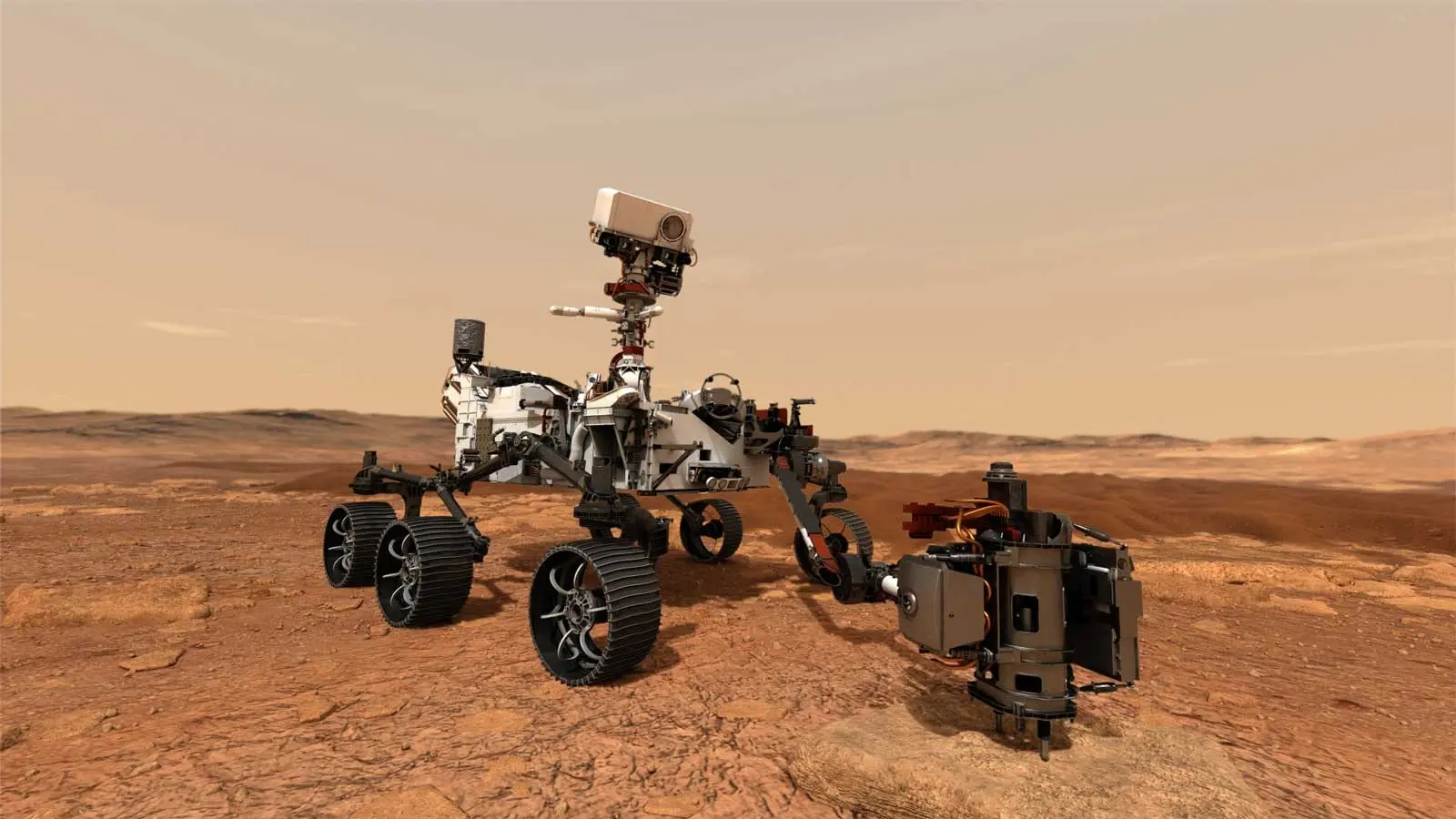
Scientists have for the first time recorded tiny electric sparks inside Martian dust devils, upending assumptions about the Red Planet’s atmosphere and its chemical behavior. The discovery, captured by Perseverance’s SuperCam microphone, opens a new line of inquiry into how charged dust alters climate, chemistry, and the safety of future missions.
How whispering dust grains turn into sparks
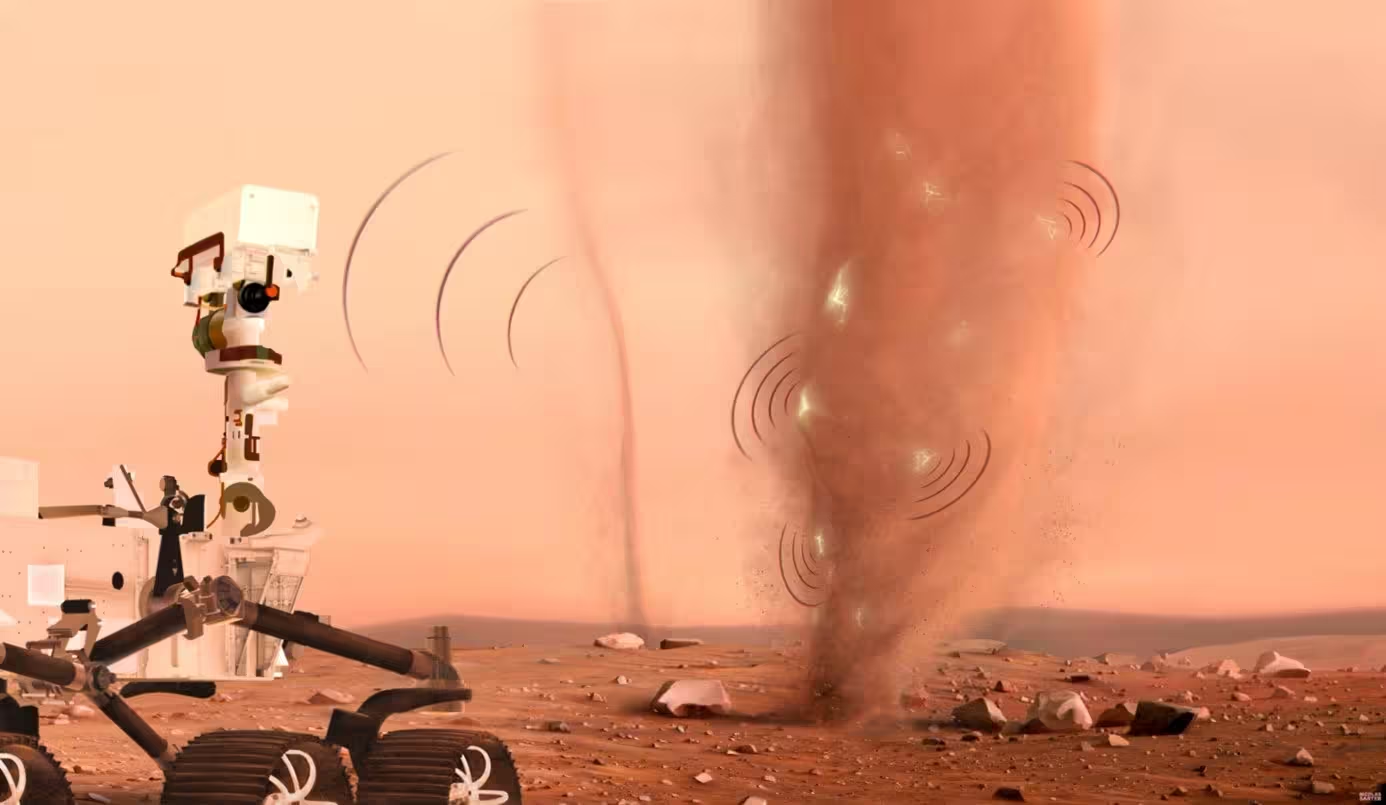
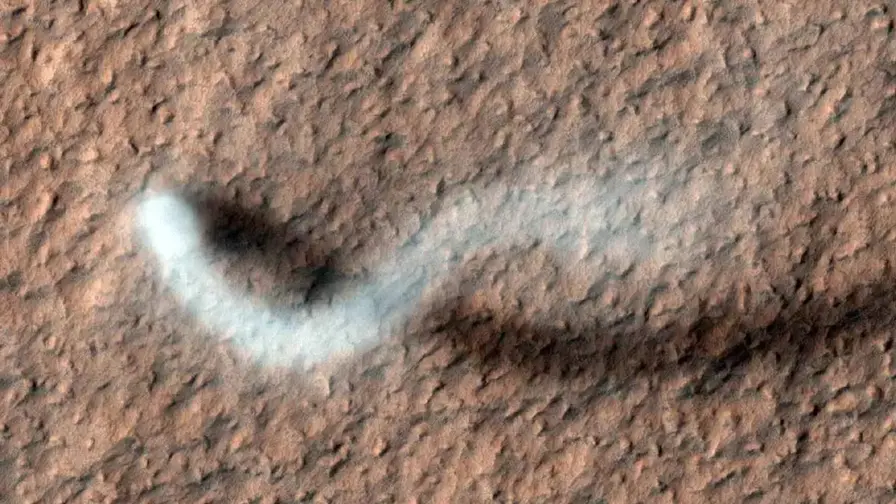
On Mars, gusting winds routinely lift fine regolith into spinning columns called dust devils. As those tiny grains collide and rub together they exchange electrical charge — the same basic process behind the static shocks you might feel on a dry day on Earth. But Mars is not Earth: its atmosphere is thinner and dominated by carbon dioxide, which lowers the threshold for a spark to form.
While Perseverance rolled through two dust devils, the SuperCam microphone — the first microphone ever used on Mars — registered unusual, intense acoustic signals. Researchers at French institutions including the Institut de recherche en astrophysique et planétologie and the laboratoire Atmosphères et observations spatiales matched those sounds to electromagnetic and acoustic signatures produced by short electric arcs. These discharges are tiny, typically only a few centimeters long, yet loud enough for a sensitive microphone and distinct enough to be unambiguous.
Why these tiny arcs rewrite Martian chemistry
Electric discharges are more than a curious weather phenomenon. When sparks jump, they drive chemistry. High-energy events create oxidizing compounds — reactive molecules that can break apart organic matter and alter atmospheric gases. That helps explain long-standing puzzles such as the rapid disappearance of methane plumes on Mars, which has puzzled scientists because photochemistry alone couldn’t account for the observed loss rates.
In short: sparks can produce powerful oxidants near the surface and in the lower atmosphere. Those oxidants can degrade organics and consume reactive gases, shifting the balance of atmospheric chemistry and potentially masking signatures that missions search for when hunting signs of past or present life.
Impacts on climate, missions, and human exploration
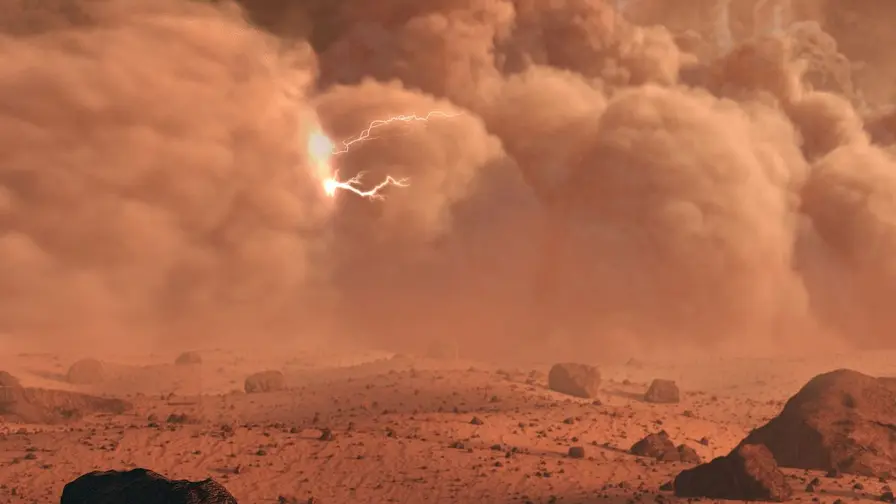
Electrical charging also influences how dust behaves — how it lifts, travels, and settles — and dust is a major player in Martian climate. Better understanding electric effects helps refine climate models and could change predictions about regional weather and dust storm development.
There are practical consequences too. Discharges may pose risks to sensitive electronics on robotic landers and rovers and could be a hazard for future astronauts. Even small arcs can create local electromagnetic interference or deposit charge on exposed components. Mission designers will need to consider these new findings when planning long-duration hardware and human habitats.
Sound as a new scientific window
The SuperCam microphone has proven to be a surprisingly powerful scientific tool. Since Perseverance landed in 2021 it has recorded more than 30 hours of Martian soundscape — wind, rotor noise from the Ingenuity helicopter, and now electric discharges. Acoustics provide an independent dataset that can detect transient, local phenomena that imaging or remote sensing might miss.
Imagine listening to a storm and hearing the crackle of electrical activity; that is now possible on Mars. These acoustic detections help confirm electrical measurements and give context about the size, duration, and energy of discharge events.
Next steps for researchers and explorers
Researchers will combine acoustic, electromagnetic, and dust measurements to quantify how often discharges occur, how strong they are, and where they are most likely. Models will be updated to include charging physics, and future instruments may be tuned specifically to study electric weather. For engineers, the finding motivates new testing regimes to harden electronics and habitats against unexpected electrostatic events.
This detection is a reminder that Mars continues to surprise us: even tiny sparks can illuminate big questions about habitability, climate, and the design of next-generation missions.





Leave a Comment
Comments (2)
Recorded by mic? hmm. Cool, but how do they separate arc sounds from wind or rover noise, any controls? sounds kinda shaky
wow didnt expect literal sparks on Mars, that blew my brain. If dust makes oxidants then lab tests and rovers need rethinking, ugh.