
3 Minutes
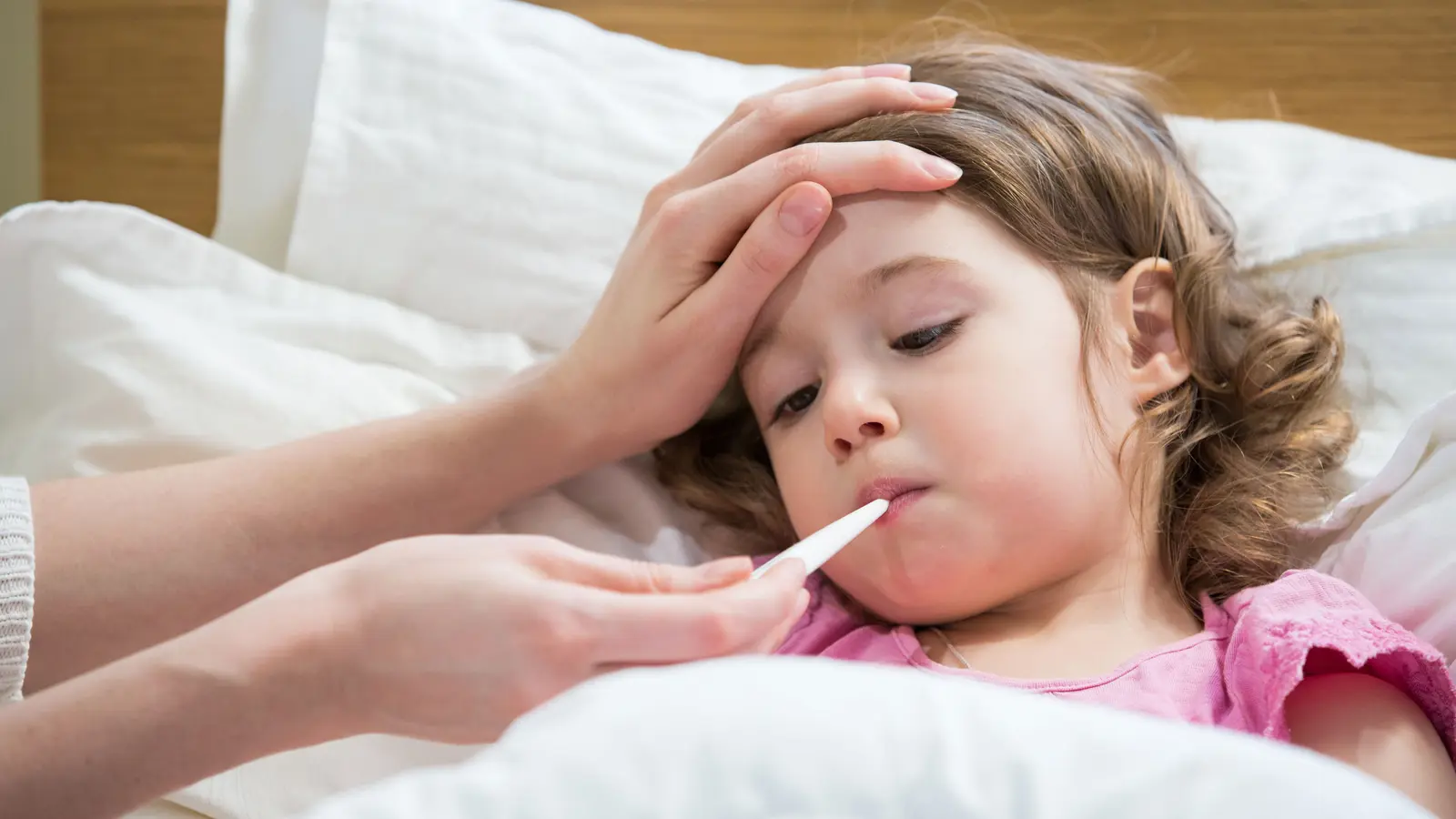
A large, four-year analysis of pediatric health records challenges a decades-old concern: the influenza antiviral oseltamivir (commonly called Tamiflu) does not increase — and may actually reduce — the risk of serious neuropsychiatric events in children. Researchers used de-identified Medicaid data to separate effects of the virus from effects of its treatment, offering fresh evidence for clinicians and caregivers during flu season.
Rethinking Tamiflu and rare brain-related reactions
For years, sporadic reports tied acute neuropsychiatric symptoms — from seizures and altered mental status to hallucinations and mood changes — to oseltamivir use in children. Those signals led to caution and debate among pediatricians, parents, and regulators. But teasing apart whether the influenza virus itself or the antiviral triggered those events requires very large datasets and careful comparison groups.
In a study published in JAMA Neurology, investigators at Monroe Carell Jr. Children’s Hospital at Vanderbilt analyzed health records from Tennessee Medicaid covering July 1, 2016, to June 30, 2020. The cohort included 692,295 children ages 5–17 (median age 11). During follow-up, clinicians documented 1,230 serious neuropsychiatric events: 898 classified as neurologic and 332 as psychiatric.

Key findings: flu drives risk, treatment reduces it
- Children diagnosed with influenza had higher rates of neuropsychiatric events than children without influenza, regardless of whether they received oseltamivir.
- Among children with influenza, those treated with oseltamivir experienced about a 50% lower risk of serious neuropsychiatric complications compared with untreated children with flu.
- Children without influenza who received oseltamivir prophylactically showed the same baseline rate of neuropsychiatric events as children without influenza and no antiviral exposure.
The study's clinical outcome definitions were comprehensive. Neurologic events included seizures, encephalitis, altered mental status, movement disorders, vision changes, dizziness, headaches, and sleep disorders. Psychiatric outcomes covered self-harm or suicidal behaviors, mood disorders, psychosis, and hallucinations.
Why these results matter for families and doctors
'Our findings demonstrated what many pediatricians have long suspected, that the flu, not the flu treatment, is associated with neuropsychiatric events,' said lead investigator James Antoon, MD, PhD, MPH. 'In fact, oseltamivir treatment seems to prevent neuropsychiatric events rather than cause them.'
The timing is important. The 2024–2025 influenza season saw an uptick in severe neurologic complications in children at multiple centers, underscoring the need to understand real-world risks. As senior author Carlos Grijalva, MD, MPH, noted, 'These flu treatments are safe and effective, especially when used early in the course of clinical disease.' That aligns with American Academy of Pediatrics guidance favoring early antiviral therapy in high-risk or symptomatic pediatric patients.
Clinical context and practical takeaways
This analysis does not suggest oseltamivir is a panacea; rather, it reframes how clinicians should weigh rare adverse neurologic events. Key practical points:
- Influenza infection itself increases the risk of serious neurologic and psychiatric complications in children.
- When prescribed early for confirmed influenza, oseltamivir appears to lower the chance of those complications.
- Prophylactic oseltamivir given to children without influenza did not raise neuropsychiatric event rates in this study.
For parents and providers, the study offers reassurance about the safety profile of oseltamivir and highlights the importance of rapid diagnosis and timely treatment during flu season. As with all medications, clinicians should consider individual risk factors and follow current public health guidance.
Continued surveillance and research will refine our understanding of rare post-infectious neurologic outcomes, but this large-scale study shifts the balance of evidence toward the flu itself — not the antiviral — as the primary driver of the worrisome neuropsychiatric events seen in some children.








Leave a Comment
Comments
No comments yet. Be the first.