

6 Minutes
As the memory of COVID fades for many, a different viral threat is quietly expanding its reach: highly pathogenic avian influenza, commonly called bird flu. The virus remains an unlikely candidate for sustained human transmission today — but its spread through birds, livestock and wildlife, and its increasing detection in mammals, deserve urgent attention.
Why bird flu has returned to the headlines
H5-type avian influenza strains are devastating to birds and disruptive to human systems that rely on poultry and dairy. Tens of millions of birds have died or been culled to control outbreaks, and surveillance teams are now documenting infections in species once considered unlikely hosts. At least 74 mammal species — from marine mammals to polar bears — have shown signs of infection or suffered die-offs, underlining how the virus is probing new ecological niches.
That geographic and host expansion matters because every animal infection is a genetic experiment. Dense poultry operations, large dairy herds and close interactions between farmed and wild animals create opportunities for the virus to jump species. In the United States, more than 1,000 dairy herds have tested positive for avian influenza over the past two years, and viral fragments have even been detected in milk — a worrying route of spillover and another reminder that animal infections can reach food systems and people.
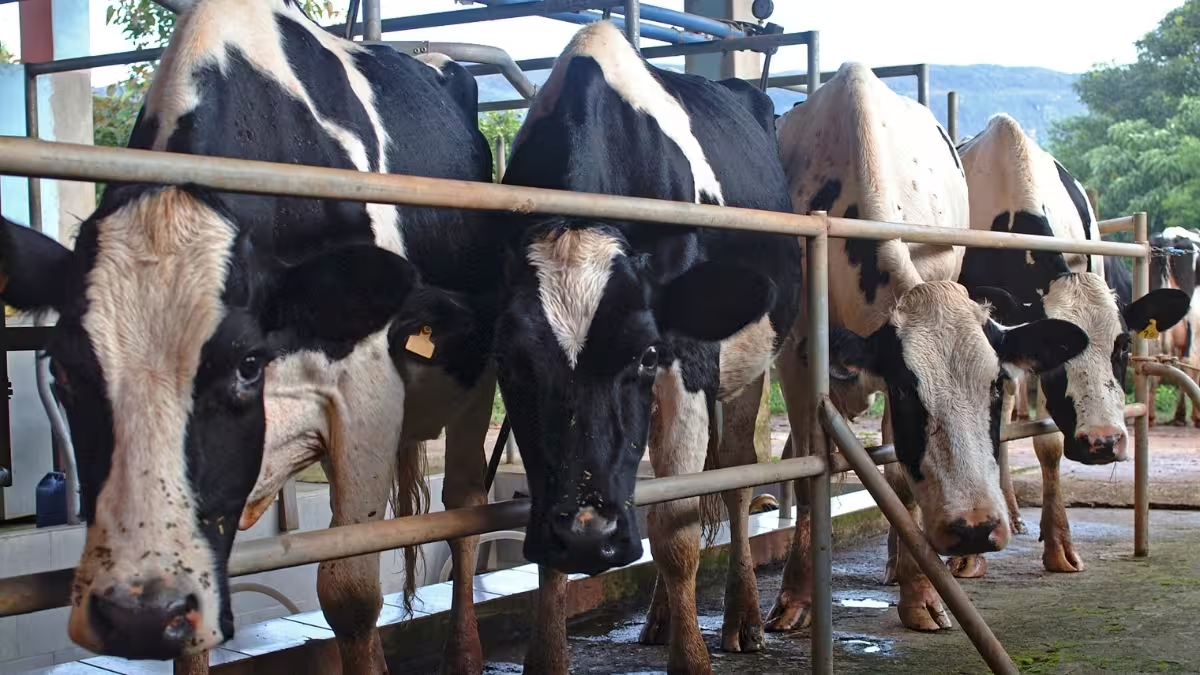
More than 1,000 US dairy herds have tested positive in the past two years.
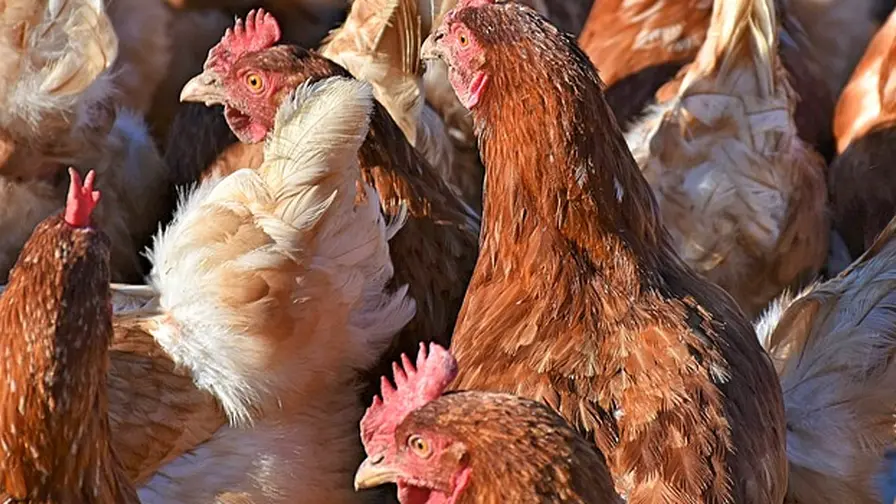
Europe saw a notable surge between early September and mid-November 2025, when authorities reported 1,444 infected wild birds across 26 countries — roughly four times the detections from the same period a year earlier. Human cases are still rare: global records list about 992 confirmed H5N1 infections since 2003, and those cases have carried a high reported fatality rate. Yet the trendlines are moving in a worrying direction: the Americas documented 75 human cases since 2022, and in November the U.S. reported its first death linked to H5N5 in a patient with underlying conditions.
Why the warning signals are getting lost
My research into systemic warnings — why early alerts sometimes fail to trigger action — offers a useful lens on the bird flu risk. The pattern is familiar: frontline observers detect anomalies, but signals degrade as they move up decision chains. Bureaucratic filters, competing priorities and institutional fatigue can dilute urgency. The result: early detection without decisive response.
We see those fractures in current surveillance systems. After COVID, many public health and veterinary agencies face budget cuts, staff shortages and fragmented data flows. In the U.S., scientists have criticized federal reporting on animal outbreaks for being slow, incomplete and technically hard to use — genetic sequence data shared too late or in unusable formats leaves researchers blind to viral evolution in livestock.
In Europe, an audit across 31 countries described a “critical gap in preparedness” exposed by COVID and urged standardized indicators and open data. The European Union has launched a pre-pandemic plan, a welcome step, but everyday monitoring and rapid-response capacity still show cracks. The U.K. also reports stretched domestic surveillance and veterinary staffing shortages that reduce early detection.
When institutions fail to amplify signals, public awareness fades. Polls show many Americans don’t consider bird flu a credible threat — and that’s partly because human symptoms can be mild or atypical. A dairy worker who tested positive this year had only conjunctivitis, hardly a red flag for a novel pandemic strain. A low perceived risk among the public undermines political will to maintain robust surveillance and biosecurity.
What the science tells us about risk
Technically, the H5 viruses still pose a low probability of efficient human-to-human transmission. Influenza viruses don’t easily acquire the precise combination of mutations needed to spread widely between people. We also have advantages now that we lacked before COVID: vaccine platforms and candidate vaccines can be adapted more quickly, scientific networks are better connected, and many authorities retain protocols developed during the pandemic.

But ‘‘low probability’’ is not ‘‘no risk.’’ Most people have partial immunity to seasonal influenza strains; we likely have little or no immunity to H5 subtypes. And unlike COVID, past influenza pandemics have often killed otherwise healthy adults in large numbers. The prospect of a novel H5 strain that combines avian virulence with efficient human transmission would be catastrophic.
Key technical issues to watch
- Genetic surveillance: rapid, open sharing of viral sequences across animal and human health sectors to detect mutations of concern.
- Farm biosecurity: limiting mixing between wild birds, poultry and mammals; better hygiene and monitoring on farms, especially large commercial operations.
- One Health coordination: joint animal-human-environment approaches to trace spillover pathways and prioritize interventions.
- Risk communication: clear public messaging to maintain attention without causing alarm fatigue.
Expert Insight
"We shouldn’t be surprised that avian influenza is testing new hosts — viruses explore ecological opportunities constantly," says Dr. Maya Patel, an epidemiologist who studies zoonoses. "The policy failure isn’t that we face a threat; it’s that we allowed surveillance infrastructure to atrophy. Rapid sequencing and transparent data-sharing would give us time and options. Preparedness is not about predicting the exact virus — it’s about keeping the toolbox sharp."
Practical steps to lower the chance of spillover
Policymakers, industry and scientists can take concrete measures now that would reduce risk and buy time if the virus adapts further:
- Fund and standardize surveillance networks so genetic and outbreak data are shared in near real-time across countries and disciplines.
- Support farm-level interventions: improve ventilation, reduce crowding, separate species, and train workers in biosecurity.
- Scale up genomic sequencing capacity in veterinary labs and create open-data pipelines researchers can use immediately.
- Invest in universal influenza vaccine research and maintain stockpiles of candidate H5 vaccines for rapid deployment if needed.
- Encourage One Health governance structures that link agriculture, wildlife, public health and environmental monitoring.
These actions are practical; they do not require futuristic technology, only political will and funding. The alternative is a reactive scramble when a clearer pandemic signal finally arrives — a scramble that will cost lives and livelihoods.

Ultimately, bird flu highlights a recurring tension in public health: the incentives to underreact when the problem feels distant, and to overreact when crisis strikes. Keeping vigilance calibrated — neither panicked nor complacent — is the real challenge.
For now, health authorities still rate the probability of a widely transmissible H5 strain as low. But every unmonitored spillover, every delayed data release and every hollowed-out lab reduces the leeway we have to stop a threat before it becomes a disaster. The choice is ours: shore up weak links in surveillance and response now, or risk watching the next alarm hit full force with too few hands on deck.











Leave a Comment
Comments (2)
Wow this slipped under the radar — milk with viral fragments?? Scary stuff, feels like we wait til it’s too late, imo
Is this even true? 74 mammal species infected sounds insane. If sequencing is delayed we're flying blind. Who's funding fixes?