
3 Minutes
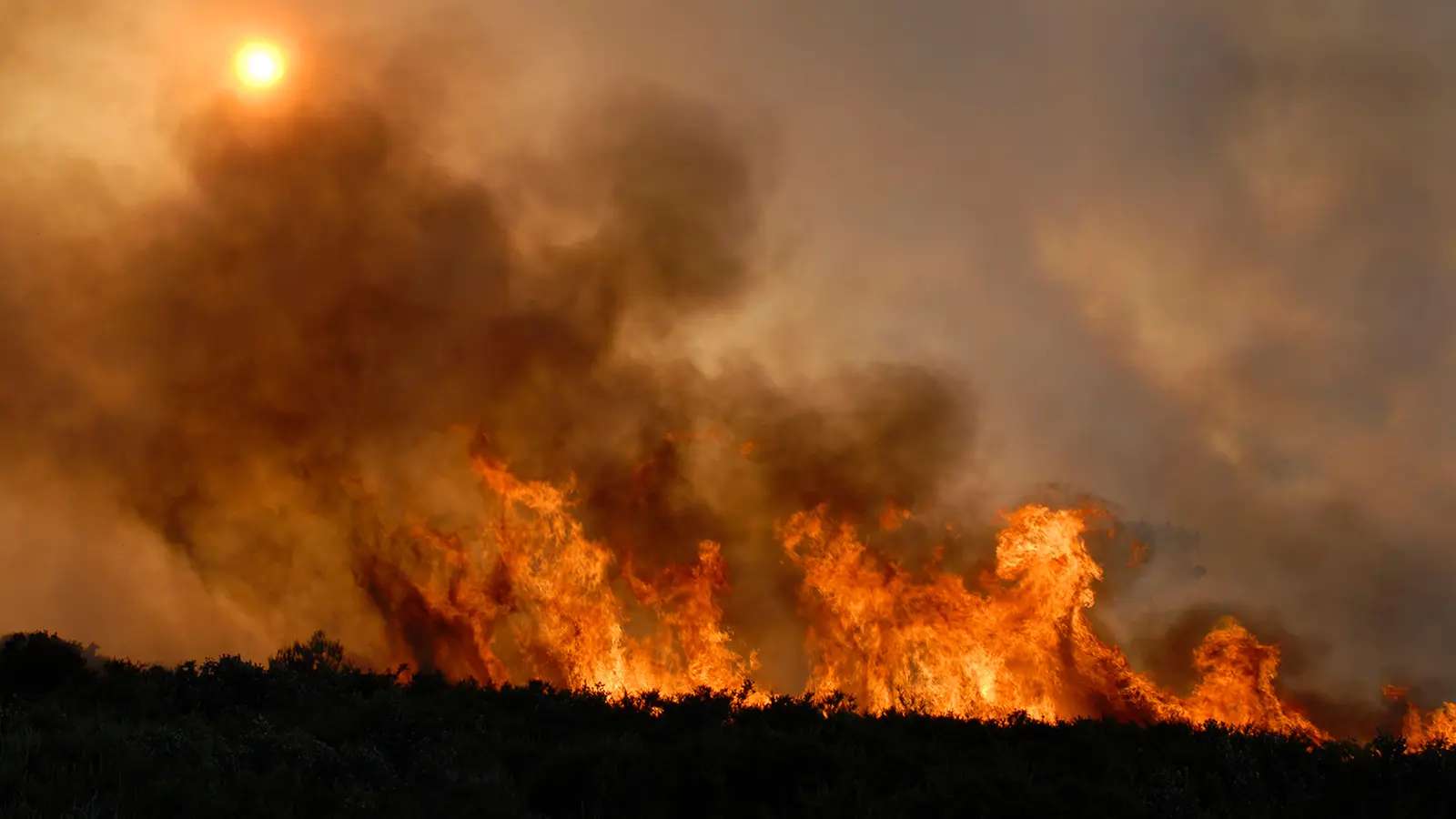
Wildfire smoke is more than visible haze — it carries a complex cocktail of organic gases that scientists now say has been significantly underestimated. New research suggests those overlooked chemicals help form fine particles that worsen air quality and magnify health and climate risks, especially where fires overlap with heavy human pollution.
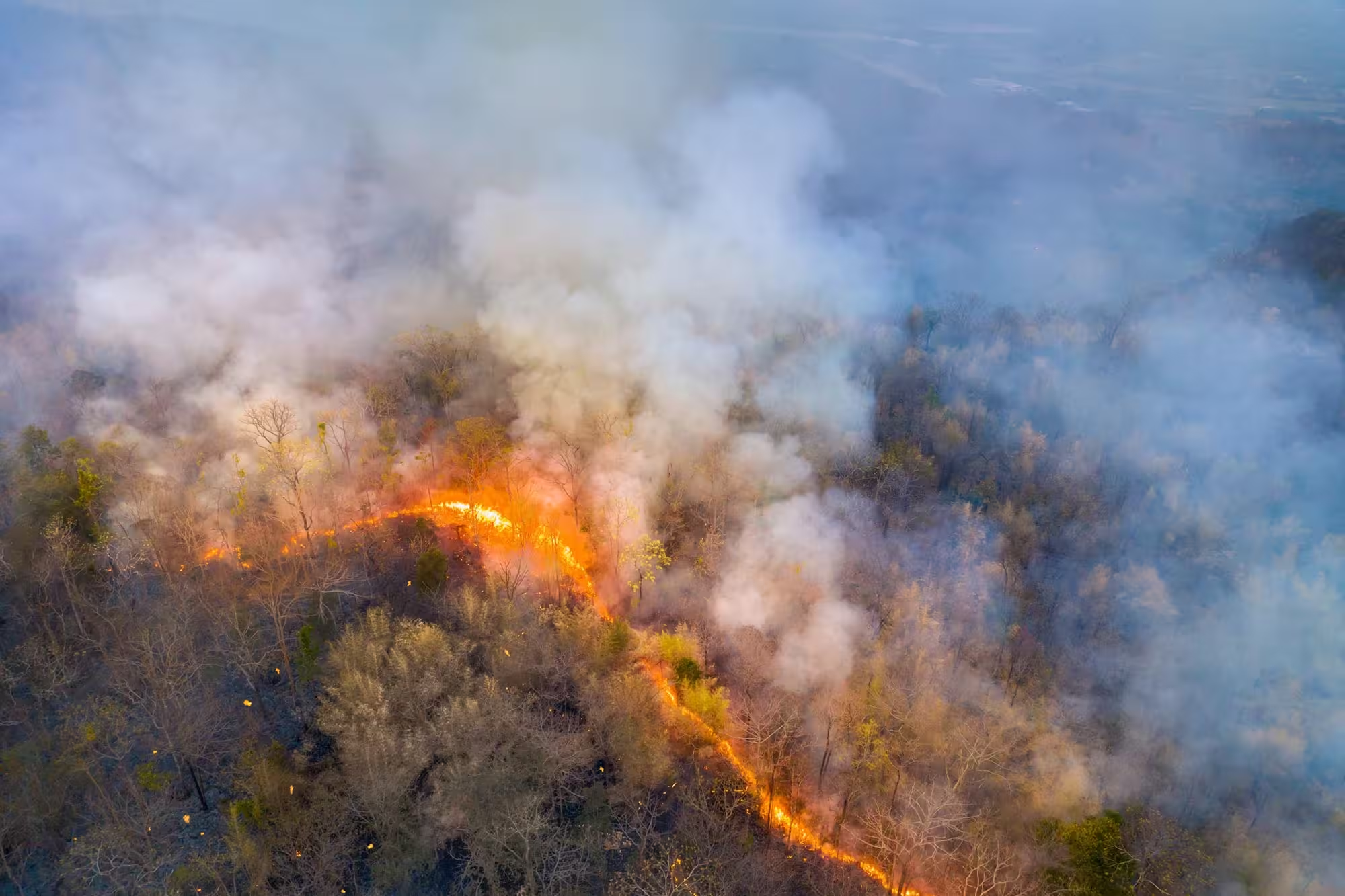
Wildfire smoke may be packing a much bigger pollution punch than anyone realized.
A missing piece in wildfire pollution
For decades, researchers focused largely on volatile organic compounds (VOCs) released by burning vegetation. VOCs are gases that readily evaporate, and they were easier to measure than other organics. But lab work and field measurements now reveal that intermediate- and semi-volatile organic compounds (IVOCs and SVOCs) — chemicals that evaporate less easily or only at higher temperatures — make up a substantial portion of wildfire emissions.
Those IVOCs and SVOCs are important because they more readily form secondary organic aerosol: tiny particles that remain suspended in air and can be inhaled deep into the lungs. Compared with VOCs, these partially volatile organics are more efficient precursors to fine particulate matter (PM2.5), a pollutant linked to respiratory and cardiovascular disease.
How the new inventory was built
A team led by Shuxiao Wang compiled global records of burned forests, grasslands, and peatlands from 1997 through 2023. They combined field measurements, published emission factors, and laboratory experiments to estimate emissions of VOCs, IVOCs, SVOCs, and extremely low volatility organics across different vegetation types. Where direct measurements were missing, controlled burn experiments filled the gaps.
The result: wildland fires emit roughly 143 million metric tons of airborne organic compounds each year — about 21% more than earlier inventories suggested. "Our new estimates increase the organic compound emissions from wildland fires by about 21%," says Lyuyin Huang, first author of the study published in Environmental Science & Technology. "The inventory provides a foundation for more detailed air-quality modeling, health-risk assessment, and climate-related policy analysis."
Where fires and people collide
Comparing wildfire emissions with human-caused pollution showed a nuanced picture. Although anthropogenic sources still release more organics overall, the quantities of IVOCs and SVOCs from fires are similar to those from industry, traffic, and other human activities. That overlap creates pollution hotspots where both fire-derived and human-derived compounds mix and chemically react.
Equatorial Asia, parts of Northern Hemisphere Africa, and Southeast Asia emerged as regions with particularly complex air quality challenges. In these zones, periodic large fires — natural or prescribed — can interact with dense urban pollution, amplifying fine particle formation and making air-quality management far more difficult.
Implications for health, climate and policy
Updating emission inventories to include IVOCs and SVOCs matters for several reasons. First, air-quality models that omit these compounds may underestimate PM2.5 formation and thus the public-health burden from fire smoke. Second, climate models need accurate organic emissions to predict aerosol effects on radiation and cloud formation. Finally, policy responses — from prescribed burning practices to urban pollution control — must consider how mixed-source chemistry changes outcomes on the ground.
Practically, the new inventory enables more realistic scenario testing: what happens to urban air quality if seasonal burning intensifies, or if human emissions are reduced? The answers will help public-health officials and land managers prioritize interventions where they will make the biggest difference.
As wildfire seasons lengthen and land-use patterns shift, refining our picture of smoke chemistry is urgent. This study provides a clearer map of what’s in the smoke and where those invisible ingredients pose the greatest risk — an essential step for protecting air quality, health, and climate.






Leave a Comment
Comments
No comments yet. Be the first.