
3 Minutes
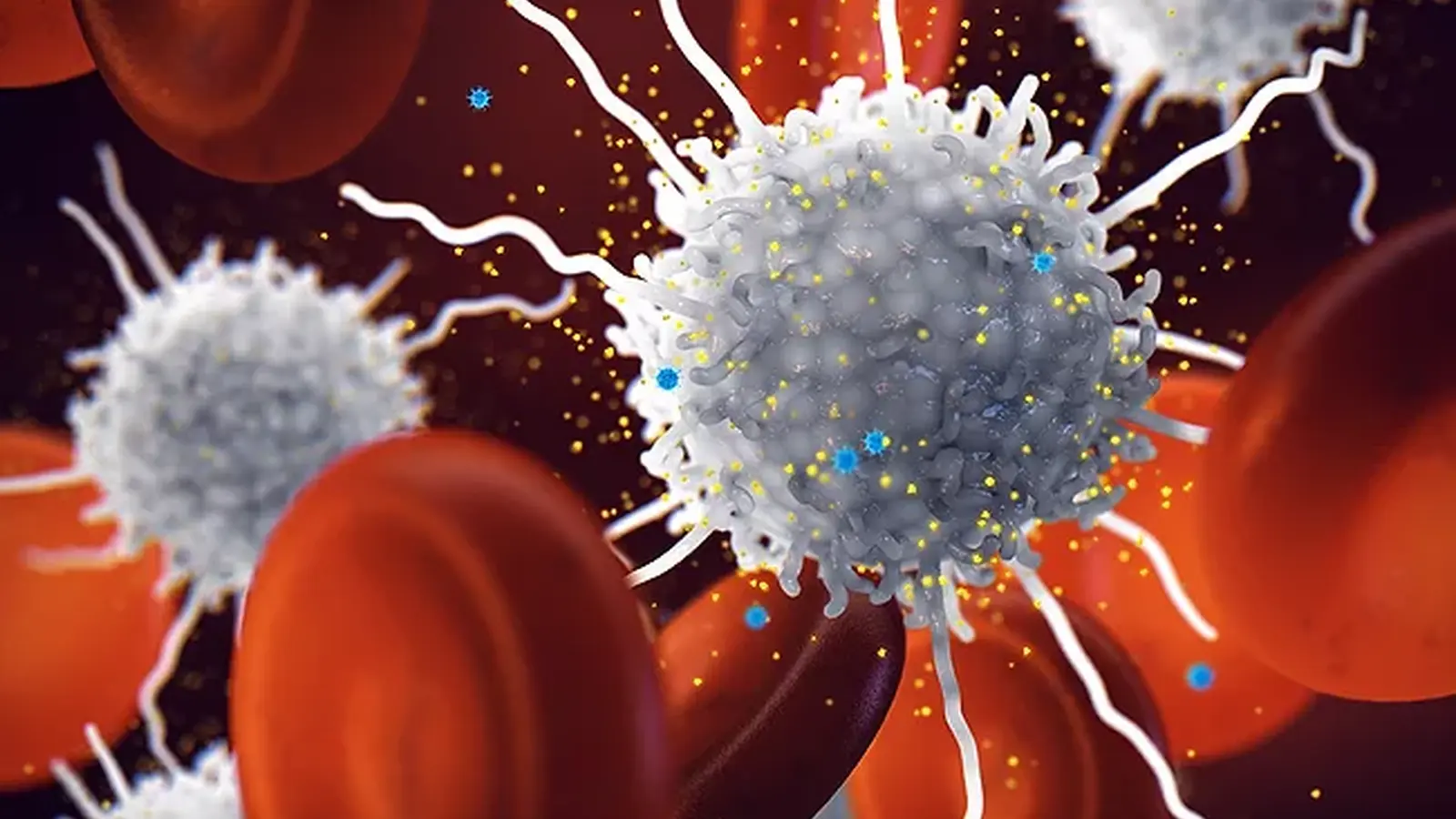
Researchers have discovered that immune cells actively strip away a sugar-rich surface coating to slip from blood into inflamed skin — a subtle molecular switch that helps drive psoriasis. This finding reframes how scientists think about immune migration and opens new directions for therapies that control inflammation.
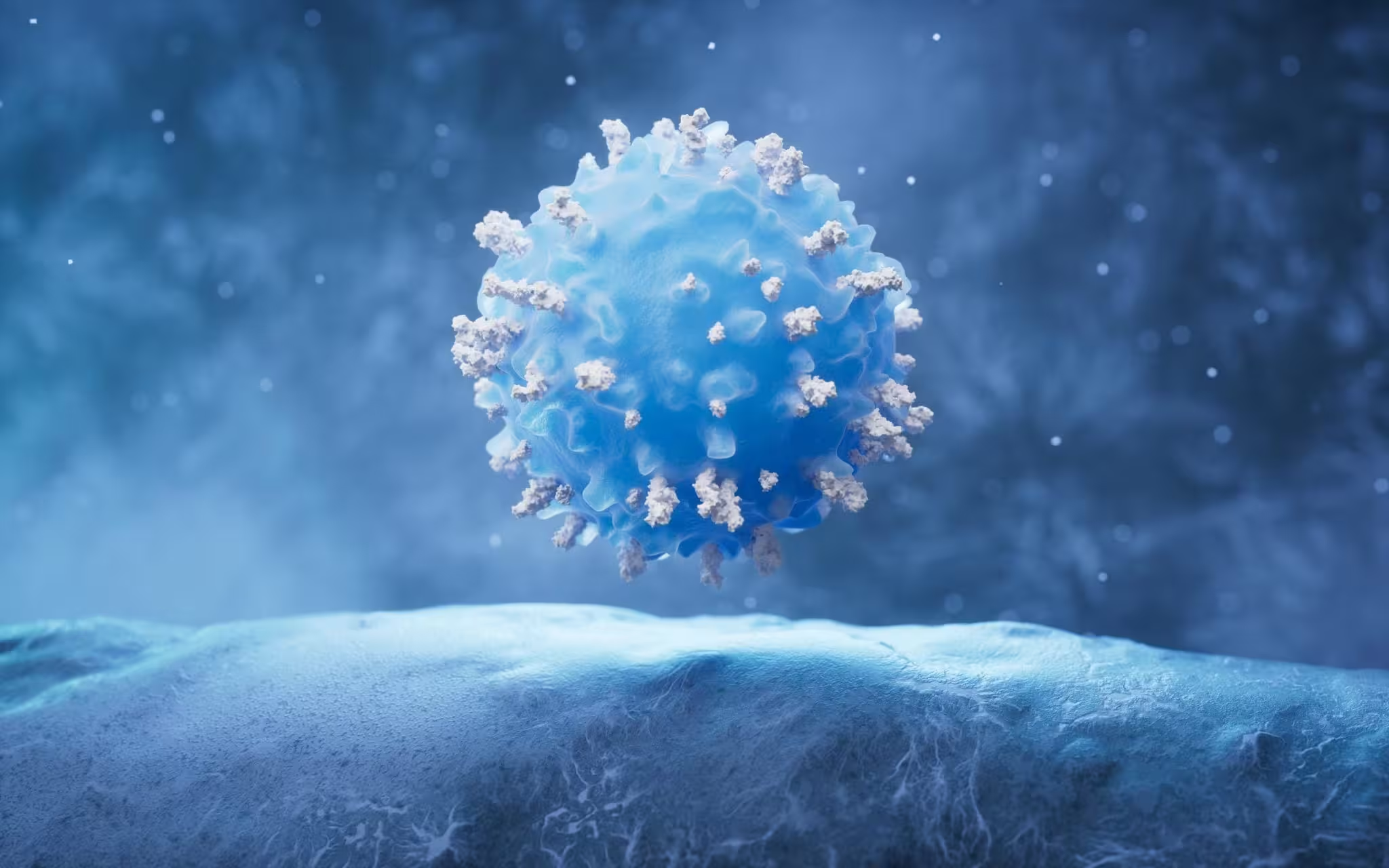
New research reveals that immune cells themselves shed a sugar-rich surface layer to enter inflamed skin in psoriasis, reshaping long-held views of how immune cells migrate during disease. This subtle molecular change helps drive inflammation, pointing to an overlooked mechanism that could influence future treatments.
A sugar coat with a surprising role
Most cells lining blood vessels are cloaked in a dense, gel-like layer called the glycocalyx — a mesh of complex sugars (glycans) attached to proteins and lipids. For years, scientists focused on the endothelial glycocalyx as a regulator of cell movement, vascular protection and signaling. The new study shows that immune cells carry their own glycocalyx and can actively shed it to exit the bloodstream and enter tissue.
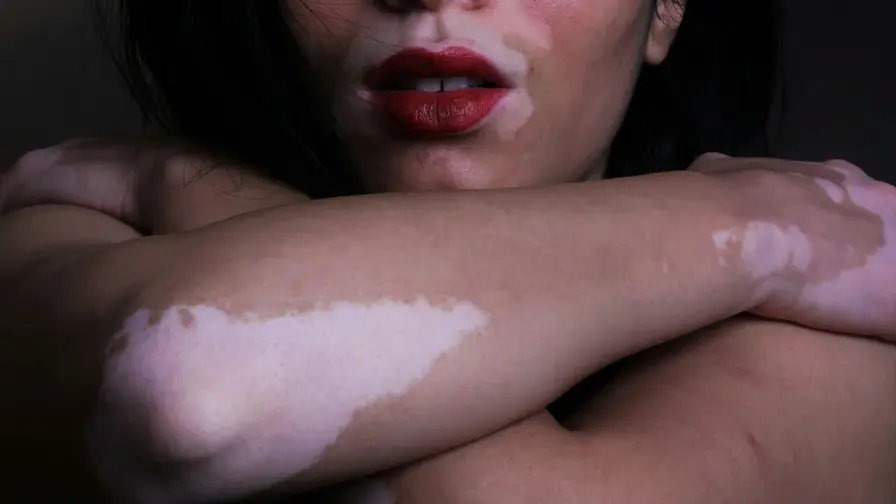
When immune cells remove that sugar coat, they become more capable of squeezing through vessel walls during inflammation. That process — technically part of extravasation — appears necessary for immune cells to reach infected or damaged tissue. In psoriasis, however, this mechanism can backfire: excessive recruitment and retention of immune cells in the skin amplifies chronic inflammation and the characteristic scaly plaques.
How the study changed the playbook
The research, published in Science Signaling and led by Dr. Amy Saunders (Lancaster University) and Dr. Douglas Dyer (University of Manchester), with first author Dr. Megan Priestley (now at MIT), used cellular and molecular assays to track glycocalyx remodeling on immune cells during inflammatory responses. The team demonstrated that shedding the glycocalyx is not merely passive wear-and-tear; it is a regulated step that controls how immune cells respond to inflammatory signals and migrate into tissues such as skin.
"It is really exciting to discover how important the glycocalyx layer is on immune cells," said Dr. Saunders, emphasizing that identifying this behavior rewrites part of the immune-migration narrative. Dr. Dyer added that collaborative efforts were vital for redefining cell recruitment in inflammatory disease, while Dr. Priestley noted the project brings deserved attention to sugars in immune regulation.

Dr. Amy Saunders. Credit: Lancaster University
Implications for psoriasis and beyond
Understanding glycocalyx shedding widens therapeutic possibilities. Current anti-inflammatory drugs often target signaling molecules or immune-cell activation. Modulating the physical process of glycocalyx removal — for instance, inhibiting enzymes that trim surface glycans or stabilizing the glycocalyx — could reduce harmful immune infiltration without broadly suppressing immunity.
Designing drugs that alter the movement of immune cells between the blood and tissues could treat infections more effectively and, crucially, prevent immune-driven damage in chronic diseases like psoriasis. The study also points to glycans as biomarkers: changes in the sugar layer could help predict disease flares or monitor treatment response.
Who contributed and what comes next
Alongside the lead labs, collaborators included Dr. Max Nobis (University of Manchester; formerly VIB-KU Leuven) and Professor Olga Zubkova (Victoria University of Wellington). Future research will need to map the molecular triggers that initiate glycocalyx shedding, test whether similar mechanisms operate in other inflammatory conditions, and explore safe ways to tweak this process pharmacologically.
For patients and clinicians, the takeaway is practical: small, often-overlooked sugar structures on immune cells can steer inflammation. Targeting that sugar switch offers a fresh strategy to rein in excessive immune traffic into tissues while preserving the body’s ability to fight infection.









Leave a Comment
Comments
No comments yet. Be the first.