
3 Minutes
What we toss as scraps—from beet leaves to the tops of radishes—may be a hidden resource for greener farming, human health, and industry. Recent studies show food waste can be transformed into natural crop protectants, sustainable growing media, gut-health ingredients, and stable bioactive powders suitable for cosmetics and pharmaceuticals. Here’s a look at how researchers are turning leftovers into value.
From lab benches to greenhouse benches, scientists are rethinking waste. The following research, published across journals of the American Chemical Society, explores practical ways discarded plant material can replace synthetic chemicals, protect seedlings, and deliver health-promoting compounds.
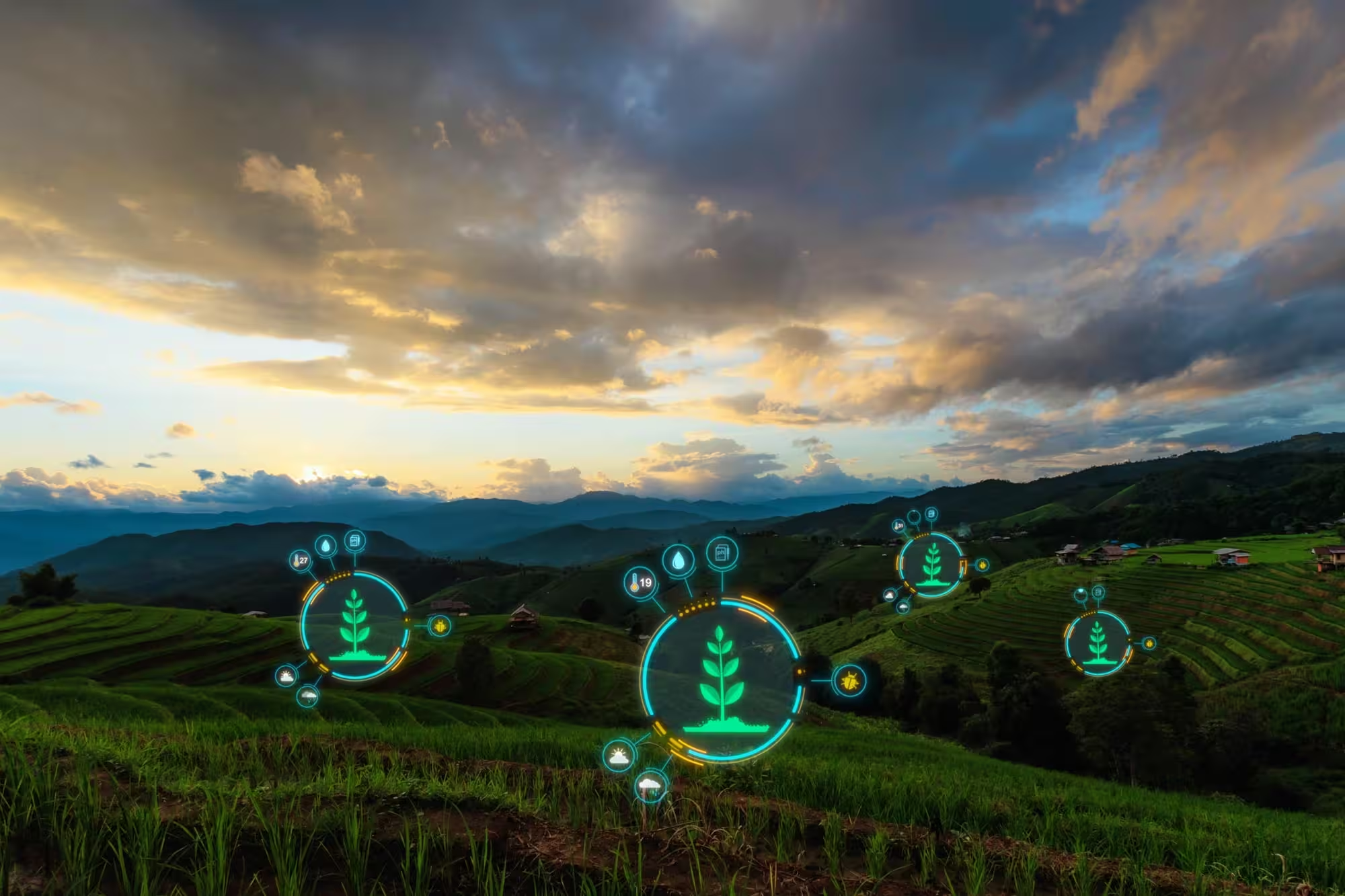
From farm leftovers to leafy greens tossed aside, food waste is proving far more valuable than expected. Scientists are finding ways to turn scraps into tools for sustainable farming, gut health, and bioactive ingredients.
Natural crop defense from sugar beet pulp
Sugar beet processing produces vast amounts of pectin-rich pulp—about 80% of the beet's original weight after sugar extraction. Instead of composting or discarding it, researchers converted that pulp into small carbohydrates that act as elicitors: molecules that stimulate a plant's own immune responses. In greenhouse and lab tests these compounds triggered defense pathways in wheat, reducing susceptibility to fungal diseases such as powdery mildew.
Why it matters: using beet-derived elicitors could lower dependence on synthetic fungicides, cut input costs, and reduce environmental impacts from pesticide use. The approach aligns with integrated pest management and circular-economy principles.
Millipede-processed coconut fibers: a peat substitute for seedlings
Peat moss is widely used to start seedlings but its extraction harms carbon-rich ecosystems and groundwater. A novel alternative comes from coconut coir processed by millipedes into a fine compost, nicknamed “millicompost.” When blended with other plant-based materials, this compost matched peat-based media for bell pepper seedling growth in trials reported in ACS Omega.
Practical upside: growers can reduce peat use, preserve sensitive wetlands, and adopt a renewable, locally sourced potting substrate—helpful for nurseries and sustainable agriculture initiatives.
Radish greens: undervalued nutrition and gut health potential
Radish tops are usually discarded, but chemical analyses show they can contain higher levels of fiber, polysaccharides, and antioxidants than the root. Laboratory and animal studies indicate these compounds promote beneficial gut microbes—an effect linked to improved digestion and immune support. Turning radish greens into powdered supplements or functional food ingredients could add nutritional value while cutting waste.
Encapsulating beet-leaf antioxidants for industry
Bioactive extracts are only useful if they remain stable. Engineers developed a spray-drying method that aerosolizes beet-green extract with edible biopolymers to form microparticles. The encapsulated antioxidants not only resisted degradation but in some tests showed higher measured activity than the naked extract—likely because the coating preserves fragile compounds during storage and processing.
This opens commercial pathways: stabilized powders from agricultural waste could supply the food, nutraceutical, and cosmetic industries with sustainable active ingredients.
Wider implications and next steps
These discoveries reflect a shift toward circular agriculture: waste streams become feedstocks for crop protection, growing media, and bioactive products. Challenges remain—scaling extraction, ensuring economic viability, and meeting regulatory standards for food and pharmaceutical uses—but the science shows clear promise.
Imagine a future where a sugar factory supplies local farmers with natural elicitors, vegetable-processing plants sell stabilized extracts to makers of supplements, and nurseries replace peat with millicompost. The result would be reduced waste, lower chemical inputs, and new revenue streams for rural economies.












Leave a Comment
Comments
No comments yet. Be the first.