
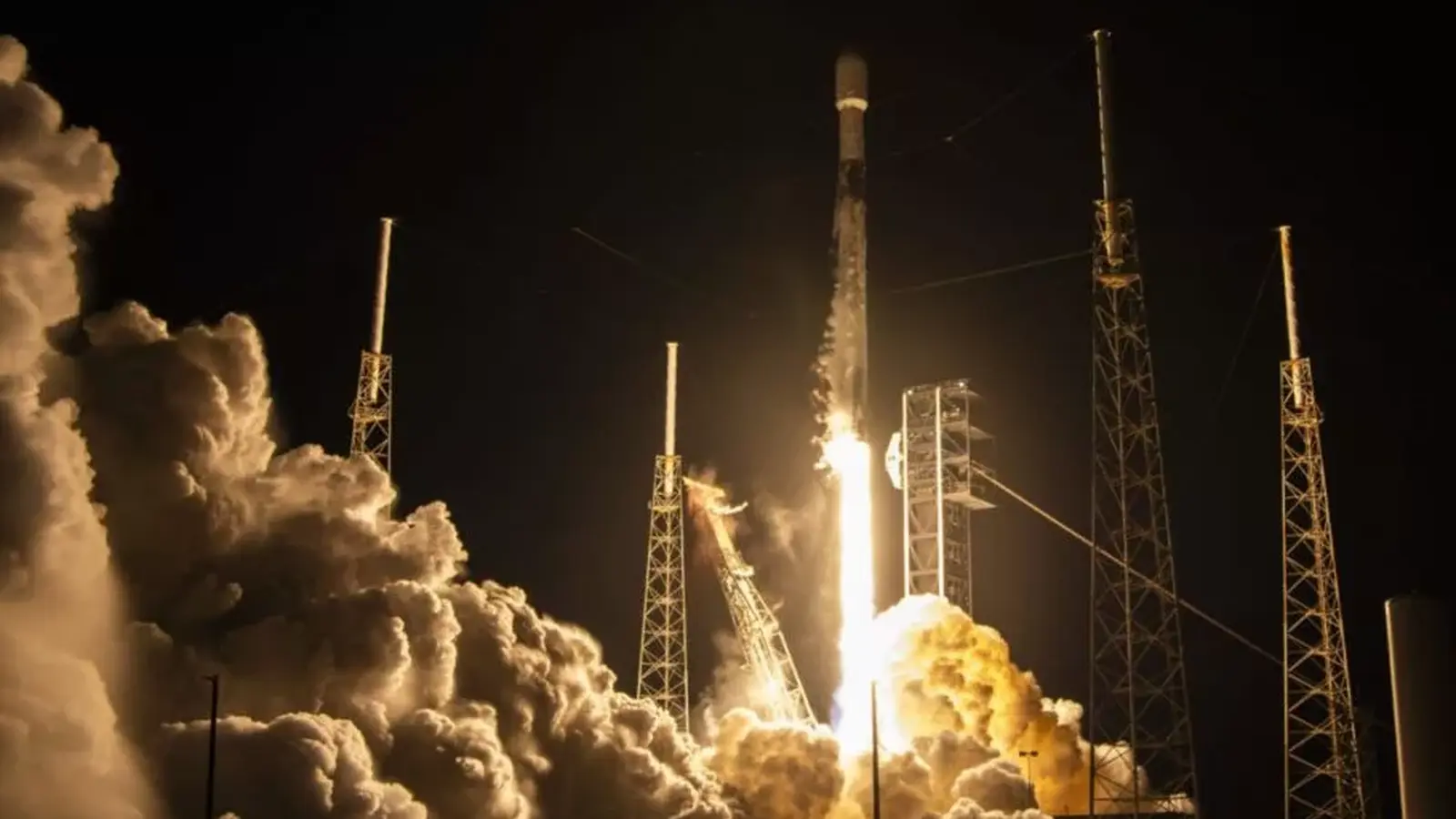
SpaceX closed the 2025 calendar year by setting a new company record: 165 orbital launches. That staggering cadence—roughly one launch every two days—marks the sixth consecutive year the company has increased its annual launch tally and cements its dominance in the global launch market.
Numbers that illustrate a rapid climb
SpaceX’s ascent has been dramatic. In 2020 the company conducted 25 orbital launches; in the years that followed those totals rose to 31, 61, 96 and 134. Now, in 2025, the firm reached 165 orbital missions. These figures exclude five suborbital test flights of Starship.
To put the pace in context: SpaceX flew nearly twice as many orbital missions last year as the entire Chinese aerospace sector, and it accounted for about 85% of all U.S. space launches in 2025. The company’s activity is reshaping expectations about launch cadence, satellite deployment, and commercial access to space.
Falcon 9: the workhorse behind the record
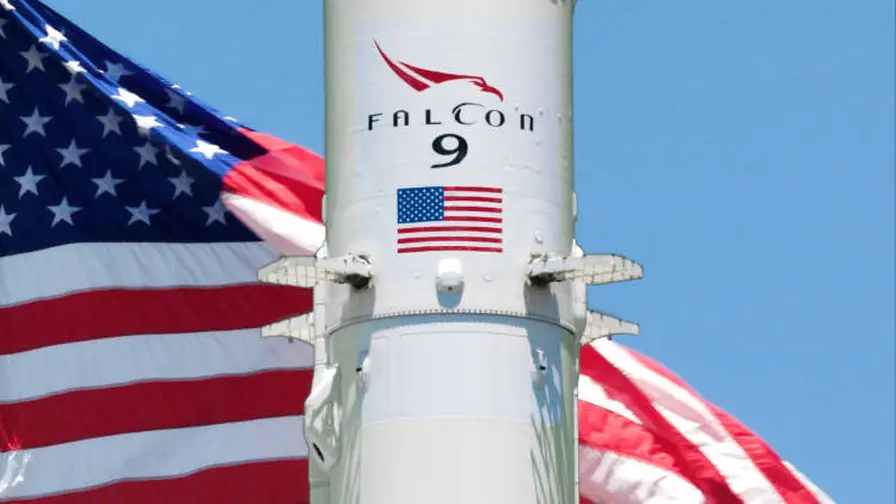
All 165 orbital launches in 2025 used the reusable Falcon 9 first stage. SpaceX’s Falcon 9 fleet delivered both small rideshare payloads and heavy telecommunications satellites across this record year. Earlier statistics had noted 150 Falcon 9 missions; the final tally rose as additional flights completed the year.
Why almost every booster came home
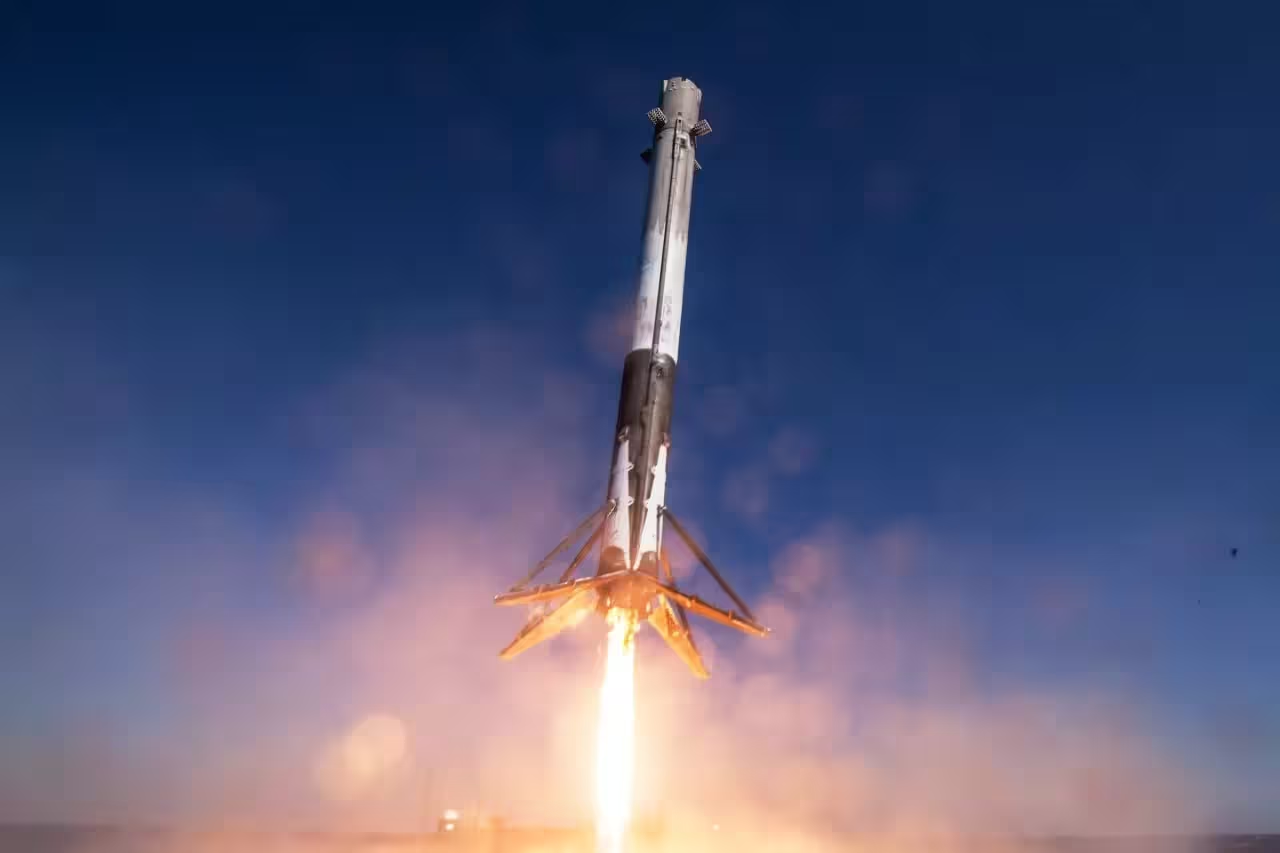
Recovery rates were impressive: boosters successfully returned intact in all but three flights. Two of those exceptions involved heavy Spainsat NG telecommunications satellites launched in January and October. Those missions pushed the rocket near its performance limits, leaving insufficient fuel margins for a propulsive return. The third anomaly occurred on a March Starlink mission when a booster landed on an ASDS recovery ship but suffered a nearby fire that damaged a landing leg, causing the vehicle to topple afterward.
Starlink expansion and constellation scale
Starlink missions represented the bulk of flights: 123 out of 165 Falcon 9 launches carried Starlink satellites. Across those missions more than 3,000 satellites were added to the network in 2025 alone, bringing SpaceX’s active constellation to over 9,300 satellites. That scale supports global broadband ambitions but raises questions about orbital traffic management, spectrum coordination, and long-term debris mitigation.
Starship’s test program: progress and milestones
Alongside Falcon 9 activity, SpaceX conducted five suborbital flight tests of its giant Starship vehicle in 2025. Starship is designed as a fully reusable heavy-lift system—the most powerful rocket ever built. Early flights lost at least one stage in three of the first launches, but the two later tests in August and October were successful, demonstrating improved stage recovery and systems reliability.
What this means for the space industry
SpaceX’s 2025 performance highlights how reusable launch technologies compress costs and increase flight frequency. For satellite operators, that means faster constellation deployment and cheaper replacement launches. For regulators and other operators, it underscores the need to upgrade space traffic coordination, collision avoidance protocols, and sustainable practices for large constellations.
Looking ahead, Starship promises to open new markets—heavy cargo to deep space, rapid global payload delivery, and eventually crewed missions beyond low Earth orbit. Meanwhile, Falcon 9 will likely continue its high-tempo role, balancing routine Starlink deployments with commercial and government payloads.

Leave a Comment
Comments
No comments yet. Be the first.