

3 Minutes
Good news for dark chocolate fans: a new population study links higher blood levels of theobromine, a compound abundant in cocoa, with signs of slower biological aging. Researchers used DNA-based aging markers to compare metabolic fingerprints and found a statistically significant association — though the authors caution this is not an invitation to binge on candy bars.
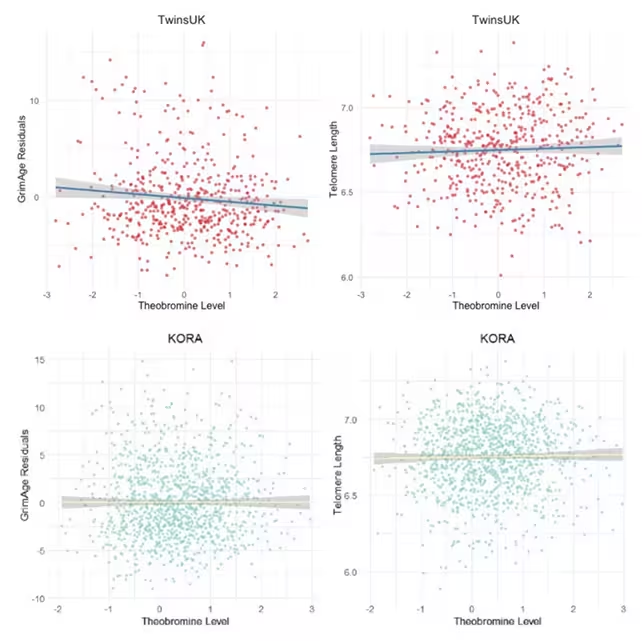
Theobromine levels were linked to biomarkers of slower aging.
What the study measured and why it matters
A team led by scientists at King’s College London analyzed blood samples from 1,669 participants drawn from two registries, searching for breakdown products of dietary compounds such as caffeine and theobromine. They then compared those chemical signatures with two established biomarkers of biological age derived from DNA methylation patterns and telomere-associated signals.
DNA methylation refers to small chemical tags that modify gene activity as we age; telomeres are protective caps at chromosome ends that shorten over time. Together these measures give a readout of biological age that can differ from chronological age — a lower biological age suggests the body is maintaining function and resisting age-related decline.
Key findings: theobromine stands out
After controlling for other common dietary chemicals found in cocoa and coffee, the researchers report that theobromine was the only compound with a consistent association to younger epigenetic age profiles. The signal was robust across the combined dataset, indicating that people with higher circulating theobromine tended to show methylation patterns and telomere indicators consistent with slower aging.
Not proof of causation
Importantly, the study is observational. As clinical geneticist Ramy Saad from King’s College notes, 'This is a very exciting finding, and the next important questions are what is behind this association and how can we explore the interactions between dietary metabolites and our epigenome further?'
Coauthor Jordana Bell adds that the research reveals links rather than prescriptions: 'Our study finds links between a key component of dark chocolate and staying younger for longer. While we're not saying that people should eat more dark chocolate, this research can help us understand how everyday foods may hold clues to healthier, longer lives.'
Possible mechanisms and practical caveats
Alkaloids like theobromine can interact with cellular pathways that regulate gene expression and inflammation, which in turn could influence aging-related processes. The authors suggest future research should explore whether theobromine works alone or synergistically with other cocoa compounds such as polyphenols.
That said, dark chocolate products vary widely. Many contain added sugar and fat that negate potential health benefits. The study team and outside experts remind readers that dietary context matters: theobromine may be most beneficial as part of a balanced, lower-sugar diet.
Ricardo Costeira, a molecular biologist involved in the project, emphasizes the broader value of these population-level analyses: 'While more research is needed, the findings from this study highlight the value of population-level analyses in aging and genetics.'
Why scientists are excited — and cautious
The global population is living longer, but added lifespan does not always mean healthier years. Identifying dietary metabolites that correlate with slower biological aging could point to new prevention strategies or therapeutic leads. Still, translating an observational association into clinical advice requires careful follow-up: randomized trials, mechanistic lab work, and studies across diverse populations.
For now, the takeaway is measured optimism. Theobromine joins a growing list of dietary compounds that might influence the epigenome and, by extension, healthy aging. Researchers will next aim to replicate these findings and test how theobromine and other cocoa constituents interact with human biology over time.














Leave a Comment
Comments
No comments yet. Be the first.