
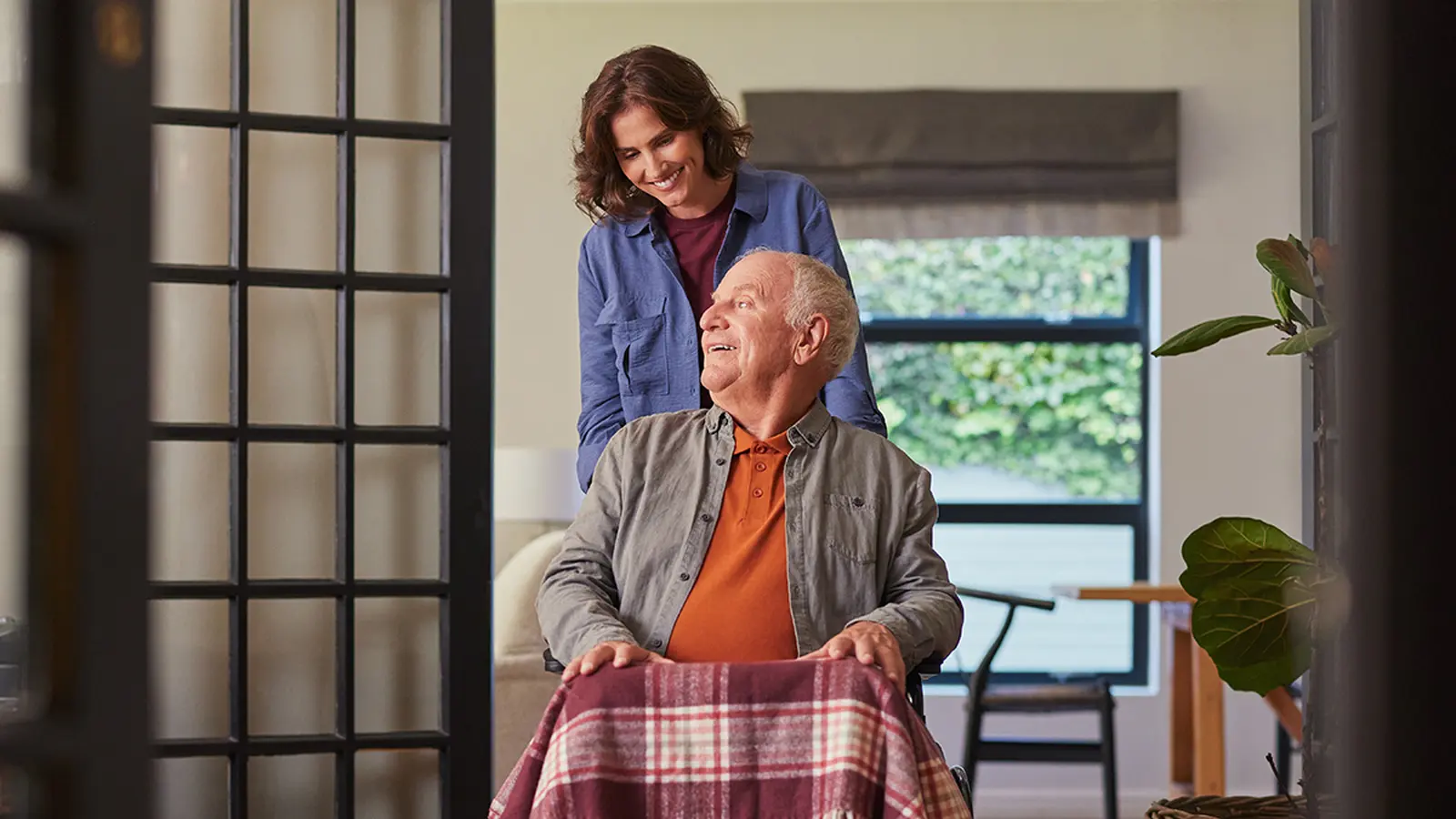
New long-term research suggests that lending a hand — whether through formal volunteering or informal help to friends and neighbors — is linked with a measurable slowing of cognitive aging in older adults. The effect appears strongest for consistent, moderate engagement of a few hours a week.
How researchers measured helping and the brain
A team from the University of Texas at Austin and the University of Massachusetts Boston analyzed nearly two decades of telephone survey data from 31,303 people aged 50 and over. Participants completed routine cognitive tests while researchers tracked their helping behaviors — from formal volunteering with organizations to informal acts of support for family, friends, and neighbors.
Key findings: a consistent, modest boost to brain health
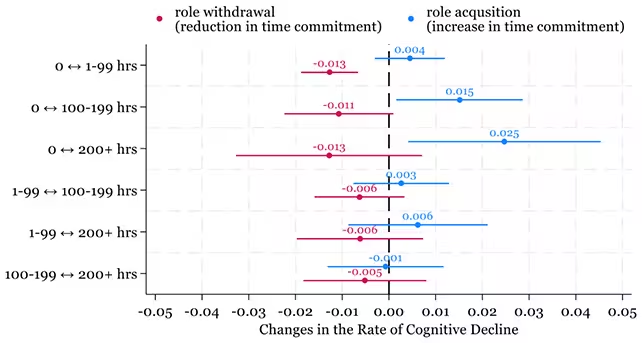
The study, published in Social Science & Medicine (Han et al., 2025), reports that people who regularly helped others showed a roughly 15–20% slower rate of cognitive aging compared with those who did not. That effect was most apparent for people who spent about two to four hours per week giving assistance — roughly 100 hours per year.
Importantly, the cognitive gains were cumulative. Sustained, long-term engagement — not just occasional one-off volunteering — produced the clearest results. The researchers also noted that both structured volunteering and informal helping produced similar benefits, countering the assumption that only recognized, formal roles offer health returns.
"What stood out to me was that the cognitive benefits of helping others weren't just short-term boosts but cumulative over time with sustained engagement," said Sae Hwang Han, social scientist at UT Austin. "Moderate engagement of just two to four hours was consistently linked to robust benefits."
Why helping others might protect the brain
Because this is observational research, it does not prove a direct cause-and-effect link. Still, several plausible mechanisms could explain the association. Helping others often involves social interaction, planning, problem-solving and mild physical activity — all of which stimulate neural networks tied to memory and executive function. Previous studies have shown loneliness can worsen cognitive decline, while social engagement and physical activity help preserve cognitive abilities.
Behavioral and social pathways
- Mental stimulation: organizing tasks, remembering appointments, and making decisions during helping activities can strengthen cognitive circuits.
- Social connection: regular contact reduces isolation, which is a known risk factor for dementia.
- Physical movement: even light activity linked to helping (walking, carrying items) supports vascular health that benefits the brain.
Practical implications for older adults and communities
With dementia and cognitive impairment on the rise globally, researchers emphasize modifiable lifestyle factors — things people can change. Volunteering and everyday helping are low-cost, community-based options that can preserve social ties and mental engagement. The study also found that when people stopped helping, their cognitive scores tended to decline faster, underlining the value of sustained participation.
That means local organizations, senior centers, and community groups should consider expanding flexible, low-demand opportunities that allow older adults of varied health to contribute. Two to four hours per week appears to be the practical sweet spot: beneficial without being exhausting.
What the research doesn't settle
Because the study relies on observational data, it cannot rule out reverse causation: people with sharper cognition may be more able or motivated to help. The authors acknowledge this limitation and call for experimental or intervention trials that assign volunteering opportunities to evaluate causal effects more rigorously.
Practical next steps
If you or someone you care for wants to try this approach, start small. Look for neighborhood programs, buddy systems, or roles at local nonprofits that require only a couple of hours weekly. Even informal gestures — helping a neighbor with groceries, checking in on a friend — can be part of a brain-healthy routine.

Leave a Comment
Comments (2)
Is this even causal? Could sharper minds just be more likely to help, not vice versa. Needs randomized trials, not only surveys, imo
wow never thought tiny acts like that could add up, really. Two hours a week? doable, but who'll track it lol. feels kinda hopeful tho