
3 Minutes
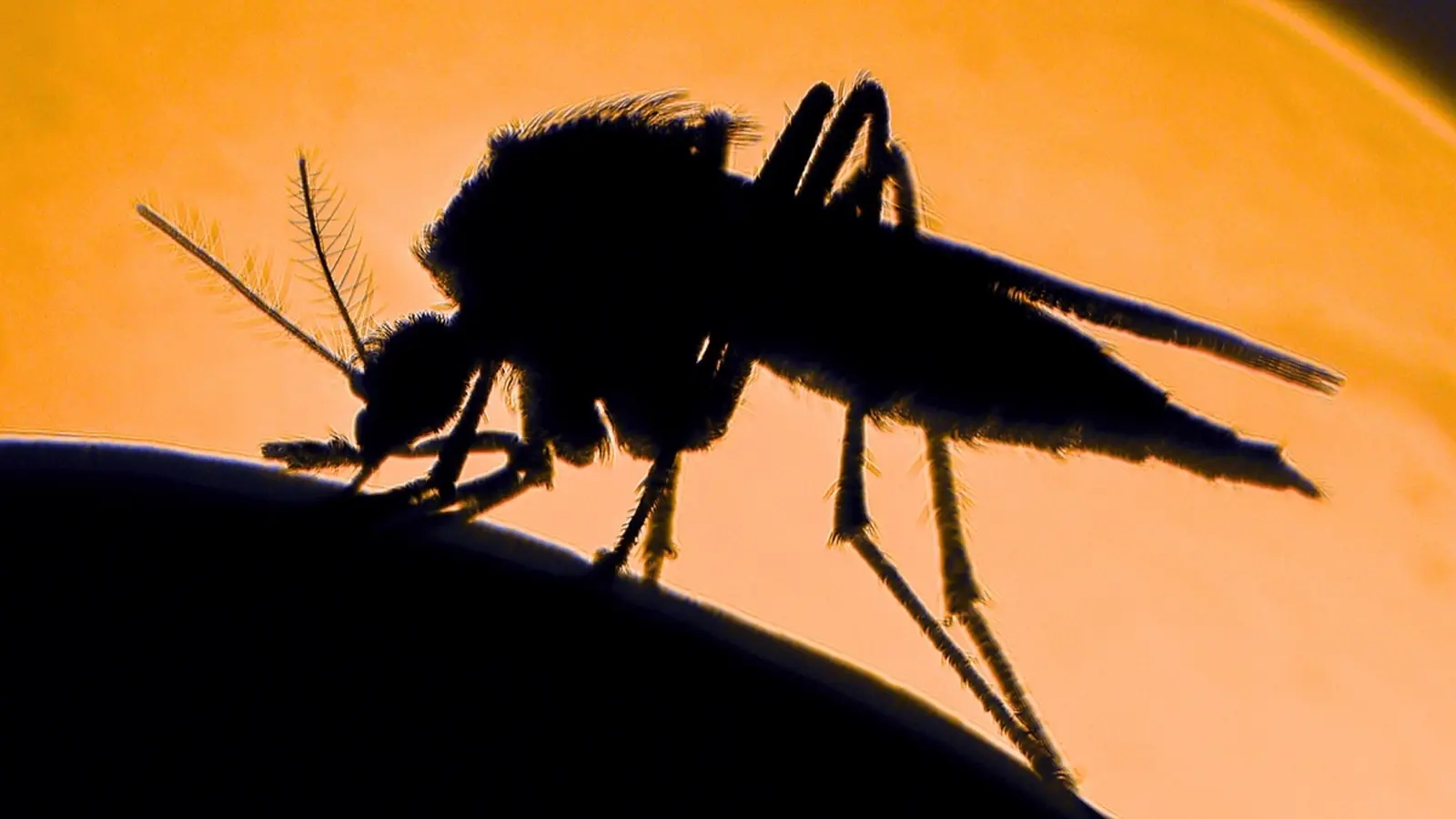
Imagine a tiny flying sampler, sipping blood and unknowingly logging the presence of dozens of animals across a landscape. New research from the University of Florida shows that mosquito blood meals can act as a powerful, low-cost tool for biodiversity monitoring, identifying a broad spectrum of vertebrates from frogs to cows.
How mosquitoes become mobile eDNA samplers
Researchers led by entomologists Lawrence Reeves and Hannah Atsma captured more than 50,000 mosquitoes over eight months in a 10,900-hectare protected reserve in central Florida. The collection included 21 mosquito species; DNA extracted from a few thousand blood-fed females revealed genetic traces from 86 different animal species. That amounts to roughly 80% of the vertebrates the team expected mosquitoes to feed on in that area.
Using DNA metabarcoding — a technique that amplifies and sequences short, diagnostic fragments of DNA — the team matched blood-meal DNA to species across a spectrum of life histories: arboreal and terrestrial mammals, amphibians, migratory birds, and even invasive or endangered species. Notably absent were subterranean animals like the eastern mole and one large mammal, the endangered Florida panther (Puma concolor couguar).
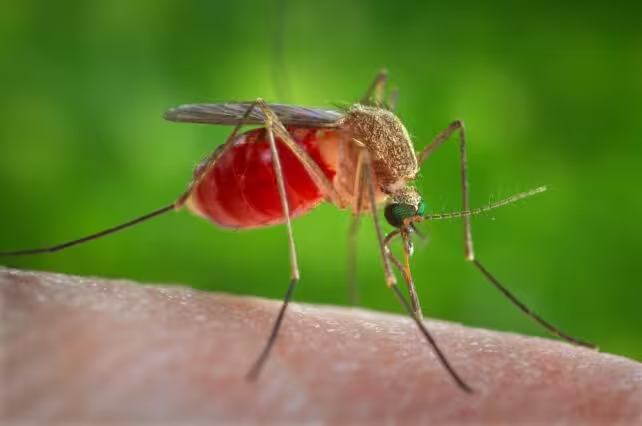
Close up of a mosquito with blood filled abdomen Mosquitoes are biological DNA sampling machines.
Study details and comparative findings
In a second complementary study led by biologist Sebastian Botero-Cañola, the team compared mosquito-derived detections with conventional field surveys. Sampling mosquitoes during their peak activity windows performed comparably to direct surveys in many cases. However, during dry seasons traditional methods retained an edge for certain animals.
These results suggest that mosquito blood-meal analysis can broaden the taxonomic reach of biodiversity assessments. Where camera traps, acoustic detectors, or visual transects are biased toward specific groups (large mammals, calling birds, or vocal amphibians), mosquito-derived environmental DNA (eDNA) captures a mixed snapshot — a blend of species that visit the same habitat and are bitten by local mosquitoes.
Why this matters for conservation and monitoring
Field surveys are expensive, time-consuming, and require specialist taxonomic knowledge. Mosquito-based sampling reduces some of those barriers: traps are cheap, field deployment is straightforward, and labs can process many samples in parallel. For resource-limited conservation programs, this approach may offer a scalable way to detect invasive species early, monitor endangered populations, or prioritize sites for more intensive surveys.
Reeves acknowledges the irony: mosquitoes are widely reviled, yet in this context they become inadvertent sentinels for ecosystem health. Atsma and colleagues emphasize that while the technique shows strong promise, it needs validation across different climates, ecosystems, and mosquito communities before it can be a routine monitoring tool.
Practical limits and next steps
There are clear constraints. Mosquito feeding preferences, seasonal abundance, and the degradation rate of ingested DNA all shape detection probability. Fossilized mosquitoes—à la Jurassic Park—remain unlikely repositories of intact ancient genomes. But for present-day biodiversity management, mosquito-derived DNA offers a complementary, often cost-effective method to expand detection coverage.
Both studies were published in Scientific Reports and underline an important trend in conservation biology: leveraging organisms and modern sequencing to make biodiversity surveys faster, broader, and more affordable.










Leave a Comment
Comments
No comments yet. Be the first.