
4 Minutes
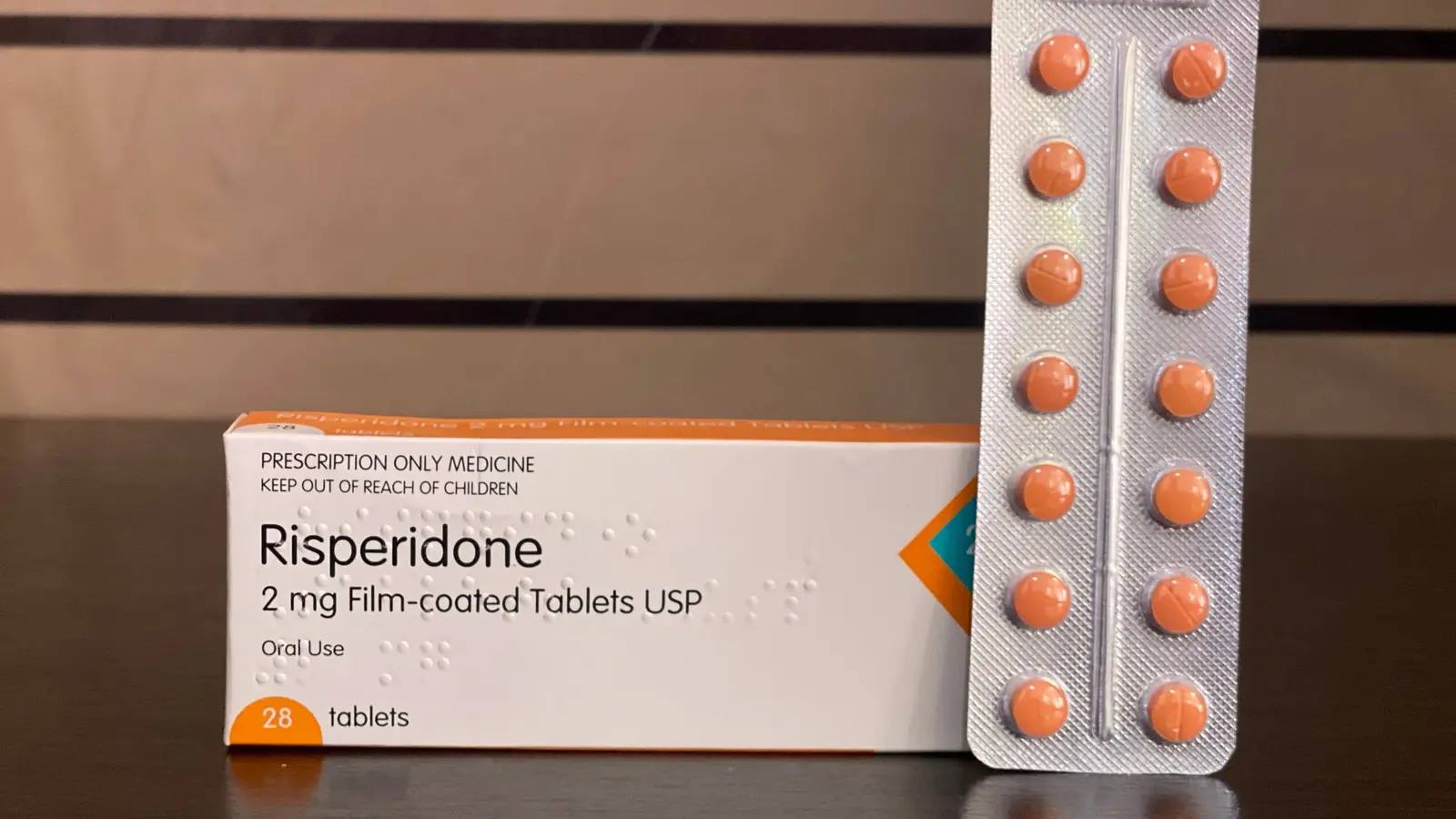
A major UK analysis of more than 165,000 people living with dementia has found that the antipsychotic risperidone raises stroke risk across the board — even in patients without prior cardiovascular disease. The study challenges assumptions about who can use this medication safely and renews questions about prescribing and monitoring standards.

A study of dementia patients suggests that risperidone may increase stroke risk regardless of a person’s medical history, challenging long-held assumptions about who can use the drug safely.
Large database study overturns comfort zones
Researchers interrogated anonymized NHS health records spanning 2004 to 2023 to compare outcomes in people with dementia prescribed risperidone against matched controls not receiving the drug. The sample — more than 165,000 patients — provides one of the most comprehensive looks to date at the medication's safety in routine care settings.
Risperidone is an antipsychotic frequently used to manage severe agitation and aggression in people with dementia, especially in care homes when non-pharmacological approaches fail. Because agitation affects roughly half of people with dementia at some point, clinicians and families often face agonizing decisions about whether to try drugs that can reduce distress but carry serious risks.
What the data show: numbers that matter
The investigators reported measurable increases in stroke rates both for patients with a prior stroke and for those without. Among people who had previously experienced a stroke, the annualized event rate rose to about 22.2 per 1,000 person-years for risperidone users, compared with 17.7 per 1,000 in matched non-users. For people without a prior stroke the absolute rates were lower but still significant: 2.9 versus 2.2 per 1,000 person-years.
Short-term exposure raises alarm

Interestingly, the elevated risk was particularly apparent during short-term exposure — roughly the first 12 weeks of treatment. That pattern suggests a temporal link between starting risperidone and stroke events, rather than only cumulative long-term harm.
Clinical implications and gaps in guidance
These findings complicate existing clinical practice. In the UK, NHS guidance limits risperidone prescribing for severe behavioural symptoms to six weeks, yet many patients end up taking it for longer and monitoring is inconsistent across regions. The study authors note that risperidone is the only drug licensed for this specific indication in dementia, leaving clinicians with limited pharmacological alternatives.
Dr. Byron Creese of Brunel University, one of the lead investigators, emphasised the study's practical message: clinicians had hoped to identify subgroups who could take risperidone with lower risk, but instead the increased stroke risk showed up across patient profiles. That pattern means risk–benefit discussions must be explicit, personalised and documented — particularly when non-drug strategies have been exhausted.
What this means for patients, families and services
- Shared decision-making matters: doctors should explain both the potential short-term benefits in severe agitation and the elevated stroke risk, using concrete numbers when possible.
- Monitoring needs standardisation: the study highlights unequal follow-up practices and the need for dementia-specific safety protocols.
- Alternatives remain limited: research into non-pharmacological interventions and safer medications is urgent, given the lack of licensed alternatives in the UK.
Because people with prior stroke already face higher baseline risk, attributing a new stroke solely to risperidone can be clinically complex. Still, the uniform increase in risk across groups strengthens the case for updated, person-centred guidance informed by these data.
Expert Insight
"This study gives us clearer, population-level evidence about the trade-offs involved when prescribing risperidone for agitation in dementia," says Professor Maria Alvarez, a geriatric psychiatrist at a UK teaching hospital. "In practice, that means clinicians should prioritise non-drug approaches, set strict time-limited goals when drugs are used, and ensure rapid, consistent monitoring for vascular events. Families need transparent discussions about what the medication can and cannot do."
The new analysis, published in a leading psychiatric journal, is likely to prompt debate and potential revisions to clinical pathways. For now, it reinforces a cautious approach: reserve risperidone for clearly defined, severe cases after other options have failed, and monitor patients closely during the early weeks of treatment.














Leave a Comment
Comments (2)
Is this even true? data looks big but confounding could explain it. hope guidelines update fast, but hmm…
wow this is worrying, thought risperidone was safer for some ppl... short term risk? families gonna be freaked, docs need clearer rules