

3 Minutes
Laboratory research suggests a single experimental compound could act on two leading causes of death: metabolic dysfunction and atherosclerotic heart disease. Early mouse studies show the drug alters blood lipids and dampens vessel inflammation — changes that may help prevent plaque buildup and subsequent cardiovascular events.
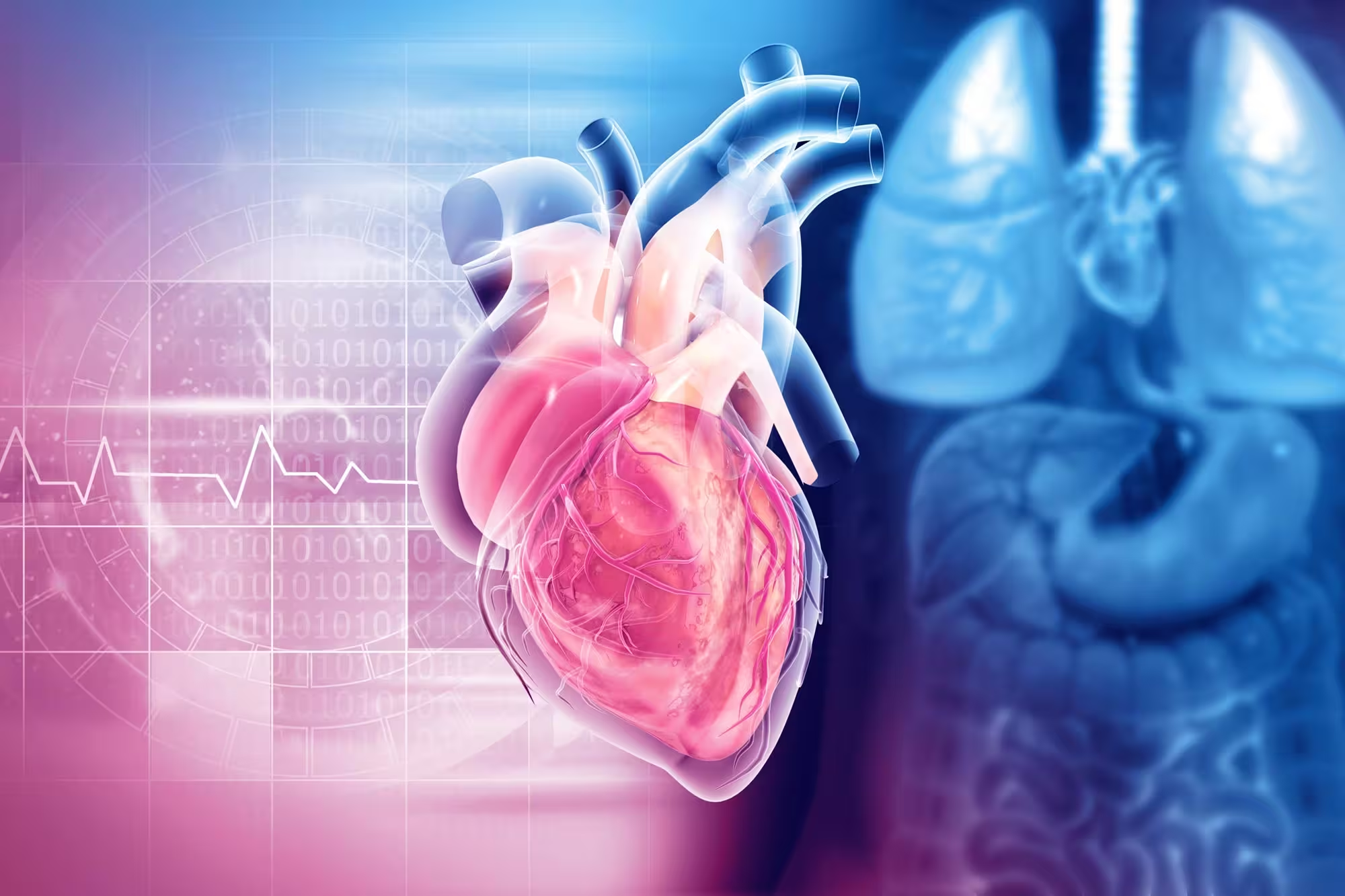
Scientists are exploring a new way to target cardiovascular risk by intervening in the metabolic processes that drive artery damage. In early experiments, a novel compound altered blood lipid levels and inflammatory signals linked to heart disease progression.
What the new study tested and discovered
The research, published in Science Advances, stems from a collaboration led by Leiden University Medical Centre with partners including Monash University. Investigators evaluated IC7Fc, an investigational compound previously associated with improved glucose control in type 2 diabetes models, for its effects on atherosclerosis in mice genetically prone to cardiovascular disease.
In preclinical trials, IC7Fc produced measurable declines in circulating triglycerides and cholesterol — two key blood‑lipid markers tied to plaque formation. Treated animals also developed fewer fatty plaques along arterial walls, and tissue analysis revealed lower inflammatory signaling within the vessels. Since chronic inflammation and lipid accumulation drive heart attacks and strokes, these combined shifts point to a compound that influences multiple pathways of cardiovascular risk rather than a single target.
From metabolic therapy to artery protection
IC7Fc was first studied for metabolic benefits: earlier work found it reduced appetite and body fat in obese mouse models, improving glucose control in type 2 diabetes. In the atherosclerosis experiments, however, investigators used lean mice with genetic susceptibility to high cholesterol. Notably, IC7Fc reduced lipid and inflammation markers in these animals without changing body weight or food intake, suggesting the compound’s cardiovascular effects may be at least partially independent of weight loss.
“Our previous studies linked IC7Fc to improvements in type 2 diabetes. Now we see evidence it can slow atherosclerosis as well,” said Professor Mark Febbraio of Monash Institute of Pharmaceutical Sciences. He and colleagues propose the drug could offer dual benefits: metabolic control in patients with obesity and diabetes, and direct vascular protection in those at cardiovascular risk regardless of body weight.
Why this matters and the road ahead
Heart disease remains the world’s leading killer, and many patients retain substantial residual risk even after standard therapies like statins and blood pressure control. A treatment that reduces both harmful lipids and vessel inflammation could complement existing strategies or provide options for people who do not fully respond to current drugs.
That said, these results are preclinical. Mouse models can mimic aspects of human disease but do not guarantee the same efficacy or safety in people. The research team stresses further work is essential: dose optimization, long‑term toxicity studies, and ultimately carefully designed clinical trials to test IC7Fc in humans.
Potential implications for patients and clinicians
- IC7Fc could become part of combination approaches targeting both metabolic syndrome and atherosclerosis.
- Because the drug lowered lipids without weight change in lean mice, it may help patients who develop atherosclerosis despite normal body weight.
- Translational steps will need biomarkers, imaging of plaque changes, and safety assessments in diverse human populations.
While still early, the findings open a compelling avenue: a single molecule that addresses interconnected processes underlying diabetes and cardiovascular disease. If subsequent studies confirm similar benefits in people, IC7Fc or related compounds could reshape prevention strategies for millions at risk from metabolic and heart disease.













Leave a Comment
Comments
No comments yet. Be the first.