
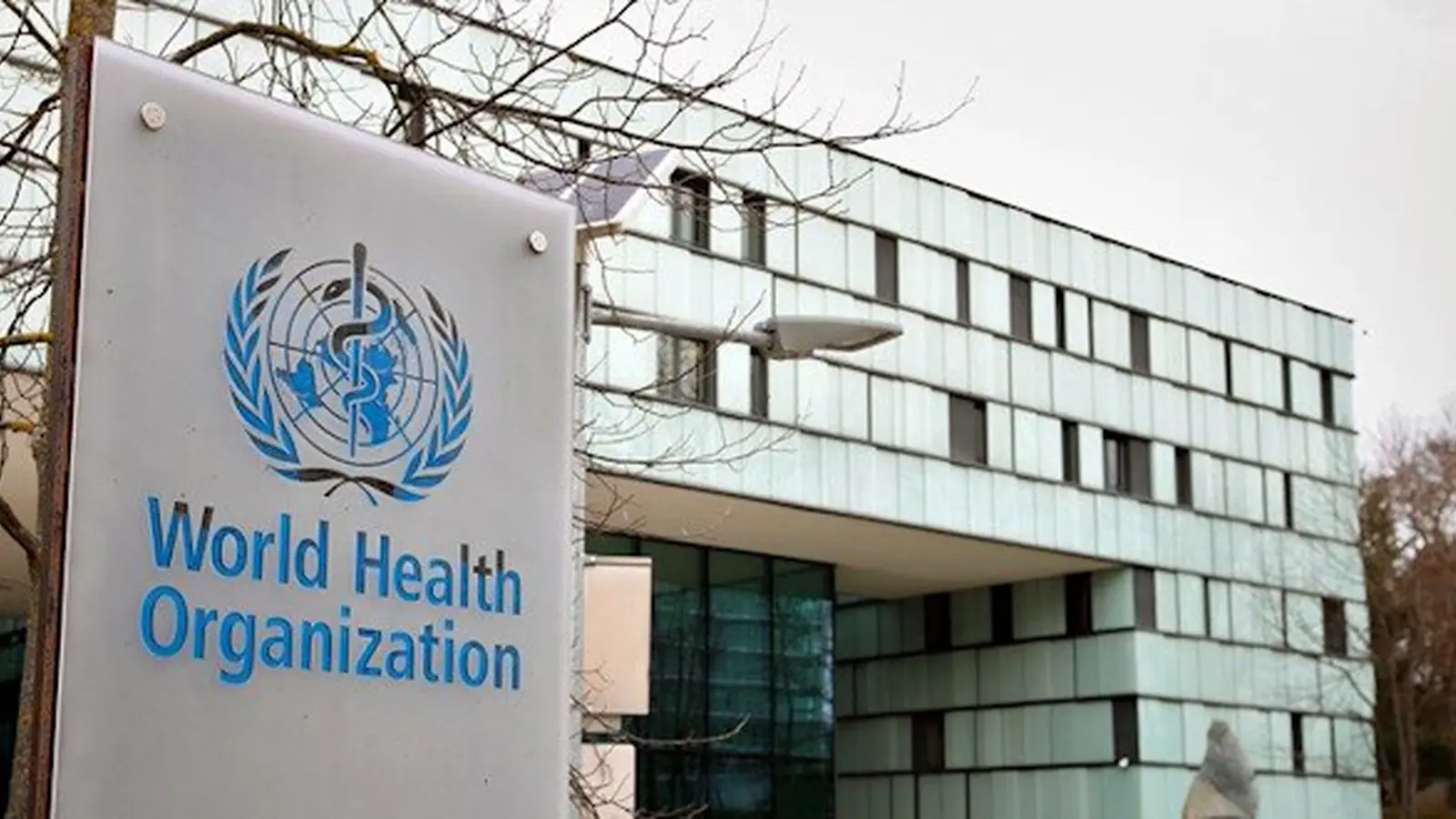
On January 22, 2026 the United States formally withdrew from the World Health Organization, following an executive order by President Trump. The move terminates US funding to WHO and recalls federal staff from Geneva and other WHO offices, setting up a new chapter in global health governance.
Why Washington pulled out and what it changed
The administration cited alleged WHO mismanagement during the COVID-19 pandemic as the primary rationale. That criticism has been public since the pandemic's early stages, and the executive order converted political disagreement into concrete policy: a full suspension of government contributions and a withdrawal of US personnel from WHO headquarters and field offices.
In practical terms, the decision immediately reduces WHO's budget and removes experienced US experts from global coordination tables. Historically, US agencies such as the Centers for Disease Control and Prevention participated directly in international processes that track pathogens, set vaccine strain recommendations, and coordinate emergency responses. Those lines of communication are now uncertain.
Implications for surveillance, vaccines and pandemic preparedness
One of the most tangible consequences is the potential disruption to influenza vaccine strain selection and broader disease surveillance. CDC scientists have long contributed data and expertise to WHO platforms that identify circulating flu strains and advise manufacturers on vaccine composition. Without predictable US participation, these processes could be slower or more fragmented, increasing the risk of mismatch between vaccines and circulating viruses.
Public health experts warn that pathogens don’t respect borders. Dr Thomas R. Frieden, former CDC director, described the withdrawal as a serious mistake and emphasized that weakening multinational cooperation undermines both global health and American security. Imagine a new respiratory pathogen that requires rapid international sequencing, data sharing, and coordinated mitigation—those efforts depend on interoperable systems and trust between public health agencies.
Alternatives, bilateral deals and lingering questions
Officials said the US will pursue targeted, bilateral data-sharing agreements with other countries and non-governmental partners to track infectious diseases, including influenza. But these arrangements are unlikely to offer the same scope or neutrality as WHO-led networks. Key questions remain: which countries will sign agreements, how quickly will data flow, and how will access to samples and sequencing results be governed?
WHO has also updated its assessments of COVID-19 mortality and other pandemic-era metrics, prompting renewed debate about global reporting standards and excess mortality estimates. The organization’s role in standardizing methods and convening experts is now more visible precisely because its absence from one major member state will be felt acutely in future crises.
What to watch next
- Whether the US finalizes bilateral surveillance agreements and how transparent those will be.
- How vaccine manufacturers and national regulators adapt to potentially reduced US input on strain selection.
- Any near-term gaps in outbreak detection where multi-country coordination was previously led by WHO and US experts.
The withdrawal reshapes the architecture of global health. Science and public health communities will be watching for how governments, NGOs and private labs respond—and whether new networks can substitute for the coordination WHO provided.


Leave a Comment
Comments
No comments yet. Be the first.