
6 Minutes
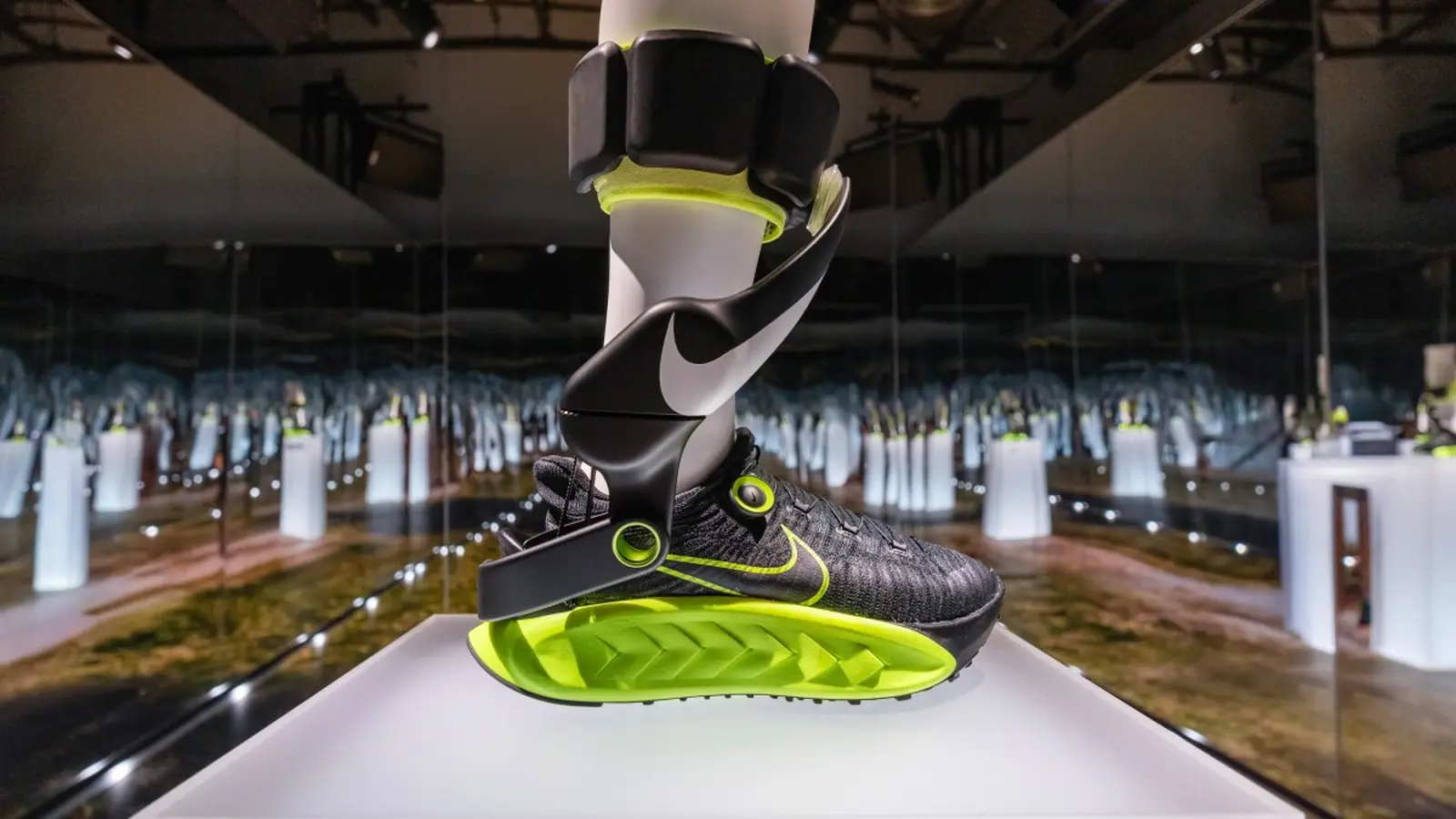
Nike and other companies are pitching a new claim: your footwear can do more than cushion or support — it can nudge your brain. Textured soles, engineered foams and “neuro-insoles” promise heightened awareness, better focus and even improved mental resilience by stimulating receptors under your feet. Is there science behind those bold claims, or are we simply buying the power of expectation?
Why the soles of your feet talk to your brain
The soles of the feet are packed with mechanoreceptors — specialized nerve endings that sense pressure, vibration, texture and motion. Signals from these receptors travel along peripheral nerves into the spinal cord and then to the somatosensory cortex, the brain area that builds a detailed map of the body. Because the feet play a central role in balance, posture and locomotion, they occupy a meaningful portion of that cortical map.
Proprioception — the brain’s sense of the body’s position in space — combines input from muscles, joints and tendons with cutaneous feedback from the feet. That interplay helps you stand steady, adjust your stride and react to uneven ground. When footwear changes the sensory picture delivered to the brain, it can change how you move, how stable you feel and, indirectly, how alert or grounded you appear.
But sensory signalling and cognitive enhancement are not the same thing. The mere activation of somatosensory regions does not mean attention, working memory or executive function have improved.

Minimalist footwear: more feeling, not necessarily more focus
Minimalist shoes—thin soles, flexible materials—let more tactile information reach the nervous system compared with heavily cushioned footwear. In lab studies, people wearing less-cushioned shoes often show increased awareness of foot placement and timing, and in some cases modest improvements in balance or gait stability.

Still, more sensation isn’t automatically better. The brain filters sensory input continuously, amplifying cues that are useful and suppressing those that are irrelevant. If you suddenly switch from plush running shoes to a pair that transmits more vibration and texture, your nervous system may initially treat the new signals as noise. That increases cognitive load: you pay more attention to your feet, which paradoxically can distract from tasks that require sustained mental focus.
So while textured insoles or novel foam geometries can make your feet feel more “present,” that heightened awareness does not equate to reliably improved concentration for healthy adults.
What neuroscience says about concentration and footwear
Concentration and attention are emergent properties of distributed brain networks. Regions such as the prefrontal cortex, parietal cortex and thalamus coordinate with neuromodulators like dopamine and norepinephrine to sustain focus. Activating the somatosensory cortex through underfoot stimulation is only one piece of a larger puzzle.
Clinical and rehabilitation studies offer a nuanced picture. Mild sensory stimulation can help specific groups — older adults working on balance, people recovering from sensory loss, or patients with certain gait disorders — by providing additional cues that make movement safer and more reliable. These are targeted, context-dependent benefits linked to motor control and safety rather than broad gains in executive function.
For the general population, robust, reproducible evidence that passive foot stimulation meaningfully improves cognitive performance is lacking. If shoes produced strong cognitive changes, scientists would expect consistent, measurable effects across independent trials. So far, that standard hasn’t been met.
Belief, placebo and embodied experience: the invisible boost

Don’t discount people’s reports of feeling more focused in new footwear. Expectation and belief shape perception powerfully. Placebo effects can alter motivation, perceived exertion and even measurable performance in sports and clinical settings. If you expect a shoe to make you more attentive, you may experience improved confidence, sharper perception of your stride and a willingness to push harder — all of which influence real-world outcomes.
There’s also growing interest in embodied cognition: the idea that bodily states — posture, balance, movement — influence cognitive processes and emotions. A shoe that subtly improves posture or reduces discomfort could make someone feel calmer or more composed, which in turn can make concentration feel easier. These indirect pathways are important, but they differ from the marketing claim that a shoe directly “alters the mind.”
Where marketing oversells and where it’s plausible
The scientific reality: footwear can change sensory input, posture and movement. That’s well supported by neuroscience and clinical practice. But translating those sensory changes into consistent improvements in attention, working memory or cognitive control for the average person is a much bigger claim — one that current evidence does not substantiate.
Marketing often collapses the distinction between sensory modulation and cognitive enhancement. Words like “mind-altering” or “neuro-active” tend to blur scientific nuance in service of a striking headline. In contrast, credible claims would be specific: improved proprioceptive feedback, reduced joint load, or better balance in certain populations. Those are measurable and meaningful.
Practical takeaways for consumers
- If you have balance problems, neuropathy or a gait disorder, footwear that enhances sensory feedback can be part of a therapeutic strategy — under clinical guidance.
- Switching to minimalist or highly textured shoes can increase awareness of your feet, but allow an adaptation period to avoid discomfort or distraction.
- If a shoe makes you feel more focused, the effect may be real for you through expectation, improved posture, or reduced discomfort — even if the mechanism is indirect.
- For lasting cognitive gains, rely on proven strategies: consistent physical activity, quality sleep, deliberate training and attention exercises rather than a single gadget or garment.
Expert Insight
"Footwear is a powerful input channel to the nervous system, but it's only one of many," says Dr. Elena Ruiz, a neurophysiologist at a major research university. "We see meaningful benefits from enhanced sensory feedback in targeted clinical settings, but converting that into generalized cognitive enhancement for healthy individuals is a leap. If new shoes make you feel more confident and engaged, that's valuable — just don't expect them to replace training, sleep, or focused practice."

The bottom line: shoes can change how you feel in your body and how you move through space. Those somatic shifts can influence mood, confidence and perceived attention. But the sensational claim that a sole will reliably sharpen the mind for everyone is not supported by current neuroscience. Footwear may shape the journey; the deeper cognitive changes come from sustained action.













Leave a Comment
Comments (2)
Seen this in rehab clinics, tiny balance gains for older folks. Not a brain hack tho, but helpful if targeted.
Wait, textured soles boost focus? Sounds like placebo to me. Any real trials or just hype...?