
5 Minutes
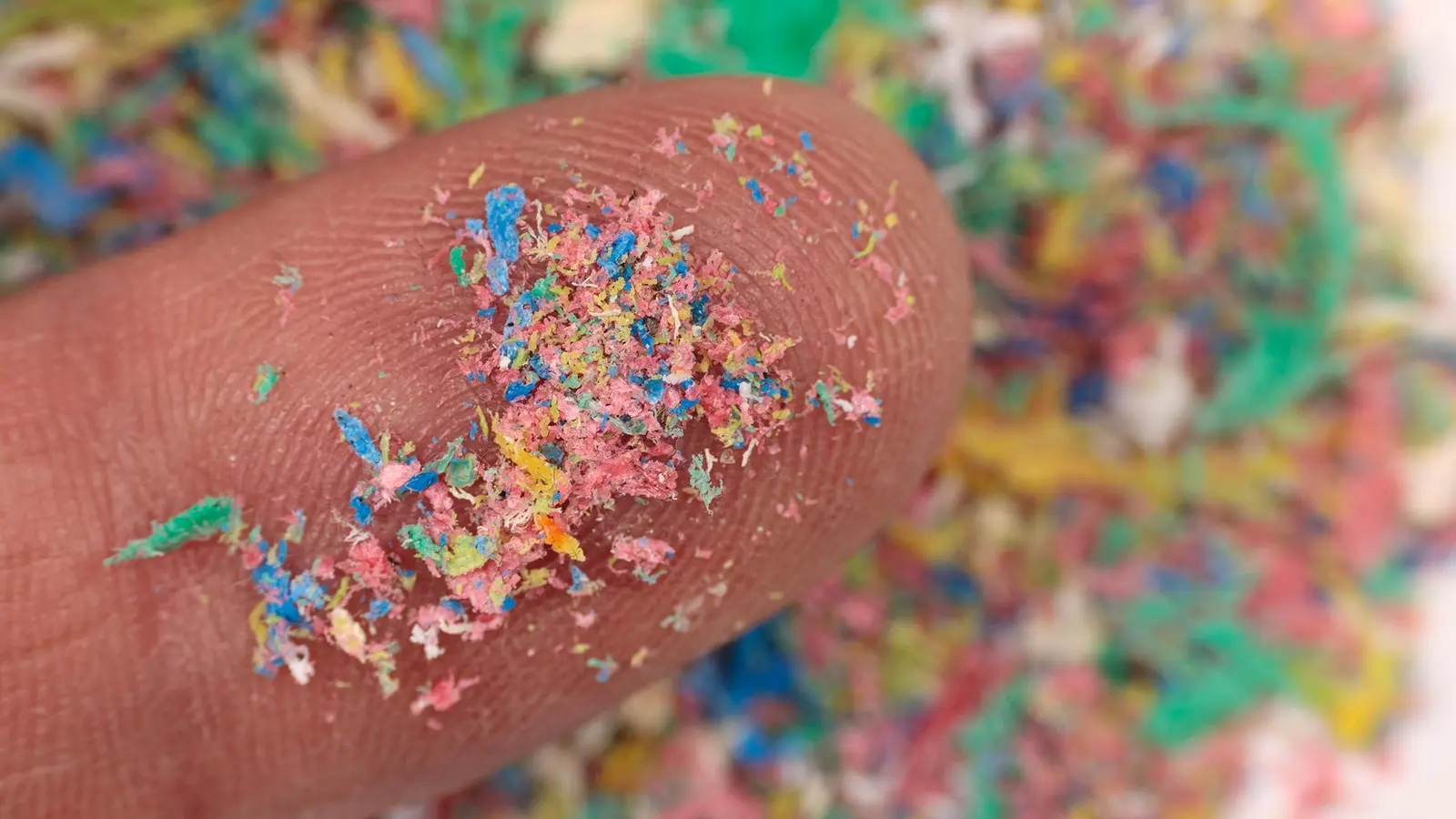
Imagine invisible grains of plastic turning the inside of a water pipe into a hardened fortress. Small enough to slip past most filters, these particles are not merely contaminants drifting in our water—they appear to be rewriting how bacterial communities organize, defend, and survive.
Tiny plastics, outsized effects
Nanoplastics—plastic fragments roughly one to 1,000 nanometers wide—have attracted attention mostly for the risk of direct ingestion. But new research led by Jingqiu Liao at Virginia Tech suggests a different, potentially larger threat: when nanoplastics enter drinking water systems, they can change the behavior of microbes that live on pipe surfaces. The result is biofilms that are mechanically stronger and more resistant to routine disinfectants.
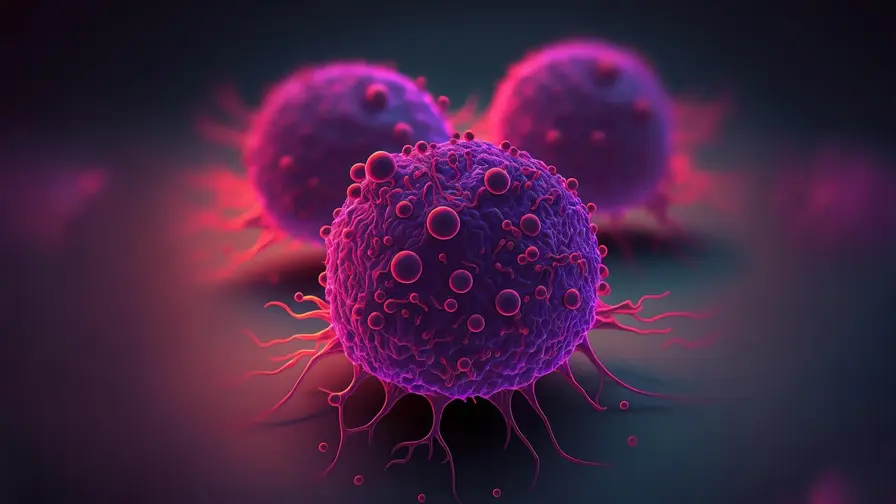
Think of a biofilm as a microscopic city. Bacteria settle on a surface, secrete a sticky matrix, and build a communal shelter. In that matrix they can hide from chemical attacks, shear forces, or flow that would remove single, free-floating cells. That shelter is useful in some engineered contexts, but inside drinking water distribution systems it is a persistent problem.
The Virginia Tech-led study focused on multispecies biofilms containing familiar environmental bacteria—Escherichia coli and Pseudomonas aeruginosa—common residents of many aquatic systems. When these biofilms encounter nanoplastic particles, a cascade of responses was observed. Cells altered their chemical signaling. They reinforced the sticky extracellular matrix. And, crucially, interactions between bacteria and bacteriophages—the viruses that prey on bacteria—shifted in ways that favored biofilm persistence.
How nanoplastics change microbial warfare
At the molecular level the study found at least three linked responses. First, bacterial communication ramps up: different species exchange signals and secrete more structural polymers, thickening and toughening the biofilm. Second, prophages—viral genomes dormant within bacterial DNA—are triggered to activate. When prophages spring into action they can lyse their host cells, releasing many new phage particles into the local environment. Third, bacteria activate antiviral defenses such as CRISPR-based systems to fight back, altering which strains survive and which do not.
Short term, viral activation sounds destructive. A burst of phage replication kills some bacteria. But ecologies are rarely simple. Cell lysis releases nutrients and DNA, which can promote biofilm regrowth and genetic exchange. In other words, a phage eruption can feed and reshape the very community that hosts it. When nanoplastics are present, the net effect observed by the researchers was a biofilm that was mechanically stronger and less susceptible to conventional disinfectants used in treatment and distribution.
Why does that matter? Because water utilities rely on predictable disinfection steps to keep distribution systems safe. If biofilms adhere more tightly and resist chemical treatment, microbes that harbor pathogenic traits or antimicrobial resistance genes can survive longer on pipe surfaces and detach downstream, potentially reaching consumers.

Implications for public health and water management
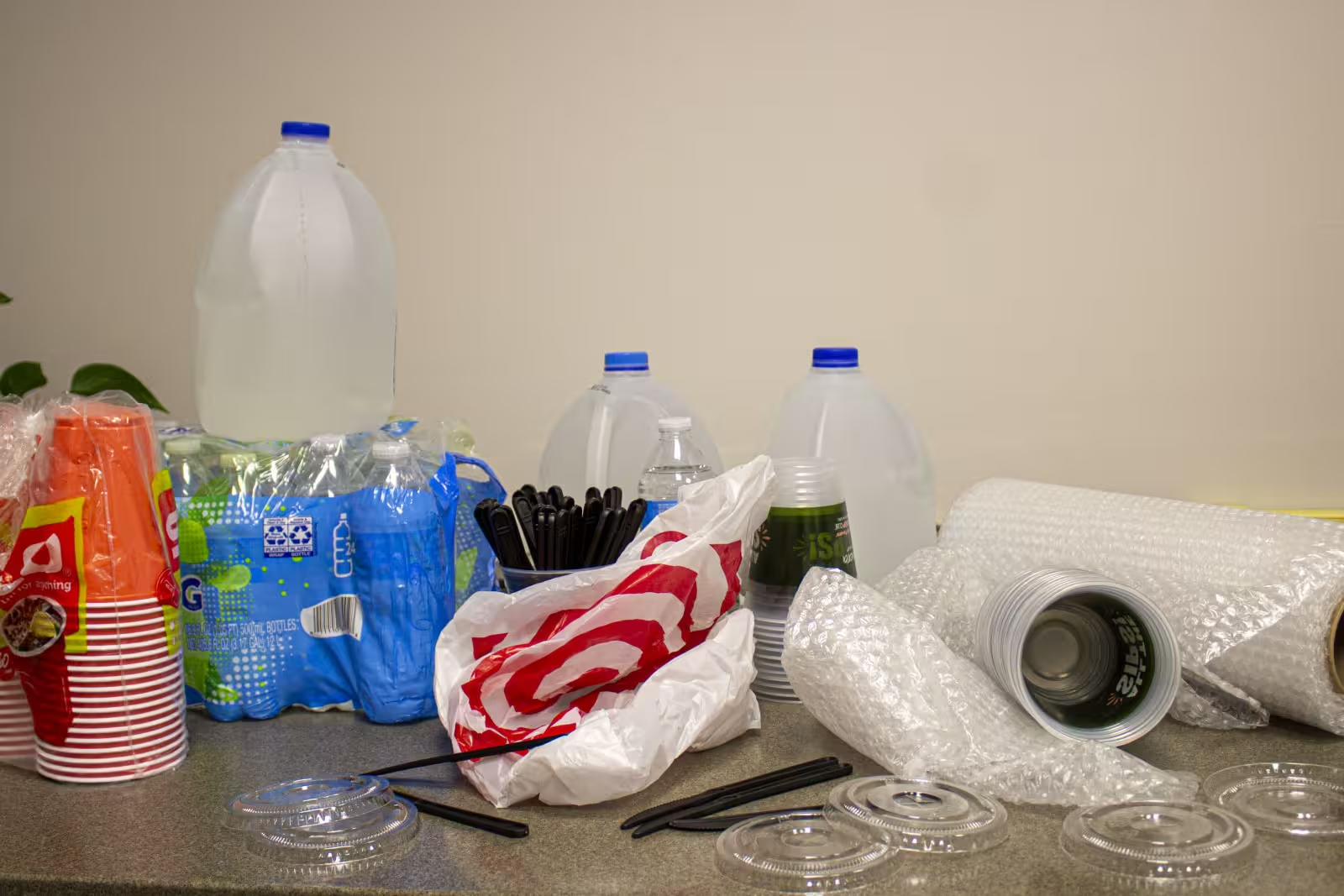
These findings widen the frame of risk for plastic pollution. It is no longer solely about what tiny plastics might do inside human bodies. It is also about how they modify ecosystems—here, engineered ecosystems of pipes and reservoirs—so those systems become better at harboring and protecting microbes. The study’s authors highlight that nanoplastics may increase the formation of difficult-to-eradicate biofilms on treatment and distribution surfaces, creating a practical challenge for water utilities.
That challenge cuts in multiple directions. Treatment technologies may need to be adjusted. Monitoring programs might have to include nanoplastic characterizations in addition to microbiological testing. And researchers will need to parse which sizes and types of plastic particles drive the strongest effects: microplastics (larger) and nanoplastics (smaller) may not behave the same way.
“It’s essential to expand our view beyond direct toxicity,” said Jingqiu Liao, the study’s lead researcher. She stresses that ecological responses—changes in how microbes interact, exchange genes, or defend themselves—can indirectly influence human health by altering the microbial composition of systems people rely on daily.
Research gaps and technical questions
The study opens more questions than it closes. What molecular triggers in bacteria detect plastic particles? How do surface chemistry and particle shape influence biofilm architecture? Which environmental conditions—temperature, flow rate, organic carbon levels—amplify or dampen these effects? The size of the plastic appears important; microplastics may prompt different ecological shifts than their nanoscale counterparts. Unpacking these mechanics will require laboratory experiments that mimic realistic water system conditions and field studies that track particle–microbe dynamics over time.
From an engineering standpoint, new strategies could emerge. Surface coatings that reduce particle adherence, targeted phage therapy that disrupts biofilms without promoting unwanted gene exchange, or advanced filtration steps that remove nanoscale particles before they reach distribution networks—each approach has trade-offs, costs, and operational hurdles.
Expert Insight
“We are beginning to see plastics as ecological agents, not inert debris,” says Dr. Karen Soto, a water microbiologist at the University of Cascadia. “That changes the way we think about risk. If tiny plastics alter viral–bacterial dynamics in biofilms, then interventions must consider biological feedbacks, not just removal of particles. It’s an ecological puzzle with public-health implications.”

The discovery that nanoplastics can modulate biofilm strength and disinfectant resistance reframes a familiar pollution problem into a microbiological one. It suggests a future in which controlling plastic fragments in source water becomes as much a part of ensuring safe drinking water as controlling microbes themselves. For utilities, researchers, and regulators, the message is clear: look for the unseen actors in the pipes.







Leave a Comment
Comments (2)
is this even true? lab setups can be weird. wanna see field studies, and differences micro vs nano. who pays for new filters tho??
wow, invisible plastics turning pipes into fortress? That's wild and kinda terrifying… we need better filters, fast