
3 Minutes
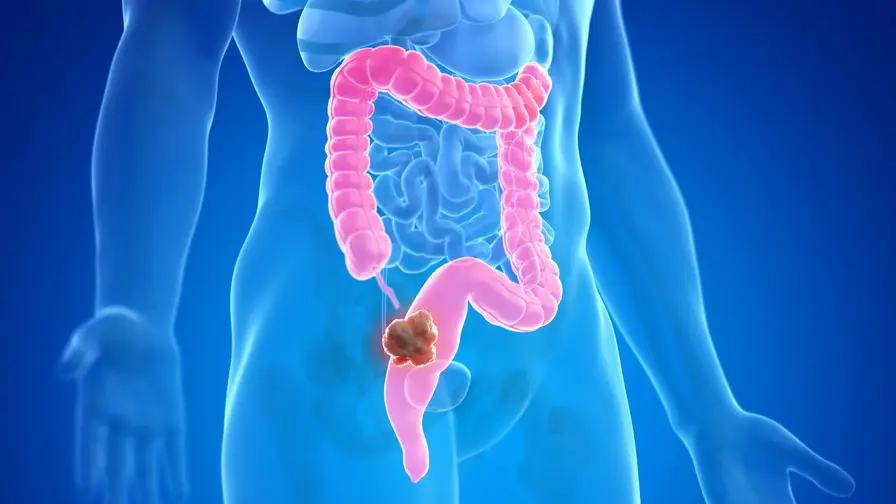
Imagine a molecule from the bacterium that causes cholera quietly finding its way into a tumor and tipping the balance against cancer. Strange. True. And the latest results from Umeå University suggest this bacterial product, known as MakA, can blunt colorectal tumor growth in mice while leaving healthy tissue largely untouched.
Researchers purified MakA, a cytotoxin secreted by Vibrio cholerae, then delivered it systemically in mouse models of colorectal cancer. The result was a clear slowdown in tumor expansion. What caught investigators’ attention was not just the reduction in tumor size but where the molecule did its work: it concentrated in the tumor microenvironment, not across the whole body. No feverish inflammation. No obvious damage to organs. Mice kept their weight and appeared healthy after repeated doses.
How MakA acts inside tumors
At the cellular level MakA appears to do two things at once. First, it increases tumor-cell death and limits proliferation — direct, cytotoxic activity. Second, and perhaps more intriguing, it remodels the tumor’s immune landscape. Tumors became richer in innate immune cells, particularly macrophages and neutrophils, which are frontline defenders capable of clearing dying cells and presenting danger signals to the rest of the immune system. The combined effect was sustained pressure on tumor growth.
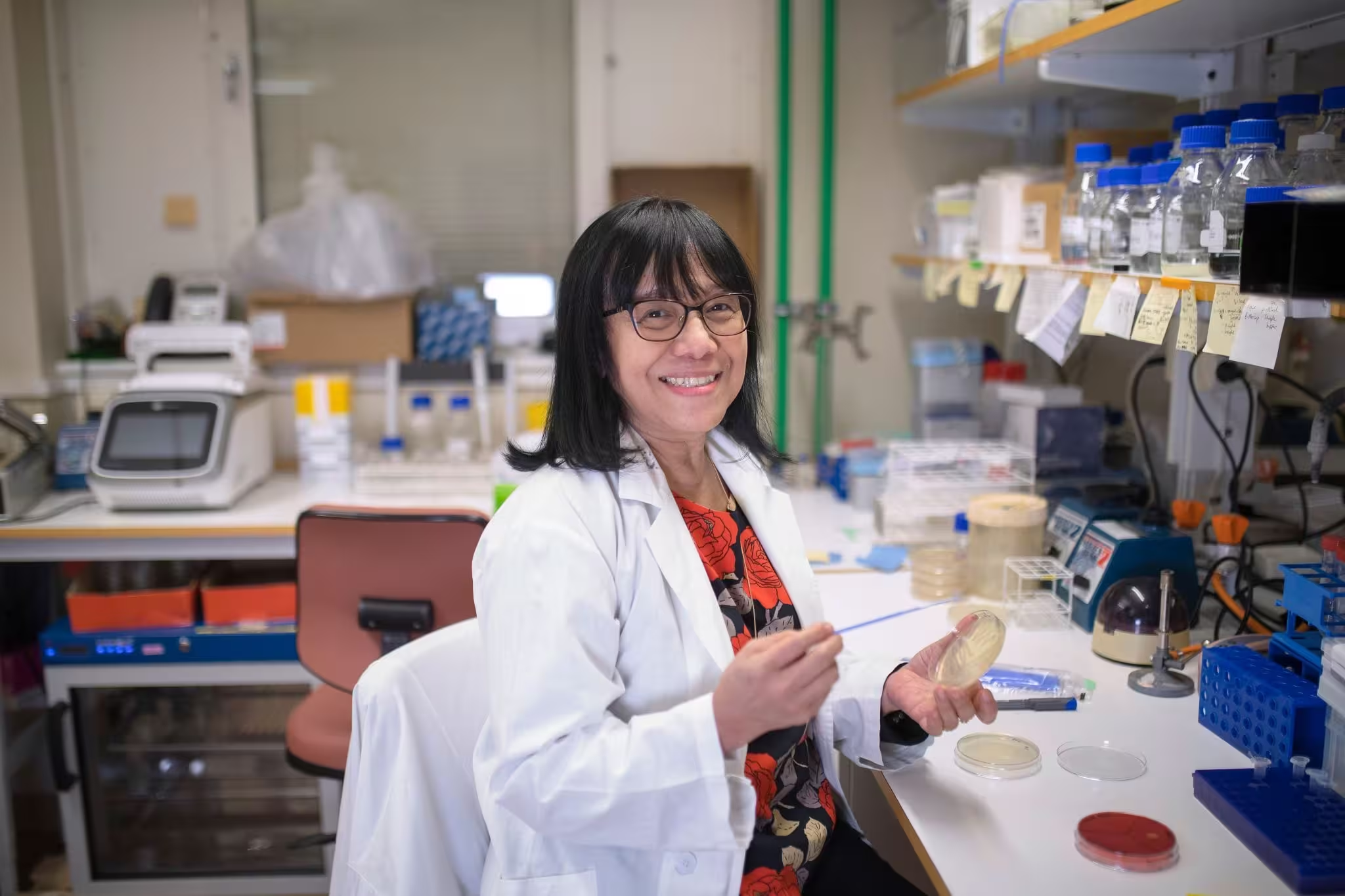
“The substance not only kills cancer cells directly,” says Sun Nyunt Wai of Umeå University, one of the lead researchers. “It reshapes the tumor environment and helps the immune system to work against the tumor without damaging healthy tissue.” That selective accumulation—MakA’s tendency to settle inside tumor tissue—may explain why the treatment avoided systemic toxicity in these early experiments.
Detailed analysis showed MakA ramps up immune mediators within tumors that favor cell death, while simultaneously maintaining regulatory checks that prevent collateral harm to surrounding tissue. In other words: local damage to cancer, not to the host.
Scientific context and implications
Colorectal cancer remains among the most common and deadliest malignancies worldwide. Standard options—surgery, chemotherapy, radiation—can be lifesaving, yet they often bring substantial side effects because they also harm healthy cells. There’s a pressing need for therapies that hone in on tumors more precisely and enlist the immune system to sustain control.
MakA represents a surprising route toward that goal. Bacterial molecules have long been studied for their roles in disease. But here, a compound from a pathogen is being repurposed as a potential targeted anti-cancer tool. The approach echoes other modern strategies in oncology that seek to alter the tumor microenvironment—making it less hospitable to cancer and more receptive to immune attack—rather than merely attacking cancer cells directly.
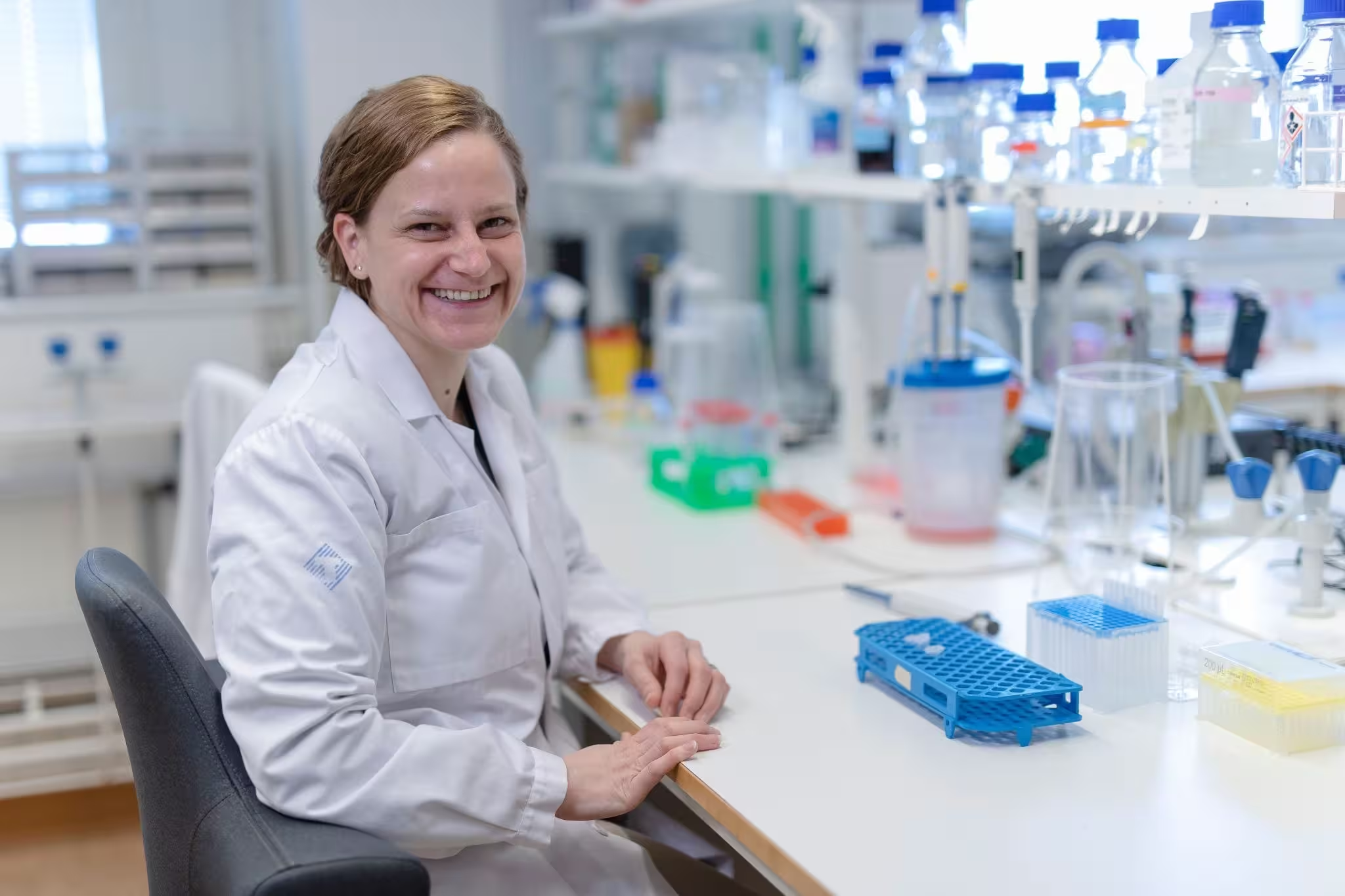
Saskia Erttmann, another study lead, emphasizes caution: these are preclinical findings. More work is essential to test MakA across different tumor models, to probe detailed mechanisms, and to map any long-term risks. There are also translational hurdles: dosing, delivery strategies in humans, and ensuring the molecule can be manufactured safely at scale.
Still, the study opens paths worth exploring. Could bacterial proteins like MakA be combined with checkpoint inhibitors, adoptive cell therapies, or localized delivery systems to amplify anti-tumor effects? Could they help convert immunologically “cold” tumors into “hot” ones that respond to existing immunotherapies? These questions will shape next-stage experiments.
The notion that a toxin, refined and redirected, might help dismantle tumors without collateral damage is provocative. If future studies confirm safety and efficacy beyond mice, MakA or MakA-inspired agents could become part of a new toolkit aimed at precision immunomodulation in cancer care.

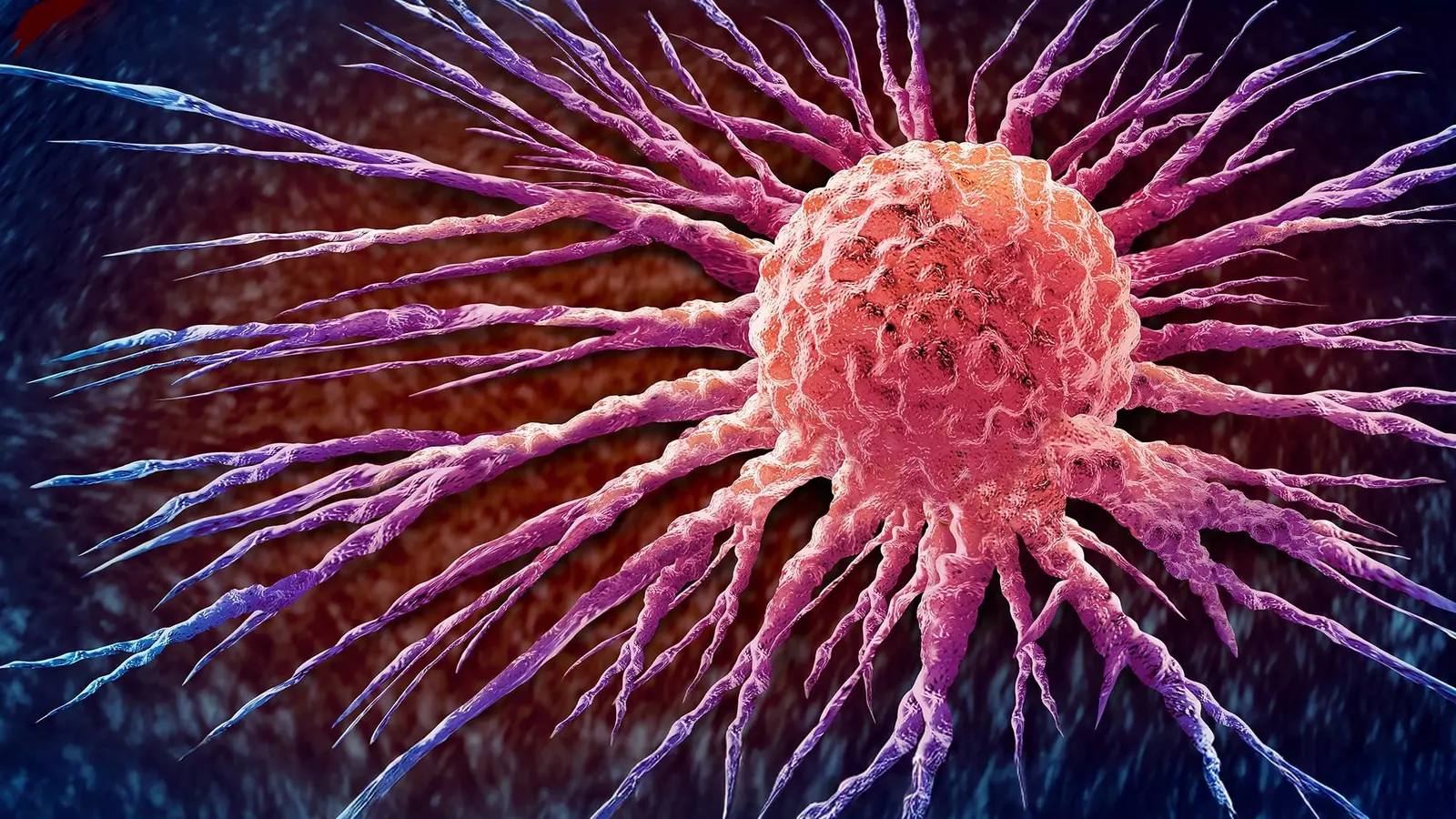
Images and captions from the original report remain associated with this story: a Shutterstock illustration of a bacterial molecule within a tumor, and portraits credited to Mattias Pettersson of the leading authors at Umeå University.









Leave a Comment
Comments (2)
is this even real? sounds promising but how does it avoid immune backlash in humans, or mutate? how selective is accumulation tho
Wait, cholera molecule fights tumors? Wild and kinda hopeful, but also nervous. mice arent humans, need long term safety tests, dosing, lots more...