
4 Minutes
Blood Clues: Detecting Parkinson's Before Symptoms
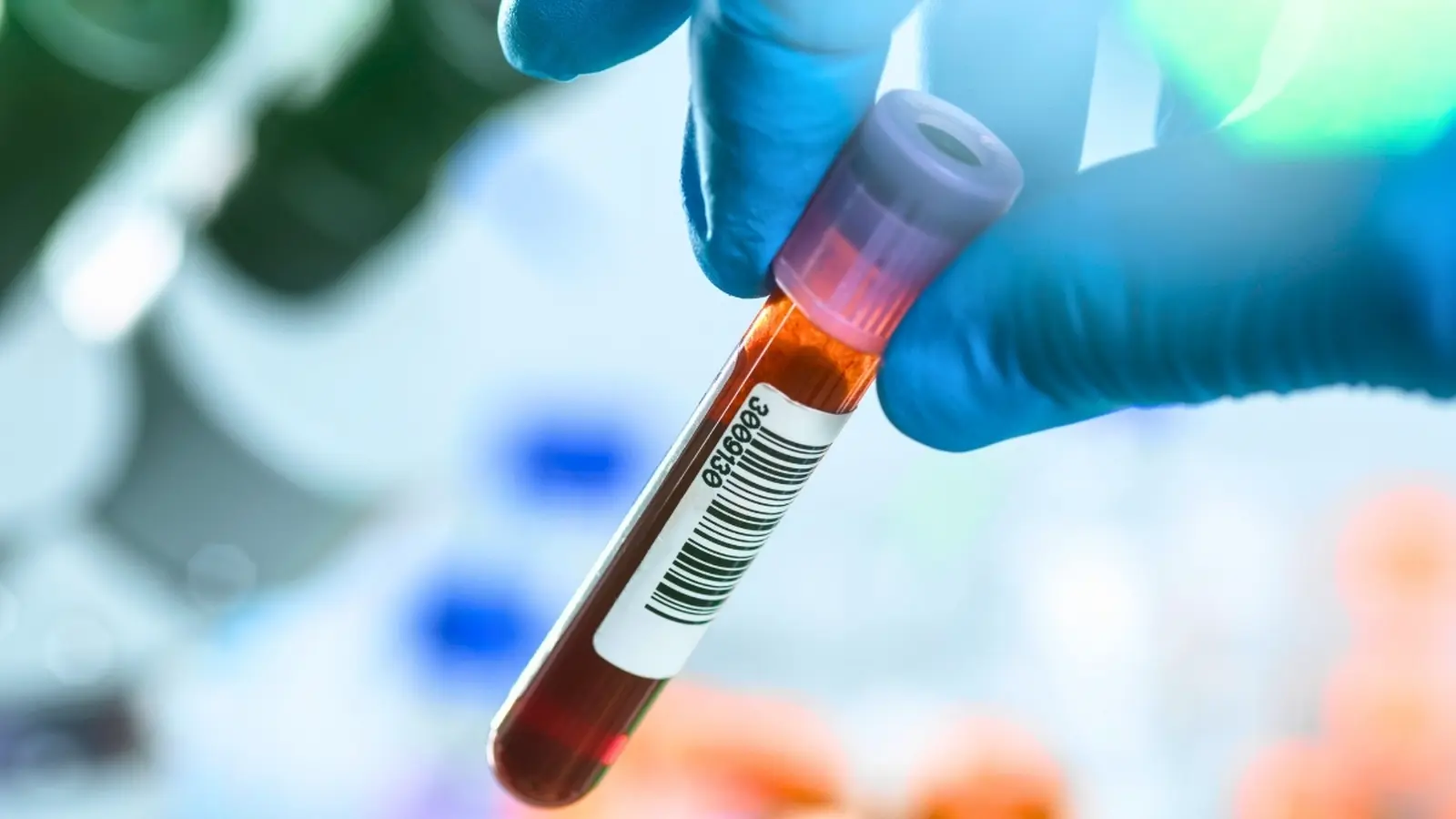
What if a routine blood draw could spot Parkinson's disease long before tremors or stiffness appear? New research from teams at Chalmers University of Technology in Sweden and the University of Oslo suggests this may be possible by looking at how blood cells handle DNA damage and cellular stress.
Early biology visible in blood
Researchers tracked gene activity in blood from three groups: healthy people, individuals with established Parkinson's disease, and a smaller cohort in the prodromal phase — when the disease is taking root but classic motor symptoms have not yet emerged. Over three years, they compared patterns in 188 healthy controls, 393 people with full Parkinson's, and 58 people in the prodromal stage. The differences were striking.
Genes involved in DNA repair and stress response lit up in the prodromal group. Those molecular signals produced measurable changes in circulating blood cells and, when combined, were able to distinguish prodromal cases from healthy controls with high accuracy — in some analyses reaching near 91 percent. Short version: the body's emergency response to early neuronal trouble appears in the bloodstream.
Intriguingly, the same stress-related signatures were largely absent in people with advanced Parkinson's. It's as if cells rally early, mount a defensive program, and then that alarm fades as the disease progresses. That pattern hints at a limited window in which intervention might be most effective.
.avif)
Why DNA repair and cell stress matter
Parkinson's is marked by the slow loss of dopamine-producing neurons, which eventually impairs movement, thinking and memory. Scientists have long suspected that reduced cellular resilience — the ability of neurons to manage oxidative stress and fix DNA damage — contributes to that neuronal decline. This study connects those cellular processes to detectable blood signatures, linking brain biology with an accessible peripheral test.

Measuring gene expression in blood gives researchers a practical readout of systemic responses that may mirror early brain pathology. Think of it as reading faint smoke signals from a distant fire. The fire is in the brain; the smoke can be sampled from a vein.
"These biomarkers appear to capture early disease biology and can be measured from routine blood samples," says Annikka Polster, a biostatistician at the University of Oslo. Her team emphasizes that blood-based screening could be both inexpensive and widely deployable compared with brain imaging or specialist neurological assessments.
Systems biologist Danish Anwer at Chalmers notes the clinical urgency. By the time movement symptoms show up, he explains, roughly half to four-fifths of the relevant brain cells may already be lost. Detecting disease at a prodromal stage opens the possibility of earlier therapeutic interventions — and perhaps a chance to slow or prevent further neuronal death.
From finding to test — the road ahead
Turning a research signal into a clinically available blood test will take work. The authors estimate it could be about five years before a validated diagnostic assay is ready for routine use, assuming further validation and regulatory steps go smoothly. That timeline depends on replicating results in larger, diverse populations and refining the algorithms that discriminate early disease from normal variation.
Even so, the potential advantages are clear. A blood test is quick, inexpensive, and scalable. It could be used for broad screening or to select candidates for preventative trials. Several other blood-based markers are also under development, so a multi-marker panel may ultimately provide the most reliable screen.
Expert Insight
"We often talk about treating disease, but the smarter target is to find it before it takes hold," says Dr. Mira Hayes, a neurologist and clinical researcher not involved in the study. "If blood biomarkers can flag risk years ahead, clinical trials could move from symptom management toward prevention. That would be a paradigm shift for Parkinson's care."

Coupling molecular screening with lifestyle and pharmacological strategies could, in time, reframe how we approach neurodegeneration. For now, these results offer a promising window: early biological changes that are measurable, interpretable, and potentially actionable. Keep an eye on validation studies — because the next decade may bring blood tests that change when and how Parkinson's is detected and treated.












Leave a Comment
Comments (2)
Sounds promising but is 91% real? Population size small, and what about false positives? Hope they sort diversity, bias etc.
Whoa, this gave me chills! If blood can flag Parkinsons early, thats huge. Still, need bigger studies, replication fast please...