
4 Minutes
Private crews have become a regular presence aboard the International Space Station, but 2026 will be the rare gap year. After four consecutive private astronaut missions from 2022 through 2025, NASA has awarded the fifth mission slot — once again — to Axiom Space, setting the next trip for early 2027.
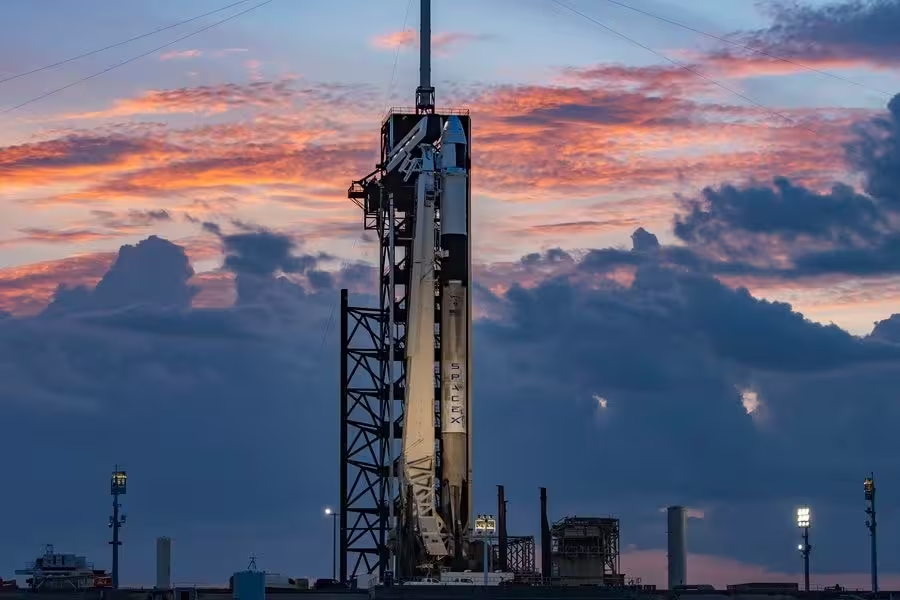
That streak of private missions began as an experiment in commercial access and has grown into a predictable cadence: Axiom flew the first four tours, carrying a total of 14 people who weren’t career astronauts yet conducted research and operations in low Earth orbit. The next flight, officially Axiom Mission 5 (Ax-5), will follow Axiom’s familiar script: four private crew members, a roughly two-week stay at the station, and a launch from Kennedy Space Center on an unannounced launch vehicle. Past missions used SpaceX’s Falcon 9 and Crew Dragon; history suggests the same pairing is likely, but NASA and Axiom have not confirmed either vehicle or crew identities yet.
.avif)
Two weeks in orbit places Ax-5 among the shorter private visits. For context: Ax-2 was the brief outlier at eight days, while Ax-1, Ax-3 and Ax-4 each hovered around the mid-to-high teens in days. Those durations matter. Short stays reduce logistical complexity and cost, but they also limit the breadth of experiments and time for crew acclimation — factors that private mission planners must balance when designing a flight’s objectives.
How these missions are bought and sold
One of the pragmatic realities behind private astronaut missions is an exchange of services between NASA and the private operator. On Ax-5, NASA will pay Axiom for the capacity to return scientific samples that need to stay cold during reentry and transit back to Earth — a capability that preserves biological integrity and data value. Axiom, in turn, purchases consumables, cargo delivery, storage and daily-use resources from NASA. Those purchases are functional: they underpin life-support logistics, sample handling and hardware stowage aboard the ISS. The dollar values are not public, but the arrangement is a practical way for an agency to leverage commercial partners while ensuring mission needs are met.

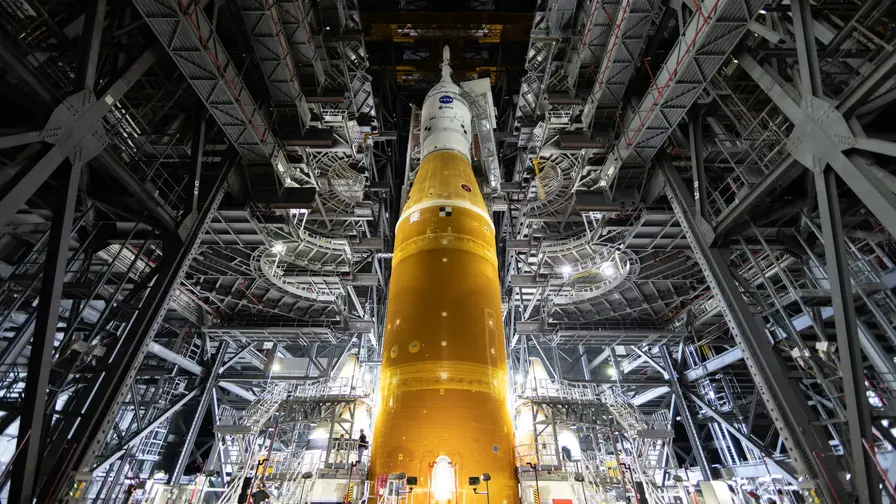
Why does NASA keep buying services from the same company? Experience matters. Axiom has built operational familiarity with ISS procedures, integration with station systems and the regulatory paperwork that smooths crewed flights. Repeat business reduces program risk — fewer unknowns, smoother handoffs, fewer surprises at launch and on orbit.
Where Axiom fits in the broader commercial trend
Axiom is not just a ferry operator. The company is among a handful racing to place a commercial space station into orbit before the ISS retires early next decade. Working with Thales Alenia Space, Axiom envisions an orbital complex composed of two habitation modules and a research and manufacturing module with an Earth-facing observatory. If timelines hold, the first elements could ride to orbit as soon as next year, although spacecraft manufacturing and flight certification timelines frequently slip.
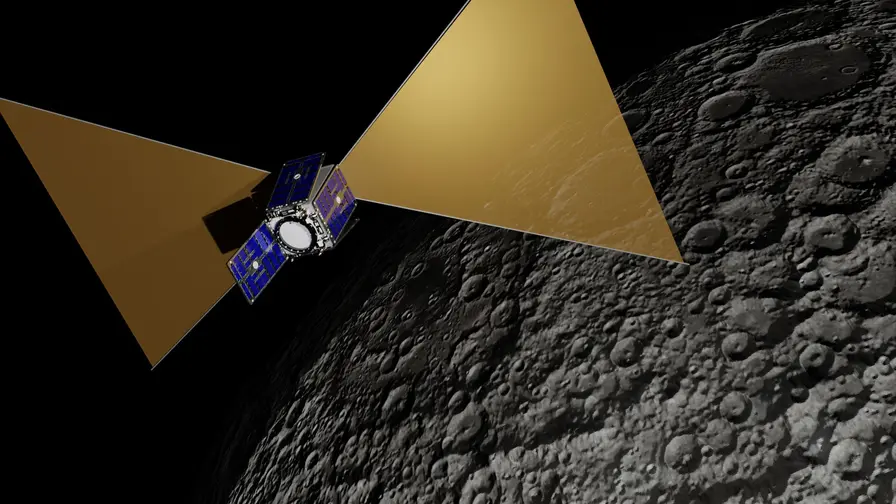
Beyond habitats, Axiom is developing the AxEMU — a lunar extravehicular mobility unit intended for Artemis III. That suit began as a Moon-walking system but later cleared for vacuum operations during spacewalks, expanding its potential use cases. Between on-orbit commercial habitats and lunar hardware, Axiom is positioning itself across multiple sectors of human spaceflight: transport, habitat operations and surface systems.
NASA’s slotting of Ax-5 leaves the sixth private astronaut mission open for a future decision. The agency has signaled that award details will follow soon, implying more competition or a diversification of operators as commercial access matures.
Expert Insight
“Repeat missions are proof of concept,” says Dr. Laura Mendel, a fictional systems engineer with two decades of human spaceflight experience. “When an operator flies multiple successful private crews, it lowers the institutional friction. That translates into more reliable timelines for scientific return and better-specified requirements for future commercial stations. The next challenge is turning repeat ferry missions into a resilient commercial ecosystem in orbit.”

With Ax-5 on the books, the industry-watchers will be looking for two outcomes: a smooth launch manifest and continued momentum toward a commercial successor to the ISS. Will private missions remain a NASA-facilitated bridge to a privatized orbital economy, or will we see more independent flights and operators? The coming year — and the launches that follow — will tell us which model gains traction in low Earth orbit.









Leave a Comment
Comments (2)
wow private crews are getting routine! excited but nervous about the 2026 gap, hope they dont slip 2027 launch, if that slips then...
So NASA keeps handing Axiom the slots? kinda feels like a comfy club. Is that good for innovation, or are we stuck? idk curious.