
5 Minutes
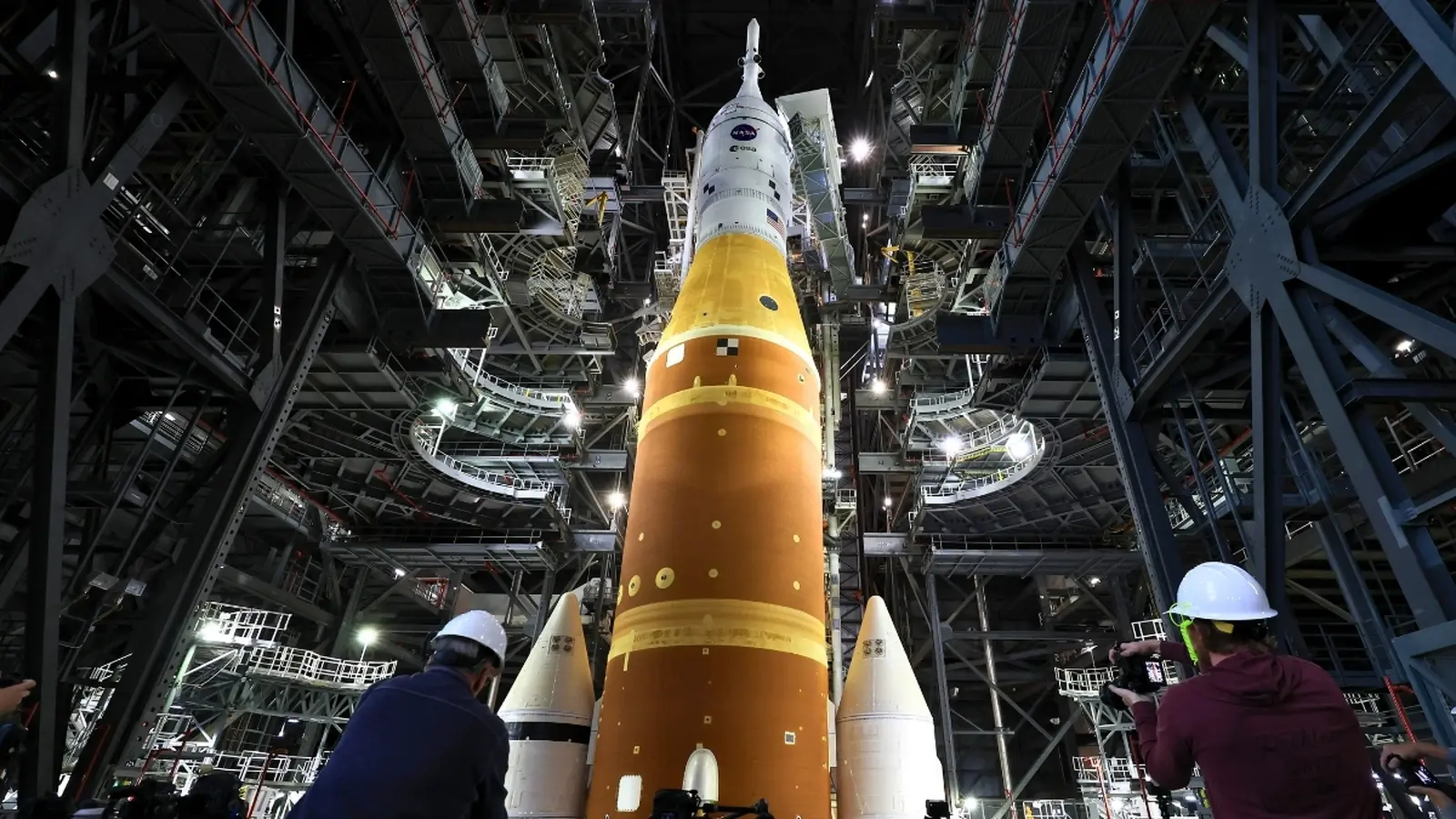
A routine fueling practice turned into a sobering reminder: even with decades of engineering and billions invested, rockets remain temperamental. Monday's countdown rehearsal for Artemis II at Kennedy Space Center ground to a halt when liquid hydrogen began seeping from connections between the Space Launch System and its fueling lines. The leak forced controllers to stop the clocks at T‑minus five minutes and to scrub the attempt, pushing the crewed mission into at least a March launch window.
NASA's John Honeycutt put it plainly: "Actually, this one caught us off guard." It was an unvarnished admission from the program's managers, and it echoed a problem that has dogged the SLS since its first, crewless flight. Hydrogen is a favored propellant for its efficiency. It is also a small, evasive molecule. When it escapes, safety margins evaporate fast.
What happened during the dress rehearsal
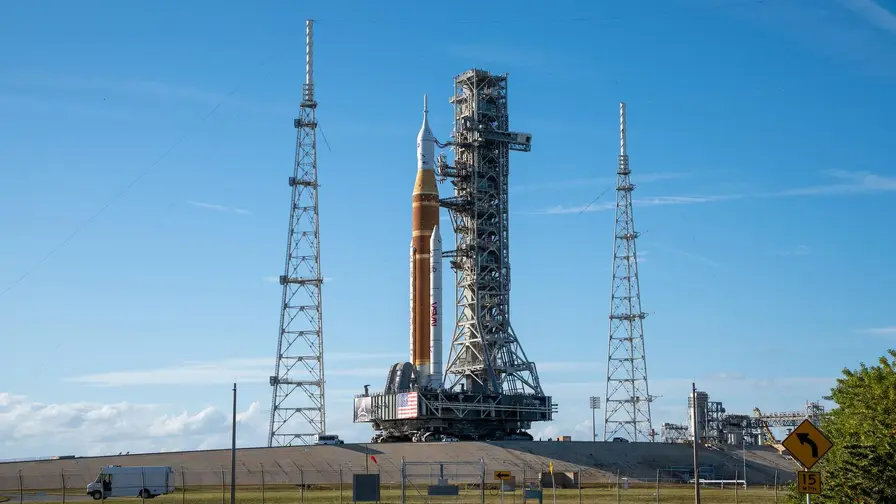
The operation began as a standard wet dress rehearsal: engineers load cryogenic propellants into the rocket, run through countdown procedures and validate ground support systems without committing to an actual launch. Early in the loading sequence, technicians detected leakage of liquid hydrogen, chilled to roughly minus 423°F (minus 253°C). Controllers paused and tried several mitigations — warming the joint between rocket and umbilical, cycling flows, and altering hydrogen feed patterns to reseat seals. The leaks recurred hours later, and safety restraints eventually required halting the test.
Leak rates exceeded predefined limits. The team had hoped to reach T‑minus 30 seconds during the rehearsal; they stopped at five minutes instead. Managers said repairs to seals or other affected components can probably be done on the pad. If work required returning the SLS to the Vehicle Assembly Building, delays would grow longer. In the meantime, the launch date was moved to at least March 6 to allow for another fueling test before committing four astronauts — commander Reid Wiseman, pilot Victor Glover, and mission specialists Jeremy Hansen and Christina Koch — to the flight.
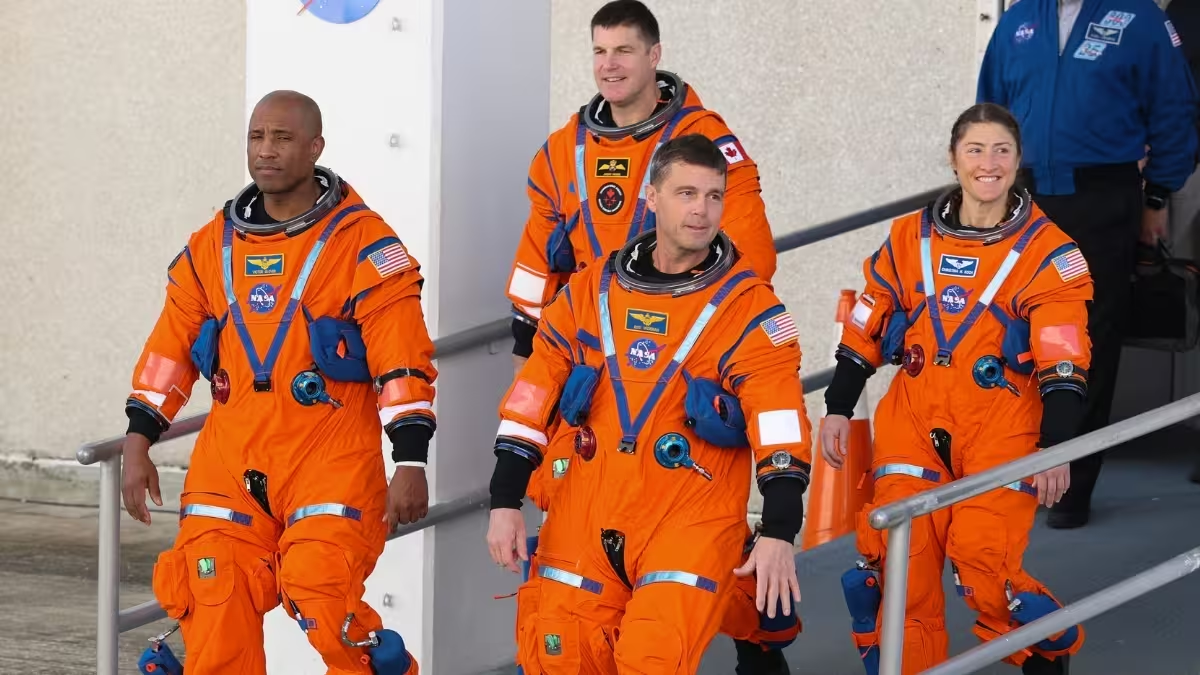
The Artemis II crew – (L-R) pilot Victor Glover, mission specialist Jeremy Hansen of the Canadian Space Agency, commander Reid Wiseman, and mission specialist Christina Koch.
Wiseman, speaking on social media after the scrub, praised the team: he said he was proud of how the dress rehearsal went, "especially knowing how challenging the scenario was for our launch team doing the dangerous and unforgiving work." The crew has been in quarantine in Houston; they were allowed to exit after the scrub and will reenter quarantine two weeks prior to the next attempt.
Why hydrogen is both an asset and a challenge
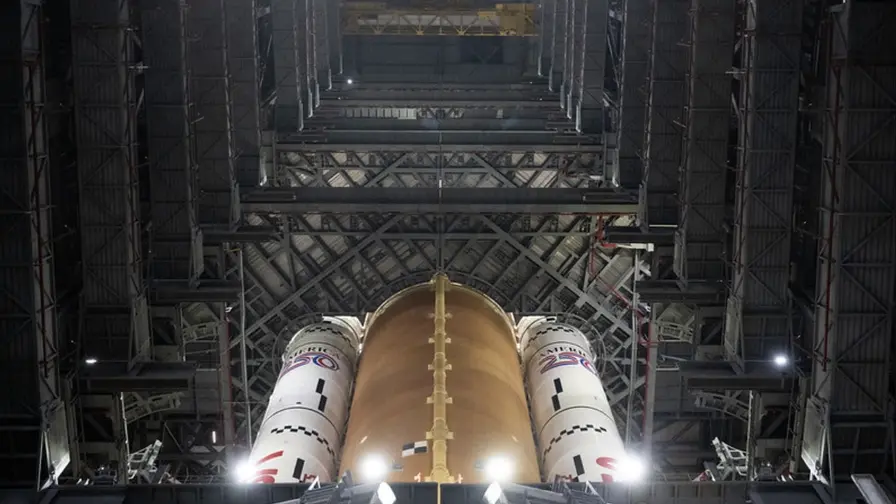
Liquid hydrogen offers high specific impulse, which makes it an efficient propellant for the core stage of heavy-lift rockets like SLS. But efficiency comes with complexity. Hydrogen molecules are tiny and can pass through microscopic defects in seals or valve seats that would stop denser fluids. And because the propellant is stored at cryogenic temperatures, materials contract and behave differently under load. That combination makes reliable seals difficult to guarantee across repeated cycles and extended ground holds.
Engineers have seen similar behavior before: the first SLS flight in 2022 experienced extended delays due to hydrogen leaks. On that occasion, a mix of procedural changes and on-pad fixes eventually allowed the rocket to fly without a crew. NASA leadership stresses that SLS remains an experimental, developmental vehicle. "We continue to learn with every test," said an agency official, underscoring that long intervals between fueling tests and crewed flights complicate troubleshooting and institutional memory.
Operational risk is the central concern. Hydrogen is highly flammable; any significant uncontrolled release around a fully fueled vehicle requires immediate action. That's why launch directors will not attempt another crewed launch until they can demonstrate repeatable, safe fueling operations.
Unlike Apollo-era missions, Artemis II will not attempt a lunar landing. The nearly 10-day flight will send the Orion spacecraft on a free-return trajectory around the Moon to exercise life-support systems, communications, radiation protection, and the vehicle's deep-space capabilities before a future landing campaign targets the lunar south pole and longer stays on the surface.
Expert Insight
Dr. Elena Morales, a fictional propulsion engineer with decades of cryogenics experience, offers a practical analogy: "Think of hydrogen like water in a cracked cup. You can patch the surface, but unless the underlying material behavior at extreme cold is addressed, leaks return under repeated loading. The goal is a robust design and verified ground procedures that prove resilience across many cycles." Her point: fixes can be incremental, but they must be verifiable.
Program managers face a constrained cadence. Launch windows for a lunar transfer are limited by orbital geometry and hardware readiness; missing one window can shift operations by weeks. Still, NASA's approach remains conservative. Safety takes precedence over schedules. The agency will run another fueling test and inspect seals and plumbing at the pad before committing to a crew launch attempt.
What does this mean for Artemis overall? The program is iterative. Each anomaly, each scrub, is data. Engineers catalog leak signatures, correlate them with temperature profiles and mechanical tolerances, and then refine seals, procedures, or both. The end goal doesn't change: return humans to the Moon and build a sustainable presence there, starting with missions that stretch our ability to live and work beyond low Earth orbit.
The next fueling test will be closely watched. If controllers can demonstrate repeatable, controlled fueling without exceedances, Artemis II will proceed. If not, teams will take the time necessary to fix hardware or update procedures. Either way, the pause is a reminder that exploration rarely follows a straight line. It wiggles, it stalls, and then — eventually — it moves forward again.










Leave a Comment
Comments (2)
is this even fixed by patching? seems like a design issue, not just bad luck. if they rush, thats worrying
wow that hydrogen leak is wild, decades of tech and billions but still so temperamental. Yikes, hope crew stays safe…