
3 Minutes
Imagine hearing a whisper inside one of the most secure laboratories ever built — a sound so small it can be measured in pounds of air per day. For the International Space Station, that whisper has been a stubborn, persistent problem for years.
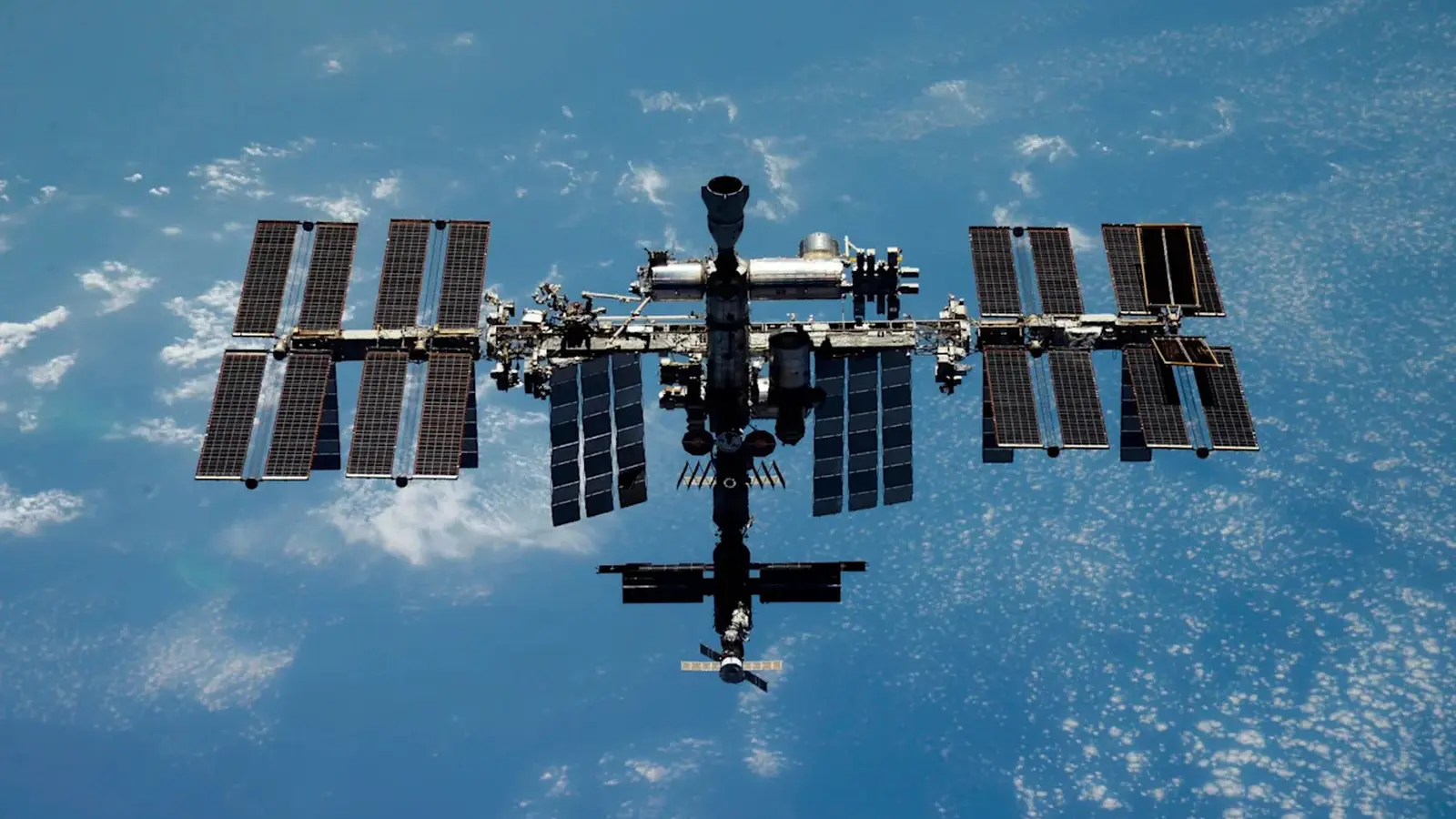
The trouble sits in the PrK transfer tunnel within Russia's Zvezda service module. Cracks first registered as tiny atmosphere losses back in 2019. Engineers tried a variety of fixes: temporary sealants, targeted patches, repeated monitoring. Each measure bought time. But it never quite stopped the leak.
Then, in the week of June 1, routine operations with the Progress 95 cargo ship revealed something more worrying. Roscosmos engineers detected an uptick in the leak rate — roughly two pounds of air escaping per day — and spotted additional suspect zones inside the PrK. That spike turned what had been an annoying slowly bleeding problem into a more urgent engineering puzzle.
Roscosmos proposed a hands-on inspection: cut a mounting bracket to reach a likely source. Simple on paper. Risky in reality. Any structural work in a cramped, pressurized tunnel can ripple stress to nearby fittings and seals. NASA, watching the plan, chose prudence. Safety procedures were raised. Astronauts were asked to take shelter.

So the crew did what crews do: they followed the plan. The four members of SpaceX Crew-12 — along with NASA astronaut Chris Williams, who arrived on Soyuz MS-28 — moved into the Dragon spacecraft and entered a temporary safe haven posture while teams assessed the proposed repair. A sensible pause. A rehearsed move. Calm under pressure.
But that morning's planned cut did not happen. Roscosmos halted the structural intervention and called for more data. Engineers shifted to a slower, reconnaissance-style approach: inspect the newly flagged areas, re-examine existing sealant work, and model the risks in greater detail. NASA supported the decision. Better to gather more information than to force a fix that could create new problems.
Once the immediate assessments were underway, the crew stepped back out of the Dragon and returned to normal station operations. The station is functioning. The atmosphere remains stable. But the pause, and the choreography around it, show how fragile and complex life in orbit can be. Fixing a leak in microgravity isn't just about tape and glue; it's about international coordination, surgical access, and long patience.
What happens next is not a single patched hole but a collaborative engineering effort. NASA, Roscosmos and other partners will continue inspecting, testing, and debating the safest path forward. Small cracks can teach big lessons about redundancy, maintenance, and the engineering margins that keep humans aloft.
In space, even a tiny escape of air forces engineers and crews to slow down, think harder, and invent better — a humbling reminder that staying up there is a delicate craft.


Leave a Comment
Comments
No comments yet. Be the first.