
3 Minutes
Imagine a garden where seeds lie buried for years, unseen and harmless—until a late frost or a new fertilizer lets them sprout. That image helps explain a provocative idea from researchers in London: some of the maladies that appear suddenly in old age may actually be the grown-up consequences of insults suffered long before.
David Gems, Alexander Carver and Yuan Zhao lay out a two-stage way of thinking about aging and disease. Stage one is familiar but often overlooked: infections, injuries, somatic mutations and other blows that the body mostly contains. Stage two creeps in much later, when normal biological programs shift and the physiological environment changes. What once held those early wounds in check begins to fail. Dormant problems awaken. New vulnerabilities form.
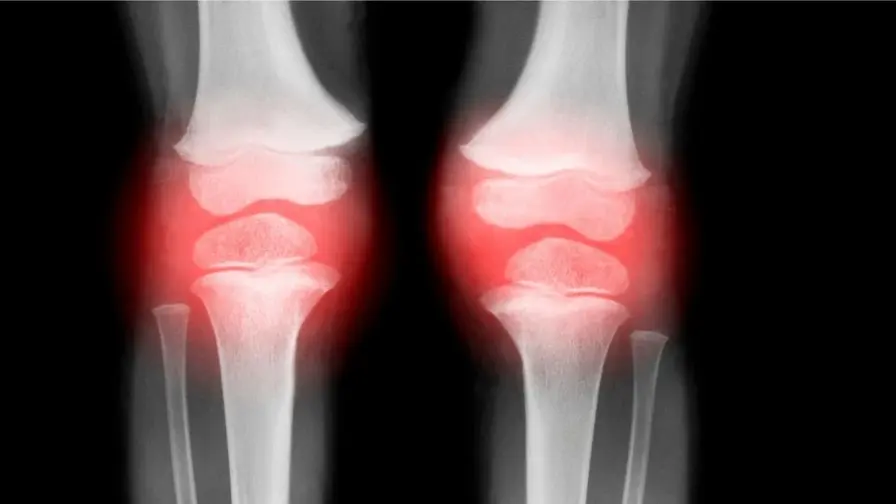
Short, sharp realities make the idea stick. Got chickenpox as a kid? The same virus can lurk quietly in nerve cells and then flare as shingles when immune vigilance wanes. Suffered a joint injury in your twenties? Decades later, that scarred cartilage can become the focal point of osteoarthritis as tissue maintenance declines. Inherited mutations that do little when you are young may, in the altered late-life milieu, tip a cell toward cancer or fibrosis.

Aging, the review argues, unlocks long-hidden damage—turning past insults into present disease.
There’s evolutionary logic behind this view. Natural selection is relentless when bodies are reproducing and competing. It eases off later in life, meaning genes or processes that are helpful early on can have stealthy, harmful effects at old age. This helps tie the two-stage scheme to classic evolutionary theories like antagonistic pleiotropy and mutation accumulation, offering a bridge between molecular observations and population-level patterns of disease.
The authors also point to work in model organisms that crystalizes the idea. In roundworms, mechanical damage sustained early can seed infections that are fatal only after the animals age. The parallels aren’t perfect—humans are more complex—but the principle is clear: time changes the host environment, and those changes can let old injuries become new catastrophes.
What does this mean for medicine and prevention? First, it reframes how we think about lifetime health. Prevention isn’t only about avoiding acute harm; it’s about recognizing that some damage accumulates quietly and may only matter later if the body’s containment systems falter. Second, interventions could target either stage: better early repair and infection control, or therapies that maintain late-life containment—immune resilience, tissue maintenance pathways, or the specific gene programs that flip harmful in old age.
This perspective also nudges research priorities. Instead of searching for a single, universal “aging molecule,” scientists might map the specific early insults most likely to seed late-life disease and the late-life processes that let those seeds grow. Vaccines that stop latent viruses, improved treatments for traumatic injuries, and drugs that stabilize late-life cellular programs could all be parts of a combined strategy.
There’s a moral in this science-story: aging is partly a tale of old business coming due. We can no longer treat youth and old age as isolated chapters. The ledger runs across a lifetime, and the entries we ignore early on can return with interest decades later.
Researchers may now have a sharper frame for why cancer, arthritis, infections and other conditions cluster in later years—an explanatory lens that invites novel prevention and treatment experiments. The challenge is to translate that lens into concrete actions so those buried seeds never get the chance to sprout.






Leave a Comment
Comments
No comments yet. Be the first.